
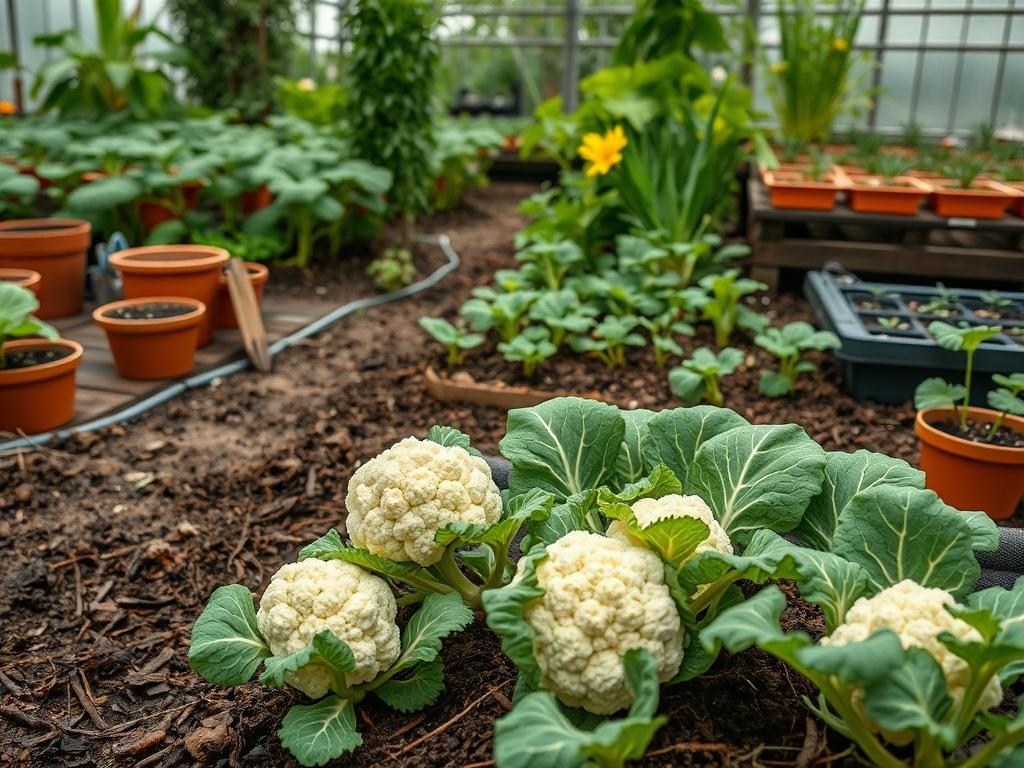
Integrating edible components into a high-end residential landscape requires a balance between aesthetic symmetry and functional yield. The challenge often lies in the transition between formal hardscaping and the organic, sometimes unruly nature of a vegetable garden. When we design these spaces, we look at cauliflower not merely as a crop, but as a textural focal point that contributes to the overall curb appeal during the cooler months. Achieving the perfect harvest, specifically picking cauliflower curds while they are still tight, is the final stage of a successful landscape management plan. If the timing is missed, the visual structure of the plant degrades, leading to a sprawling, unkempt appearance that detracts from the outdoor environment. Proper garden planning ensures that these plants are situated in microclimates that promote slow, steady growth, which is essential for maintaining that dense, ivory-like architectural form known as the curd.
Professional landscape architecture prioritizes the relationship between soil health and plant physiology. For cauliflower, this means managing the transition from the vegetative state to the reproductive state with precision. Our goal as consultants is to maximize the functional utility of the garden without sacrificing the clean lines of the design. A loose, opening cauliflower head signals a failure in stress management, often caused by fluctuations in irrigation or temperature. By implementing rigorous site preparation, including the use of Organic Compost and Soil Thermometers, we create a stabilized environment. This allows the curator of the garden to wait for the optimal moment of harvest. The curd should be firm, compact, and encased in its protective wrapper leaves. This stage represents the peak of both flavor and aesthetic value, serving as a testament to the quality of the surrounding landscape design and maintenance regime.
Landscape Design Principles
In any sophisticated outdoor environment, symmetry and order provide a sense of calm and luxury. When incorporating cauliflower into a landscape, we utilize grid patterns or staggered rows to create visual rhythm. These plants function as mid-elevation layers, bridging the gap between low-growing groundcovers like Thyme and taller structural elements like Boxwood hedges. We often place cauliflower in raised masonry beds to ensure proper drainage while elevating the plants to a comfortable height for monitoring the curds. This elevation is not just an aesthetic choice; it allows the landscape manager to inspect the Brassica heads without bending, ensuring that the harvest occurs the moment the curds reach their ideal 6-inch diameter.
Irrigation planning is another pillar of professional garden design. For cauliflower to maintain a tight curd, it requires consistent moisture without saturation. We typically install a Drip Irrigation System with pressure-compensating emitters to deliver water directly to the root zone, avoiding the foliage. Overhead watering can lead to fungal issues or debris collecting in the curd, which ruins the pristine look of the white florets. Furthermore, the use of walkways made from Flagstone or Decomposed Granite ensures that the soil near the plants remains uncompacted. Soil compaction is a leading cause of stunted growth, which often results in premature bolting and loose, “ricey” curds that lack the density required for professional-grade presentation.
Plant and Material Selection
Selecting the right cultivars and supporting materials is critical for a landscape that looks as good as it tastes. The following table outlines the specifications for a successful integration.
| Plant Type | Sun Exposure | Soil Needs | Water Demand | Growth Speed | Maintenance Level |
| :— | :— | :— | :— | :— | :— |
| Snowball Cauliflower | Full Sun | Loamy, High Nitrogen | High | Moderate | High |
| Graffiti (Purple) | Full Sun | pH 6.5 to 7.0 | High | Slow | Moderate |
| Cheddar (Orange) | Full Sun | Well-drained | Moderate | Moderate | Moderate |
| Straw Mulch | N/A | Moisture Retention | N/A | N/A | Low |
| Blanching Clips | N/A | N/A | N/A | N/A | Moderate |
Implementation Strategy
The process begins with precise site grading. Cauliflower requires a perfectly leveled or slightly sloped surface to prevent the pooling of water at the base of the stem. During the layout phase, we mark the positions using Landscaping Pins and String Lines to ensure perfectly straight rows. Each plant should be spaced 18 to 24 inches apart. This spacing is vital; it allows for adequate airflow, which prevents the humidity traps that lead to curd rot. Once the positions are marked, we amend the soil with Blood Meal and Well-rotted Manure to provide the high nitrogen levels required for vigorous leaf production.
As the plant matures, the transformation from foliage to curd must be monitored daily. To keep the curds white and tight, a process called blanching is employed. When the curd is about the size of a Golf Ball, we gather the surrounding large outer leaves and secure them over the head with Twine or Blanching clips. This protects the curd from sun exposure, which can cause yellowing and heat stress. A heat-stressed curd will begin to separate, losing its aesthetic geometry. By shielding the head, we maintain a cooler microclimate specifically for the developing florets. We also apply a 3-inch layer of Hardwood Mulch or straw around the base of the plants to regulate soil temperature and suppress weeds that compete for nutrients.
Common Landscaping Failures
One of the most frequent mistakes in edible landscaping is improper drainage management. Cauliflower “hates wet feet,” and sitting in stagnant water will lead to root hypoxia. This manifests as stunted, discolored foliage and small, loose curds that never reach their full potential. If your site has heavy clay, we recommend the installation of a French Drain or the construction of heavily amended raised beds to bypass the drainage issue. Another failure involves root overcrowding. If plants are placed too close together to achieve a “fuller” look quickly, they will compete for the same nutrient pool. The result is a row of undersized plants where the curds open up almost as soon as they appear because the plant lacks the energy to sustain a dense structure.
Irrigation inefficiencies also take a toll. Inconsistent watering cycles cause the plant to enter a survival mode. During dry spells, the curd may begin to “rice,” which is when individual flower buds start to develop prematurely. This creates a fuzzy, loose texture that is undesirable for both culinary and ornamental use. Finally, soil compaction from heavy foot traffic or lack of aeration prevents the deep root penetration necessary for large, tight heads. We advise using Aeration Shoes or a Broadfork in the early stages of garden preparation to ensure the soil remains porous and oxygenated throughout the growing season.
Seasonal Maintenance
Seasonal management is the key to longevity in any outdoor environment. In the spring, the focus is on establishing the vegetative structure. We apply a High-Nitrogen Fertilizer every three weeks to ensure the leaves grow large enough to eventually protect the curd. As we transition into early summer, monitoring for the “buttoning” of heads is crucial. If the weather warms too quickly, the plants may produce tiny, loose curds. At this stage, increasing the frequency of the Drip Irrigation cycles and applying a light-colored mulch can help reflect heat and keep the root zone cool.
During autumn, the second harvest window often produces the most beautiful curds due to the cooling temperatures. This is when the tightest heads are formed. Maintenance involves removing any yellowing lower leaves with Pruning Shears to improve airflow. In the winter months, if plants are still in the ground, we utilize Frost Blankets to protect the developing curds from ice damage. Once the harvest is complete, the remaining plant matter is removed and composted to prevent the buildup of soil-borne pathogens. The beds are then top-dressed with Leaf Mold to prepare for the subsequent planting cycle.
Professional Landscaping FAQ
How do I know the curd is ready to pick?
The curd is ready when it reaches 6 to 8 inches across while remaining compact. The surface should be smooth and firm to the touch. If the florets begin to separate and show gaps, harvest immediately to prevent further loss of quality.
What causes cauliflower curds to turn yellow?
Yellowing is caused by exposure to direct sunlight. This occurs when the outer leaves are not properly tied or tucked over the developing head. Use Blanching Tape or Rubber bands to secure the leaves and maintain the pristine white appearance.
Can I fix a curd that has already started to separate?
Once a curd begins to separate or “rice,” the process cannot be reversed. This indicates the plant has passed its peak. You should harvest it immediately. While still edible, the texture will be less dense and the visual appeal will diminish.
Why are the heads on my plants so small?
Small heads, or “buttoning,” usually result from transplant shock, nitrogen deficiency, or extreme temperature fluctuations. To avoid this, ensure consistent moisture and use a Starter Fertilizer when first placing your Transplants into the landscape beds.
What tool is best for harvesting cauliflower?
Use a sharp Garden Knife or Pruning Saw. Cut the main stem several inches below the head. It is helpful to keep a few of the surrounding green wrapper leaves attached to the curd to help protect it from bruising during transport.