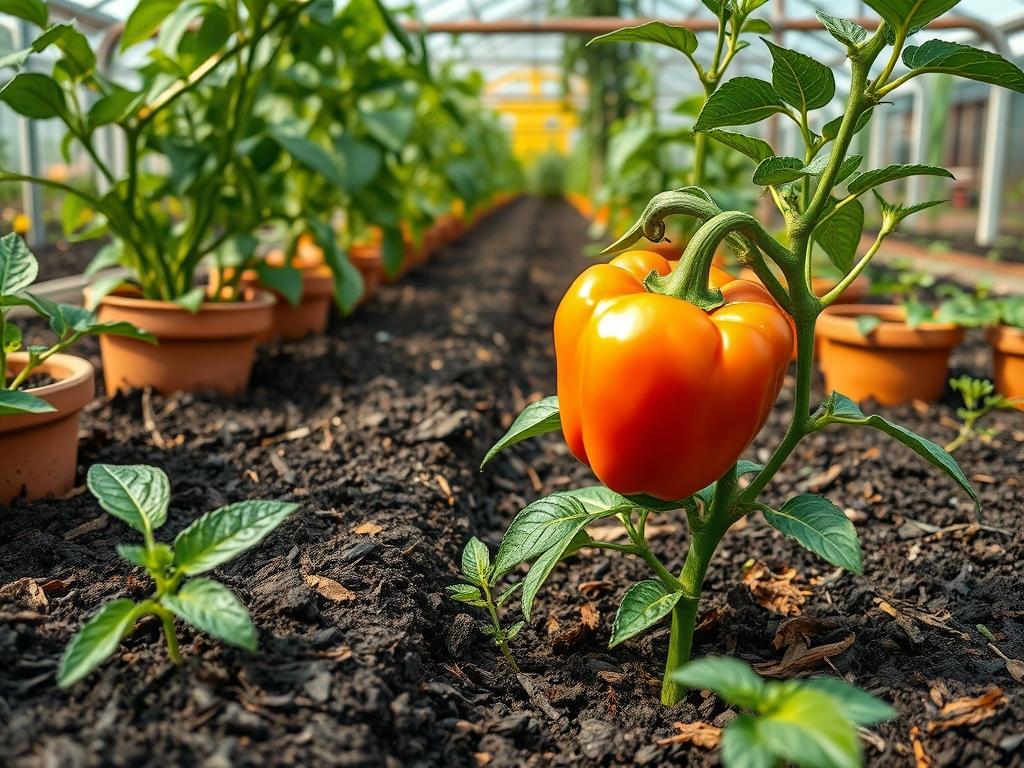
Integrating edible elements into a high-end landscape requires a sophisticated balance between aesthetic form and biological function. For the modern homeowner, the kitchen garden, or potager, serves as a focal point that bridges the gap between structured hardscaping and the wilder textures of the natural environment. One of the most rewarding components of this design is the inclusion of the Bell Pepper, a plant that provides both architectural foliage and vibrant, jewel-toned fruit. However, the successful execution of an edible landscape harvest depends heavily on the timing of Bell Pepper Ripening. Achieving peak horticultural quality is not merely about picking the fruit when it looks large enough; it is a meticulous process of monitoring physiological maturity within the context of the larger garden ecosystem. When we design these spaces, we consider the pepper not just as a vegetable, but as a seasonal color gradient that shifts from deep emerald to fiery scarlet, sunset orange, or bright canary yellow.
Understanding the mechanics of Bell Pepper Ripening involves observing several distinct physical indicators. The transition usually begins at the distal end of the fruit and moves upward toward the stem. A professional landscape consultant looks for a specific glossiness on the skin, as a dulling of the cuticle can sometimes indicate over-ripeness or dehydration. The fruit should feel heavy for its size, indicating a high water content and thick internal walls. If you harvest too early, the fruit remains in its green stage, which offers a grassy, pungent flavor. While perfectly edible, allowing the ripening process to conclude on the vine maximizes the sugar content and nutritional density, particularly Vitamin C. In a meticulously planned backyard environment, the timing of this harvest must be synchronized with the local microclimate, as descending autumn temperatures can halt the ripening process abruptly, often requiring the use of row covers or cold frames to extend the season.
Landscape Design Principles
In the realm of landscape architecture, the placement of edible crops follows the same rigorous rules as ornamental shrubbery. Symmetry is the foundation of a formal potager. By positioning Bell Peppers in mirrored raised beds, we create a sense of order and intentionality that prevents the vegetable garden from appearing cluttered. We often use the peppers as mid-level elevation layers, situated between low-growing groundcovers like Creeping Thyme and taller vertical elements such as trellised cucumbers or espaliered fruit trees. This layering ensures that every plant receives optimal sunlight while creating a visual tapestry of varying heights.
Focal points are essential for directing the eye across the landscape. A cluster of vibrant, ripening peppers can act as a natural highlight, drawing attention to a specific corner of the patio or a transition point in a walkway. Irrigation planning is equally critical; peppers require consistent moisture to prevent blossom end rot, a common physiological disorder caused by calcium deficiency and uneven watering. We integrate drip irrigation systems with automated timers to ensure the root zones remain hydrated without wetting the foliage, which can lead to fungal pathogens. The visual balance is maintained by surrounding the pepper plants with fine-textured companion species, which softens the bold, broad leaves of the Capsicum genus and provides a professional finish to the garden bed.
Plant and Material Selection
Selecting the right cultivars and supporting materials is the first step toward a successful edible landscape. The following table outlines the requirements for a diverse, productive garden environment.
| Plant Type | Sun Exposure | Soil Needs | Water Demand | Growth Speed | Maintenance Level |
| :— | :— | :— | :— | :— | :— |
| Bell Pepper | Full Sun | Rich Loam | High | Moderate | Medium |
| French Marigold | Full Sun | Well-drained | Moderate | Fast | Low |
| English Lavender | Full Sun | Sandy/Alkaline | Low | Slow | Low |
| Swiss Chard | Partial/Full | Composted Soil | Moderate | Fast | Medium |
| Dwarf Boxwood | Full/Partial | Well-drained | Moderate | Slow | High |
To support these plants, we utilize high-quality materials such as cedar timber for raised beds and decomposed granite for the surrounding walkways. Nutrient-rich mulch, specifically shredded hardwood, is used to regulate soil temperature and suppress weeds, ensuring the peppers have a stable environment to complete their ripening cycle.
Implementation Strategy
The transition from a design concept to a functional backyard layout requires a phased implementation strategy. First, site grading must be addressed. We ensure the area is leveled or slightly sloped away from the home foundation to prevent water pooling. Once the grade is established, we mark the boundaries for hardscaping elements like retaining walls and stone paths. These structures provide the permanent bones of the garden.
The next step is the installation of the raised beds. We recommend a height of 18 inches to allow for deep root penetration and to reduce the physical strain of maintenance. Into these beds, we incorporate a soil blend consisting of 60 percent topsoil, 30 percent organic compost, and 10 percent perlite for aeration. When planting the pepper seedlings, we space them exactly 18 to 24 inches apart to ensure adequate airflow, which is a key factor in preventing the humidity-related diseases that can ruin Bell Pepper Ripening.
After planting, a 3-inch layer of organic mulch is applied, keeping the material a few inches away from the stems to prevent rot. We also install individual plant stakes or small tomato cages early in the season. As the peppers grow and begin to fruit, the weight of the ripening produce can easily snap a brittle stem, making structural support a non-negotiable part of the landscape implementation.
Common Landscaping Failures
One of the most frequent mistakes in backyard garden planning is poor drainage. If the soil remains saturated, the roots of the pepper plants will suffocate, leading to yellowing leaves and stunted fruit development. Another common failure is root overcrowding. While it is tempting to pack plants tightly for an immediate full look, this creates competition for nutrients and limits the size of the harvest.
Improper spacing also impedes sunlight penetration. If the lower canopy of the pepper plant is shaded by aggressive neighbors, the Bell Pepper Ripening process will be uneven and sluggish. Soil compaction is another silent killer in the landscape. Walking directly on the planting beds compresses the pore spaces in the soil, preventing oxygen and water from reaching the root zone. To avoid this, we design gardens with clear flagstone paths so that maintenance can be performed without stepping into the growing areas. Finally, irrigation inefficiencies, such as overhead sprinkling during the heat of the day, can lead to significant water loss through evaporation and an increase in foliage diseases.
Seasonal Maintenance
Landscape management is a year-round commitment that changes with the sun’s trajectory. In the spring, the focus is on soil preparation and the installation of young plants after the final frost has passed. We apply a balanced 10-10-10 fertilizer to encourage leafy growth and strong root systems.
Summer is the peak period for monitoring Bell Pepper Ripening. This involves daily checks for pests like aphids or pepper maggots and ensuring the drip lines are functioning correctly. During heatwaves, we may utilize 30 percent shade cloth to protect the fruit from sunscald, which manifests as white, leathery patches on the skin.
Autumn is the harvest season. As the peppers reach their full color profile, use sharp pruning shears to snip the stems rather than pulling the fruit, which can damage the plant. Once the first frost is predicted, the remaining peppers should be harvested, even if they are still green. In the winter, the focus shifts to hardscape maintenance and soil restoration. We move compost piles, clean our garden tools, and perhaps plant a cover crop like winter rye to protect the soil structure until the next growing season begins.
Professional Landscaping FAQ
How do I know the absolute best time to harvest my peppers?
Check for full color saturation and a firm, glossy skin texture. The fruit should resist light pressure and feel heavy. If the pepper feels soft or has shriveled skin, it has likely passed its peak ripeness on the vine.
Can Bell Peppers ripen after being picked from the plant?
Yes, they can continue to change color if kept in a warm area indoors, but the flavor and sugar development are superior when allowed to ripen fully on the plant. Professional growers prefer vine-ripening for the highest culinary quality and aesthetic appeal.
Why are my peppers staying green for so long?
Ripening requires consistent temperatures between 70 and 85 degrees Fahrenheit. If the nights are too cool or the days are too hot, the plant may stall. Ensure the plant has adequate phosphorus and potassium to support the metabolic transition from green to color.
What is the best mulch for a pepper-focused garden bed?
We recommend pine bark fines or leaf mold. These organic materials break down slowly, adding humus to the soil while providing an effective barrier against moisture evaporation. Avoid using dyed mulches, which may contain chemicals unsuitable for a food-producing environment.
How does drainage affect the final color of the fruit?
Poor drainage causes physiological stress, which often results in smaller fruit and uneven pigment distribution. Efficient subsurface drainage ensures that the plant can transport the necessary minerals required to synthesize the carotenoids and anthocyanins responsible for the vibrant red and yellow hues.