
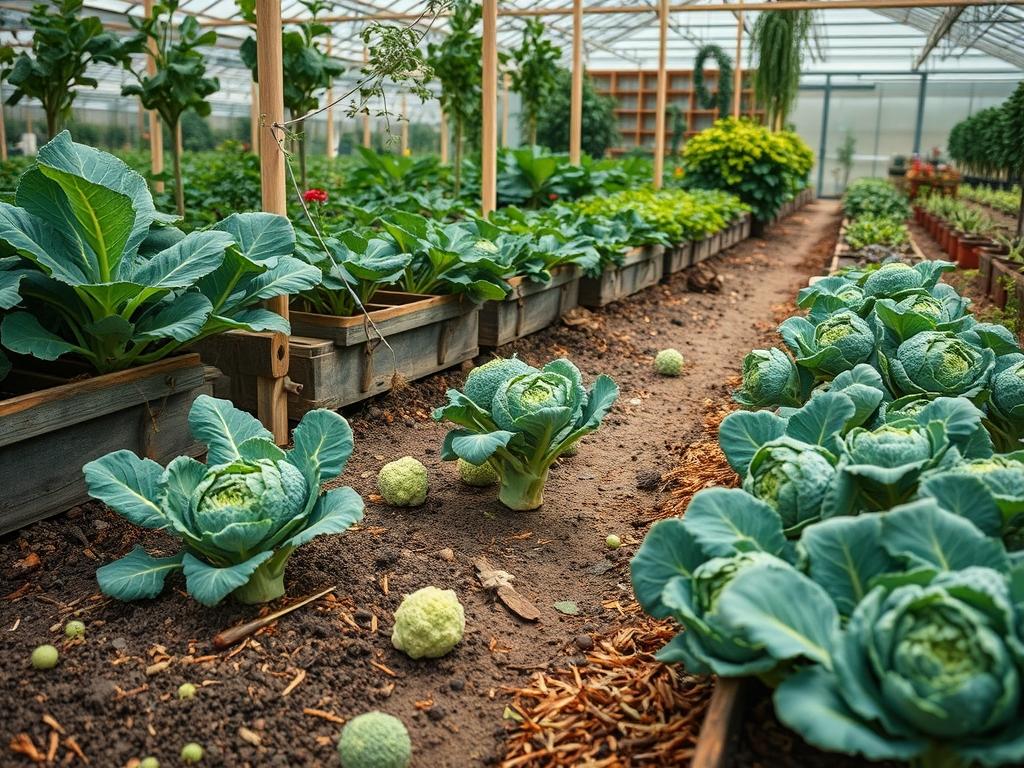
Integrating edible crops into a sophisticated residential landscape requires a balance of aesthetic intention and horticultural precision. While traditional garden planning often segregates vegetables to hidden corners of the property, modern landscape architecture embraces the concept of foodscaping. This approach utilizes the structural form of plants like Brassica oleracea to enhance curb appeal while serving a functional purpose. Harvesting broccoli heads is the culmination of a careful design process that accounts for climate fluctuations, soil chemistry, and the visual rhythm of the outdoor environment. In regions with temperate springs and crisp autumns, the waxy, blue-green foliage of the broccoli plant provides a unique texture that contrasts beautifully against traditional ornamentals like Boxwood or Lavender. Successful integration depends on understanding that these plants are not just food; they are seasonal anchors in a well-ordered garden layout.
The primary landscaping challenge when incorporating broccoli lies in its lifecycle. Because it is a cool-season crop, the landscape architect must plan for the transition periods when the plants are removed or replaced. Designing with a focus on permanent hardscaping, such as flagstone paths or brick edging, ensures that the garden maintains its structure even after the harvesting of broccoli heads is complete. Furthermore, the functional goal of any high-end landscape is to balance beauty with utility. By placing broccoli in elevated cedar raised beds or as a mid-layer in a tiered border, the designer creates a sense of bounty that feels purposeful rather than accidental. This strategy addresses the outdoor functionality by ensuring irrigation systems reach the heavy-feeding roots without causing erosion or drainage issues across the rest of the property.
Landscape Design Principles
In the realm of professional outdoor planning, symmetry and layering serve as the foundation for a cohesive aesthetic. When positioning broccoli within a planting plan, it should be treated as a textural mid-layer. Its broad, upright leaves provide a solid mass that can hide the “leggy” stems of taller plants behind it or act as a backdrop for shorter annuals. Symmetry is often achieved by mirroring broccoli groupings across a central walkway or using them as corners in a geometric parterre. These focal points draw the eye through the garden, creating a sense of movement and order.
Elevation layers are equally critical. Using retaining walls or sloped transitions allows the architect to manage soil depth and drainage effectively. Broccoli requires deep, nutrient-rich soil to develop large, dense heads. By planning for varying elevations, the designer can ensure that the broccoli receives optimal sun exposure while the lower, moisture-loving groundcovers stay protected in the shadows. Visual balance is maintained by grouping plants with similar water demands, a practice known as hydro-zoning. This professional standard ensures that your automated drip irrigation system operates efficiently, delivering the precise 1 to 2 inches of water per week needed for the main head to develop without over-saturating neighboring drought-tolerant species.
Plant and Material Selection
| Plant Type | Sun Exposure | Soil Needs | Water Demand | Growth Speed | Maintenance Level |
| :— | :— | :— | :— | :— | :— |
| Calabrese Broccoli | Full Sun | Rich Loam | High | Moderate | Medium |
| Romanesco | Full Sun | Well-drained | Moderate | Slow | High |
| Purple Sprouting | Partial Sun | Neutral pH | High | Fast | Low |
| Lacinato Kale | Full Sun | Sandy Loam | Moderate | Fast | Low |
| Sweet Alyssum | Full Sun | Any | Low | Fast | Minimal |
Implementation Strategy
The execution of a vegetable-integrated landscape starts with rigorous site preparation. Grading is the first priority; the land must be leveled or sloped away from the home’s foundation to prevent water pooling. For a backyard layout focusing on harvesting broccoli heads, I recommend a structured grid pattern. Begin by installing permanent edging made of corten steel or limestone blocks to define the growing zones. This prevents the lawn’s turfgrass from encroaching on the specialized soil mixes required for high-yield crops.
Once the perimeter is set, the soil should be amended with organic compost to a depth of at least 12 inches. Space the broccoli seedlings 18 to 24 inches apart, allowing for the significant leaf spread that occurs in mid-season. To preserve moisture and suppress weeds, apply a 3-inch layer of double-shredded cypress mulch or pine straw. This layer also regulates soil temperature, which is vital for preventing the plant from bolting early in the spring. Drainage is managed through a sub-surface layer of crushed gravel if the natural soil contains high clay content. This ensures that the root systems remain oxygenated, leading to firm, tight buds on the broccoli heads.
Common Landscaping Failures
One of the most frequent mistakes in edible landscaping is improper spacing, which leads to root overcrowding. When plants are too close, they compete for the high levels of nitrogen and calcium necessary for development, resulting in small, stunted heads. Another common failure is the neglect of soil compaction. In high-traffic areas near outdoor kitchens or patios, the soil can become pressed down, preventing water from reaching the root zone. This is why defined walkways using permeable pavers or pea gravel are essential to direct foot traffic away from the planting beds.
Irrigation inefficiencies often plague even the most beautiful designs. Many homeowners rely on overhead sprinklers, which can encourage fungal diseases on the broad leaves of the broccoli. A professional-grade drip line system buried beneath the mulch is the superior choice for maintaining consistent moisture. Finally, failing to consider the “bolting” phase of the plant can ruin a landscape’s curb appeal. If the broccoli is not harvested at the correct time, it will produce tall, yellow-flowered stalks that appear overgrown and messy. Timely harvesting of broccoli heads keeps the garden looking groomed and productive.
Seasonal Maintenance
Spring maintenance involves the initial planting and the application of a slow-release fertilizer. As the temperature rises, monitor the center of the plant for the developing head. You should begin harvesting broccoli heads when they reach 4 to 7 inches in diameter and the flower buds are still tightly closed. Use a sharp utility knife or curved garden blade to cut the stalk at a 45-degree angle, approximately 6 inches below the head. This angled cut prevents water from sitting in the hollow of the remaining stalk, which could otherwise lead to rot.
During the summer, the focus shifts to side shoots. After the primary head is removed, the plant will produce smaller florets from the leaf axils. Continuing to harvest these side shoots encourages the plant to remain productive even as the weather warms. In autumn, a second crop can be planted for a late-year harvest. Winter maintenance in the landscape involves clearing the spent stalks and adding a layer of decomposed manure to replenish the earth for the following year. Covering the beds with burlap or frost blankets during unexpected cold snaps protects the root structure of any late-season varieties.
Professional Landscaping FAQ
How do I know when the broccoli is ready for harvest?
The main head is ready once it reaches its full size, usually 5 to 8 inches across, but before the buds begin to turn yellow. The florets should be tight and firm to the touch when squeezed.
What tools are best for harvesting broccoli heads?
Use a sharp harvesting knife or bypass loppers. A clean, swift cut at a diagonal angle is necessary to protect the remaining plant tissue from disease and to facilitate the growth of secondary side shoots in the following weeks.
Can I leave the plant in the ground after the main harvest?
Yes, leaving the plant allows for the growth of side shoots. These smaller florets are excellent for culinary use and extend the visual life of the plant in your landscape design throughout the remainder of the growing season.
How does mulch depth affect the harvest quality?
A 3-inch mulch layer prevents soil temperature spikes that cause broccoli to bolt. By keeping the roots cool and the moisture consistent, the plant can focus energy on producing a dense, high-quality head rather than premature flowers.
Why is drainage so important for broccoli in a landscape?
Broccoli is susceptible to root rot in standing water. Proper site grading and the use of organic amendments ensure that excess water moves away from the root zone, maintaining the oxygen levels required for healthy, vigorous growth and large heads.