
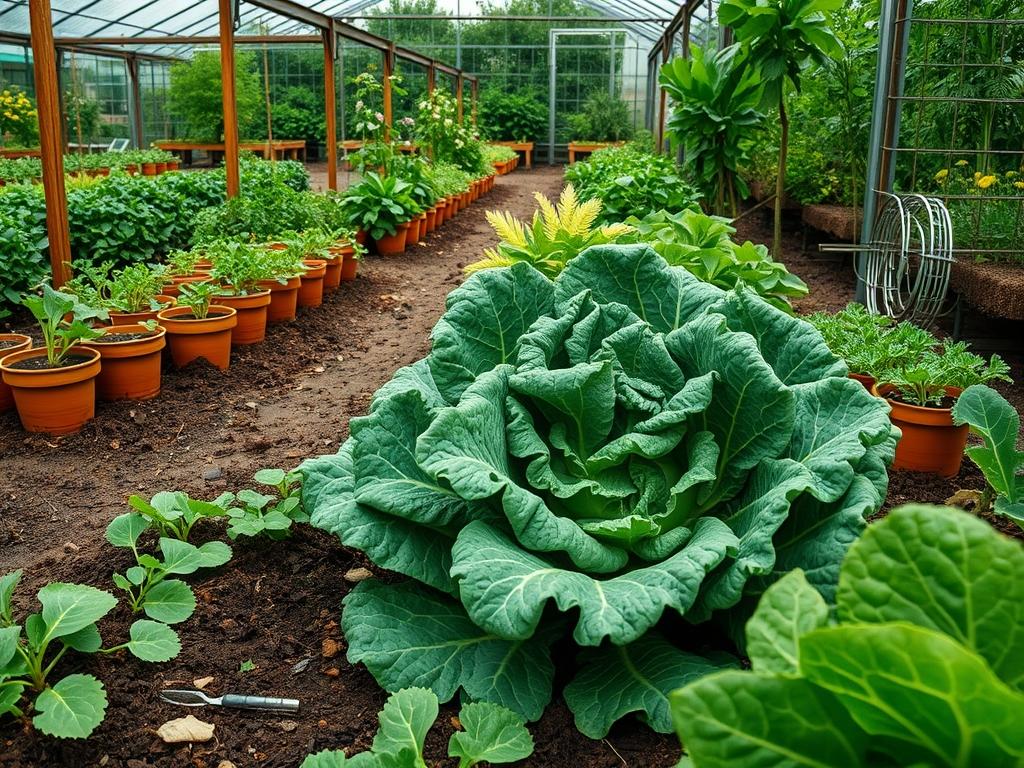
Integrating edible crops into a high-end residential landscape requires a sophisticated balance between aesthetic form and biological function. Traditionally, kitchen gardens were relegated to hidden corners of the backyard; however, modern landscape architecture embraces the concept of edible ornaments. Harvesting Leafy Kale serves as a primary example of this shift. When managed correctly, these plants provide a striking structural element that enhances curb appeal while remaining highly productive. The challenge for the outdoor environment consultant is to ensure that the removal of foliage for culinary use does not leave the landscape looking ragged or depleted. By treating the kale plant as a living sculpture, we can maintain the visual integrity of the garden through meticulous planning and a deep understanding of plant physiology.
The functionality of an outdoor space depends heavily on the microclimate and the durability of the plant selections. In temperate zones, Kale is a powerhouse of productivity, often surviving deep into the winter months. To ensure the landscape remains functional, a designer must consider how the height and texture of the kale will change throughout the season. As the lower leaves are removed during Harvesting Leafy Kale, the plant develops a unique, trunk-like stem that can be used to create an architectural “palm tree” effect. This evolution allows for underplanting with shorter herbs or flowers, maximizing the use of space and increasing the layers of interest within the garden bed.
Landscape Design Principles
Successful integration of productive plants begins with the application of foundational design principles, specifically symmetry and focal points. Kale varieties like Lacinato or Redbor offer unique colors, ranging from deep blue-green to vibrant purple, which can act as a natural anchor for a planting scheme. By placing these plants in symmetrical patterns along a central axis, the landscape takes on a formal quality that masks the utilitarian nature of the vegetable. Visual balance is achieved by pairing the coarse, crinkled texture of the kale leaves with finer textures like Fine Fescue or creeping Thyme.
Elevation layers are equally critical in a professional landscape. We often utilize raised beds or terraced retaining walls built with Natural Stone or Pressure-Treated Timbers to bring the plants closer to eye level. This not only eases the physical demand of Harvesting Leafy Kale but also ensures better drainage and soil temperature control. Irrigation planning must be integrated into the initial design phase. A hidden Drip Irrigation System with pressure-compensating emitters is the gold standard for maintaining consistent moisture levels without wetting the foliage, which reduces the risk of fungal diseases. Finally, wide walkways of Decomposed Granite or Flagstone ensure that the harvesting process does not lead to soil compaction in the surrounding root zones.
Plant and Material Selection
| Plant Type | Sun Exposure | Soil Needs | Water Demand | Growth Speed | Maintenance Level |
| :— | :— | :— | :— | :— | :— |
| Lacinato Kale | Full Sun | Loamy, pH 6.0-7.5 | Moderate | Fast | Medium |
| Redbor Kale | Full/Partial Sun | Rich Organic | High | Moderate | Medium |
| Curly Kale | Full Sun | Well-drained | Moderate | Fast | Low |
| Rosemary | Full Sun | Sandy/Gravelly | Low | Slow | Low |
| Sweet Alyssum | Full/Partial Sun | Average | Moderate | Fast | Low |
| Shredded Cedar | N/A | Decorative Mulch | N/A | N/A | Low |
Implementation Strategy
The transition from a design on paper to a physical backyard layout requires a disciplined implementation strategy. The first step involves grading the site to ensure a 2 percent slope away from any permanent structures. This prevents water from pooling around the root systems of your edible plants. Once grading is complete, we establish clear edging using Steel Edging or Bender Board to create a sharp definition between the garden beds and the turf or pathways. This border is essential for maintaining a clean aesthetic during the high-growth summer months.
When planting for the purpose of Harvesting Leafy Kale, ensure each specimen has at least 18 inches of space on all sides. This prevents overcrowding and allows for the air circulation necessary to keep the plants productive. During the installation, we incorporate Organic Compost and a 10-10-10 Slow-Release Fertilizer into the top 6 inches of soil. After the plants are in the ground, a 3-inch layer of Hardwood Mulch or Pine Bark is applied across the entire bed. This mulch layer serves three purposes: it suppresses weeds, retains moisture, and provides a clean, professional finish that hides the irregularities of the soil. Hardscaping elements, such as a Garden Bench or an Artistic Trellis, should be positioned to complement the height of the mature kale, providing a sense of scale and permanence to the environment.
Common Landscaping Failures
One of the most frequent mistakes in edible landscaping is improper drainage planning. If the soil becomes waterlogged, the roots of the Kale will suffocate, leading to yellowing leaves and stunted growth. Another common failure is root overcrowding. While it is tempting to plant densely for immediate visual impact, the plants will eventually compete for nutrients, and the quality of the harvest will suffer. To avoid this, designers must adhere to strictly calculated spacing requirements based on the mature width of the species.
Soil compaction is a silent killer in the garden landscape. Frequently walking through the beds to reach the plants for Harvesting Leafy Kale can crush the soil structure, making it difficult for water and oxygen to reach the roots. This is why the installation of permanent stone steppers or gravel paths is not an optional luxury; it is a functional requirement. Lastly, irrigation inefficiencies, such as using overhead spray heads designed for grass, can lead to uneven watering and leaf rot. A professional landscape requires a dedicated zone for the garden beds with a separate timer and specialized emitters.
Seasonal Maintenance
Managing a productive landscape is a year-round commitment that changes with the seasons. In the spring, the focus is on soil preparation and the installation of young transplants. This is the time to check the Irrigation Valves and clean any clogged emitters. As we move into summer, the priority shifts to moisture management and pest control. Harvesting Leafy Kale should occur regularly during these months to encourage the plant to produce new growth from the center. Always use a pair of Bypass Hand Pruners to make clean cuts at the base of the outer leaves, leaving the central bud intact.
In the autumn, the cooling temperatures often improve the flavor and texture of the kale. This is the ideal time to apply a fresh layer of Mulch to insulate the roots against the coming frost. If you live in an area with heavy snow, you may need to install Wooden Stakes or small Burlap Screens to protect the plants from the weight of the snow. During the winter, maintenance is minimal; however, on warmer days, you should check the soil moisture. Even in the dormant season, the wind can dry out the evergreen-like leaves of the kale, necessitating a light watering to ensure the plant survives until the following spring.
Professional Landscaping FAQ
How do I harvest without making the plant look bare?
Only remove the outermost leaves, never taking more than one third of the foliage at once. This maintains the plant’s structural silhouette and ensures it has enough energy to continue generating new growth from the center apex.
What is the best mulch for an edible landscape?
Use Shredded Cedar Mulch or Straw. Cedar provides a clean, professional look and repels certain insects, while straw is excellent for moisture retention. Avoid dyed mulches, as they can contain chemicals unsuitable for plants intended for human consumption.
Can I grow kale in a small decorative pot?
Yes, provided the container is at least 12 inches deep. Use a high-quality Potting Mix and ensure there is adequate drainage. Potted kale acts as a great vertical accent on patios or near outdoor kitchen areas.
How often should I fertilize my kale plants?
Apply a liquid Fish Emulsion or a balanced granular fertilizer every 4 to 6 weeks during the growing season. High nitrogen content is essential for leafy greens to ensure the foliage remains vibrant and the plant stays productive after harvesting.
Why are the bottom leaves of my kale turning yellow?
This is often a sign of nitrogen deficiency or a drainage issue. If the soil is too wet, the roots cannot take up nutrients. Ensure your French Drain or exit grading is functional to allow excess water to escape.