
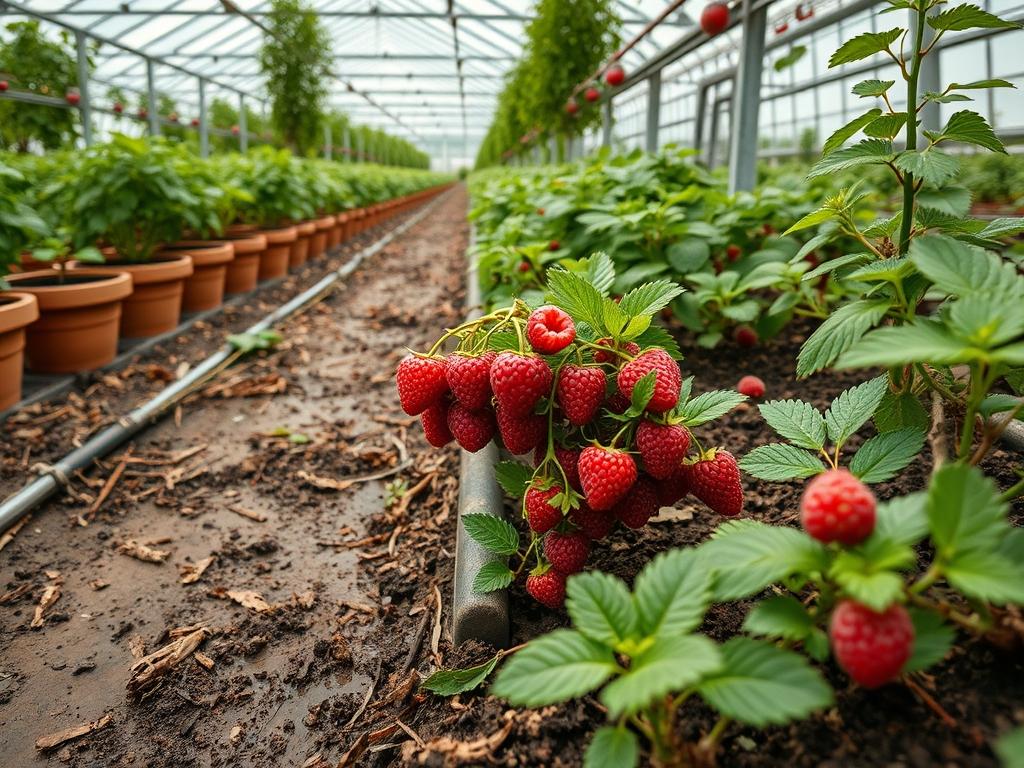
Incorporating fruiting brambles into a residential landscape requires a delicate balance between horticultural productivity and aesthetic refinement. While many homeowners view berry patches as utilitarian additions hidden in the backyard, a professional landscape architect views them as structural elements that can define boundaries, provide seasonal color, and offer an interactive outdoor experience. The primary challenge when designing for the purpose of picking fresh raspberries daily involves managing the aggressive growth habits of the Rubus idaeus species while maintaining the clean lines and functionality of a high-end garden. Success is measured not just by the volume of the harvest, but by how seamlessly the canes integrate into the overall site plan, ensuring that the act of harvesting is an ergonomic and enjoyable part of the daily routine rather than a chore performed in a tangled thicket.
The choice of site is the most critical decision in the planning phase. Raspberries require excellent drainage and a dedicated sun exposure of at least six to eight hours per day to produce high-sugar fruit. From a design perspective, the orientation of the rows must align with the prevailing winds and solar path to maximize air circulation and light penetration. This prevents the fungal pathogens that often plague dense cane plantings. Furthermore, the designer must consider the curb appeal impact. An unmanaged raspberry patch can quickly look neglected; however, by utilizing architectural supports and professional edging, these plants become an intentional design feature. By treating the berry garden as a structured orchard rather than a wild patch, the landscape provides both high-yield functionality and sophisticated visual appeal throughout the growing season.
Landscape Design Principles
In professional environments, the layout of a raspberry garden follows the same principles as a formal parterre or a structured perennial border. Symmetry is your most effective tool for managing the visual chaos of canes. By planting in long, linear rows framed by heavy-duty timber or powder-coated steel trellises, you create a sense of order. These structures serve as the focal point during the winter months when the canes are dormant. Modern landscape design often utilizes the T-trellis or V-trellis system, which fans the canes outward to make picking fresh raspberries more accessible. This geometric approach ensures that every berry is visible and within easy reach, reducing the need to push through foliage and risking skin abrasions from thorns.
Elevation layers and topographical adjustments play a significant role in site functionality. For properties with flat terrain, creating raised beds of approximately 12 to 18 inches in height can significantly improve drainage and ergonomics. These elevated structures protect the root systems from compaction and saturated soils while also bringing the fruit closer to the harvester’s eye level. Walkway planning is equally vital. To allow for daily harvesting without treading on the root zones, primary pathways should be at least 36 inches wide. Using materials like decomposed granite, crushed limestone, or flagstone provides a stable, clean surface that prevents the area from becoming muddy during the peak summer picking season.
Visual balance is achieved by surrounding the raspberry canes with companion plantings that mask the lower, sometimes leggy, portions of the stalks. Low-growing herbs or pollinator-attracting perennials can be used as a soft “skirt” around the berry beds. This layering technique ensures that the garden remains attractive even after the primary harvest is over. Additionally, the integration of a dedicated irrigation system, specifically subsurface drip lines, ensures that the foliage remains dry during watering cycles, which is essential for maintaining fruit quality and preventing rot.
Plant and Material Selection
| Plant Type | Sun Exposure | Soil Needs | Water Demand | Growth Speed | Maintenance Level |
| :— | :— | :— | :— | :— | :— |
| Heritage (Red) | Full Sun | Well-drained Loam | Moderate | Fast | Medium |
| Fall Gold (Yellow) | Full Sun | Slightly Acidic | High | Moderate | Medium |
| Jewel (Black) | Full Sun | Rich Organic | Moderate | Moderate | High |
| Joan J (Thornless) | Full Sun | Neutral pH | Moderate | Fast | Low |
| Bristol (Black) | Full Sun | Deep, Sandy Loam | Moderate | Moderate | High |
| Glencoe (Purple) | Full Sun | Well-drained | Moderate | Fast | Medium |
Implementation Strategy
The successful implementation of a raspberry-focused landscape begins with rigorous site preparation. Unlike annual vegetables, raspberries are long-term residents that may occupy a space for over a decade. Grading the area is the first step; ensure a 2 percent slope away from the center of the planting bed to facilitate surface runoff. If the natural soil is heavy clay, the architect should specify a soil exchange or the addition of substantial organic matter to create a friable, nutrient-rich environment. Excavate the planting trench to a depth of 12 inches and incorporate composted manure or aged leaf mold to ensure a steady supply of nitrogen.
Once the grading and soil amendments are complete, the installation of root barriers is paramount. Raspberries spread via underground rhizomes that can easily colonize adjacent lawns or flower beds. Installing a 20-mil plastic root barrier or a deep concrete curb to a depth of 12 to 15 inches around the perimeter of the bed will keep the canes contained within their designated footprint. After the barriers are in place, the trellis system should be anchored. Use 4×4 pressure-treated posts set in concrete for longevity, with 12-gauge galvanized wire stretched between them at heights of 2 feet and 4.5 feet. This support system is the backbone of the “U-Pick” home experience, as it allows the canes to be tied back, exposing the fruit for efficient daily picking.
Mulching is the final step in the implementation process. Apply a layer of hardwood mulch or pine bark nuggets at a depth of 3 to 4 inches. This layer suppresses weeds, regulates soil temperature, and provides a clean floor for the gardener. In systems designed for picking fresh raspberries, mulch also prevents soil-borne pathogens from splashing onto the low-hanging fruit during rain events. The transition between the mulch and the surrounding walkway should be defined by a sharp steel edge or a brick soldier course to maintain the professional aesthetic.
Common Landscaping Failures
One of the most frequent mistakes in berry landscaping is improper drainage management. Raspberry roots are highly susceptible to Phytophthora root rot, which occurs when water sits around the crown for extended periods. Designers often fail to account for the “bathtub effect” created when a planting hole is dug into heavy clay and filled with light, porous soil without a proper drainage exit. To avoid this, subsurface perforated drain pipes should be installed beneath the beds in areas with high water tables or poor percolation rates.
Another common failure is root overcrowding and improper spacing. In an attempt to create a lush, full look immediately, many contractors plant canes too close together. This leads to a lack of air movement, which invites gray mold (Botrytis) and makes picking fresh raspberries a difficult and messy task. Canes should be spaced at least 2 feet apart within the row, with rows separated by a minimum of 8 feet. Failure to provide adequate space also results in smaller berries and increased competition for nutrients. Irrigation inefficiencies, such as the use of overhead sprinklers, represent a third major failure. High-finesse landscapes must use drip emitters or soaker hoses to deliver water directly to the root zone, keeping the berries dry and the water usage optimized.
Seasonal Maintenance
Spring maintenance focuses on structural integrity and nutrient replenishment. As soon as the soil is workable, the landscape team should apply a balanced 10-10-10 fertilizer and refresh the mulch layers. This is also the time for primary pruning. For summer-bearing varieties, remove any canes that fruited the previous year, as they will not produce again. For ever-bearing varieties, some architects recommend a “mow-down” strategy in late winter to simplify maintenance, though this trades a summer crop for a larger autumn harvest.
Summer management is centered on the daily harvest and water monitoring. During peak production, the soil must remain consistently moist but not saturated. Checking the tensiometer or soil moisture levels daily ensures the fruit remains plump. Harvesting should be done in the cool of the morning, using shallow containers to prevent the bottom berries from being crushed by the weight of those above. As the canes grow, they must be tucked back into the trellis wires to maintain the clear pathways defined in the original design.
Autumn and winter management involve cleaning the site to prevent pests from overwintering. Remove all fallen foliage and any “mummy” berries that remain on the canes. In colder climates, a thicker layer of straw mulch may be applied over the crown for insulation. If the landscape includes retaining walls or built-in planters for the berries, inspect the masonry for any frost-heave damage and ensure that the irrigation lines have been thoroughly winterized with a compressed air blowout.
Professional Landscaping FAQ
What is the best way to prevent raspberries from taking over the yard?
Install a physical root barrier made of high-density polyethylene buried 15 inches deep. This prevents rhizomes from spreading into adjacent turf. Regular edging of the mulch bed also helps identify and remove any rogue suckers early.
How wide should I make my raspberry picking aisles?
For professional ease and equipment access, aisles should be 3 to 4 feet wide. This provides enough room for a garden cart or harvesting baskets without damaging the delicate fruiting laterals of the canes.
Can I grow raspberries in large decorative containers?
Yes, use 20-gallon pots with excellent drainage holes. This is an ideal solution for smaller patios. Ensure you use a high-quality potting mix and provide a light bamboo trellis for support to keep the canes upright.
Which variety is easiest for a low-maintenance landscape?
The Joan J variety is highly recommended because it is thornless. This makes the daily task of picking fresh raspberries much more pleasant and safer for children, while the sturdy canes require less intensive tying.
How do I ensure the berries stay clean for daily picking?
Maintain a 3-inch layer of clean straw or wood chips beneath the plants. This prevents soil from splashing onto the berries during rain and provides a dry surface for the gardener to stand on during the harvest.