
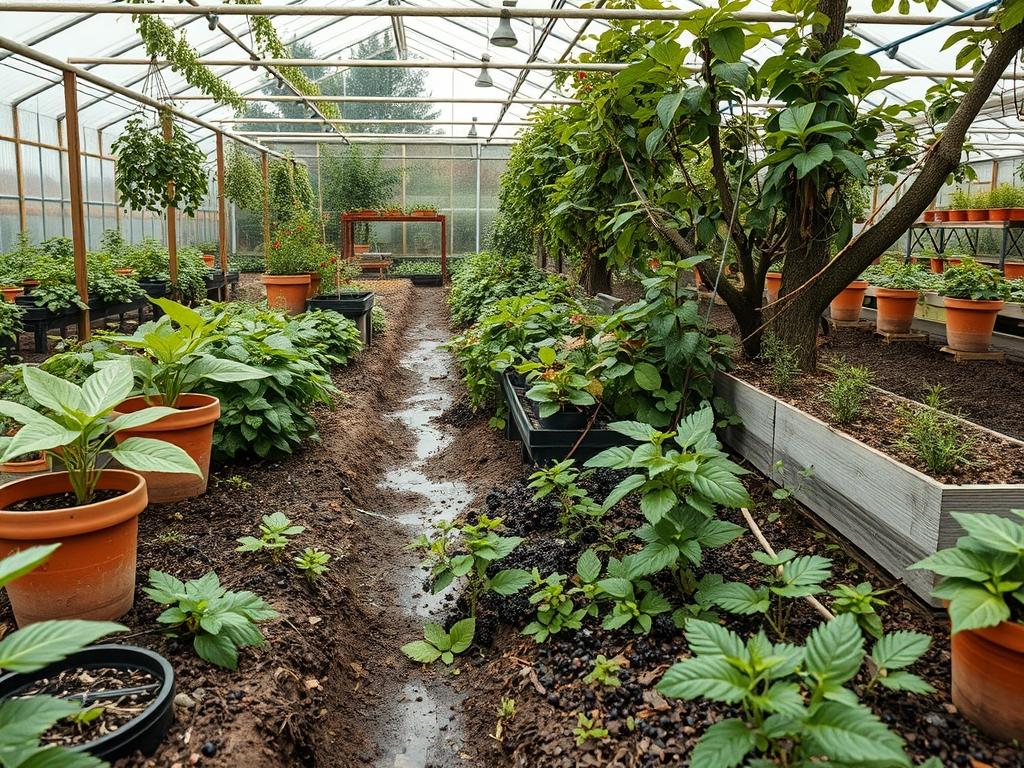
Managing the integration of blackberry thickets into a cohesive landscape design requires a delicate balance between productive utility and aesthetic control. To the untrained eye, a wild thicket appears as a chaotic tangle of thorns and vine; however, from a professional landscaping perspective, these areas represent high-yield edible zones and critical wildlife corridors. The primary challenge involves taming the aggressive growth habits of species like Rubus fruticosus to ensure they do not compromise the curb appeal or the structural integrity of nearby hardscaping. A well-placed thicket can serve as a natural security barrier or a soft-textured backdrop, provided the designer accounts for the intense maintenance requirements and the physiological safety of those harvesting the fruit. In many climates, particularly those with moist springs and hot summers, blackberries can quickly transition from a managed asset to an invasive nuisance if the site is not graded and contained with physical root barriers.
The functionality of a blackberry zone extends beyond mere food production. When we design for harvesting blackberry thickets, we must consider the ergonomics of the space. Outdoor environments should facilitate easy access without exposing the gardener to excessive risk from thorns or uneven terrain. This means integrating wide pathways, proper drainage to prevent mud buildup during the peak summer picking season, and strategic placement relative to the home’s primary outdoor living areas. By treating the thicket as a structured element of the landscape rather than a neglected corner, we enhance the property’s biodiversity while maintaining a polished, intentional appearance.
Landscape Design Principles
Successful blackberry integration relies on the same core principles used in ornamental garden planning, with a specific focus on Symmetry and Elevation Layers. To prevent a thicket from looking like a neglected wasteland, it should be framed by clean lines. This is often achieved through the use of Retaining Walls or defined Edging materials like heavy-gauge steel or concrete pavers. Visual balance is maintained by placing taller thickets at the rear of a border, transitioning to lower-growing perennials or groundcovers in the foreground. This creates a tiered effect that draws the eye upward while keeping the primary harvest zone within reach.
Focal Points are equally important in edible landscaping. A centrally located Trellis System or a custom-built Arbor can transform a sprawling blackberry plant into a vertical architectural feature. This not only improves the visual appeal but also facilitates air circulation, which is vital for preventing fungal diseases in high-density thickets. Furthermore, Irrigation Planning must be integrated into the initial design phase. While established blackberries are relatively drought-tolerant, a dedicated Drip Irrigation system ensures consistent berry size and plant health. By burying the lines beneath a layer of Organic Mulch, the designer maintains the clean aesthetic of the landscape while providing targeted hydration to the root zone, reducing water waste and weed competition.
Plant and Material Selection
Selecting the right cultivar is the difference between a high-maintenance headache and a flourishing garden asset. Professionals often prefer thornless varieties for high-traffic areas, while using traditional thorny species for perimeter security.
| Plant Type | Sun Exposure | Soil Needs | Water Demand | Growth Speed | Maintenance Level |
| :— | :— | :— | :— | :— | :— |
| Thornless Blackberry | Full Sun | Well-drained, pH 5.5-6.5 | Moderate | Fast | Medium |
| Wild/Thorny Blackberry | Full to Partial Sun | Adaptable/Loamy | Low to Moderate | Very Fast | High |
| Trailing Blackberry | Full Sun | Rich Organic Matter | High | Moderate | High (Needs Trellis) |
| Erect Blackberry | Full Sun | Sandy/Loamy | Moderate | Fast | Low (Self-supporting) |
| Evergreen Blackberry | Partial Shade/Sun | Moist/Acidic | Moderate | Fast | High (Invasive risk) |
Implementation Strategy
The transition from a design concept to a functional harvest zone begins with meticulous Grading. Blackberries are susceptible to root rot if they sit in stagnant water, so the site must be sloped at a minimum 2 percent grade away from the root crowns. If the natural topography does not allow for this, we recommend installing a French Drain or elevating the planting area into a Raised Bed constructed from rot-resistant cedar or stone. Once the grade is established, the layout should incorporate Walkways that are at least 48 inches wide. This width allows two people to pass comfortably and provides ample clearance for harvesting tools and buckets without snagging clothing on stray canes.
Edging is the next critical step. Because blackberries spread through underground rhizomes, a shallow plastic edge will not suffice. Designers should specify a root barrier reaching at least 12 inches below the surface to contain the thicket. After planting, a 3 to 4 inch layer of Wood Chip Mulch or Pine Bark should be applied. This suppresses weeds, retains moisture, and provides a clean surface for harvesters to stand on. Finally, the Hardscaping elements, such as bench seating or tool storage sheds, should be positioned upwind of the thicket to allow for a comfortable resting place during the labor-intensive harvest weeks.
Common Landscaping Failures
The most frequent mistake in managing blackberry thickets is poor Drainage. When water pools around the base of the canes, it weakens the plant’s immune system, leading to lackluster fruit production and eventual dieback. Another common failure is Root Overcrowding. Without annual thinning, the center of a thicket becomes a dead zone where sun cannot reach and air cannot flow. This creates a breeding ground for pests and makes harvesting the innermost berries nearly impossible without sustained injury from thorns.
Improper Spacing also plagues many residential landscapes. Homeowners often plant canes too close to fences or property lines, only to find that the plant has “hopped” the fence within two seasons. A minimum offset of five feet from any structural boundary is a professional standard. Furthermore, Soil Compaction caused by heavy foot traffic during the harvest can damage the sensitive feeder roots located just beneath the mulch. To prevent this, designate specific “picking paths” using flat stones or heavy timber to distribute weight evenly across the soil surface.
Seasonal Maintenance
Landscape management for blackberry thickets is a year-round commitment that changes with the life cycle of the canes. Most blackberries fruit on two-year-old wood, known as Floricanes, while first-year growth, or Primocanes, remains vegetative.
- Spring: Focus on Structural Pruning. Remove any dead or diseased wood that may have suffered over the winter. Apply a balanced, slow-release fertilizer and refresh the Mulch layer to prepare for the rapid growth phase.
- Summer: This is the primary window for Harvesting Blackberry Thickets. Monitor moisture levels closely; if the soil is dry more than two inches deep, increase the frequency of your Irrigation. Safety is paramount here; wear long sleeves and heavy gloves if dealing with thorny varieties.
- Autumn: Once the final berries are picked, prune the spent Floricanes down to the ground. This redirects the plant’s energy into the new Primocanes that will fruit next year. Check the integrity of all Trellis wires and supports.
- Winter: Apply a dormant spray if you have faced fungal issues in the past. Ensure the root zone is well-protected by a thick layer of mulch to prevent frost heave in colder zones.
Professional Landscaping FAQ
What is the best time of day for harvesting blackberry thickets?
Harvesting should occur in the cool, early morning hours after the dew has evaporated but before the heat of the afternoon. This ensures the fruit remains firm and has a longer shelf life after being picked from the canes.
How do I protect myself from thorns while harvesting?
Wear puncture-resistant gloves, a long-sleeved canvas jacket, and thick denim trousers. Utilize a long-handled reaching tool or a small step ladder to access berries in the center of the thicket without having to lean directly into the thorns.
Why are my blackberries small and dry?
Small, dry fruit is usually the result of inadequate Irrigation during the fruit-set stage or excessive Soil Compaction. Ensure the plants receive at least one inch of water per week and avoid walking directly on the root zones surrounding the canes.
How can I stop blackberries from spreading into my lawn?
Install a professional-grade root barrier made of high-density polyethylene buried 12 to 18 inches deep. Regularly mow the perimeter of the thicket to sever any new suckers that attempt to emerge through the turfgrass or garden beds.
Can I grow blackberries in a small urban backyard?
Yes, by selecting Erect or thornless varieties and utilizing vertical Trellis Systems. This keeps the footprint small and manageable, allowing you to enjoy a productive harvest without the thicket overwhelming the limited square footage of an urban environment.