
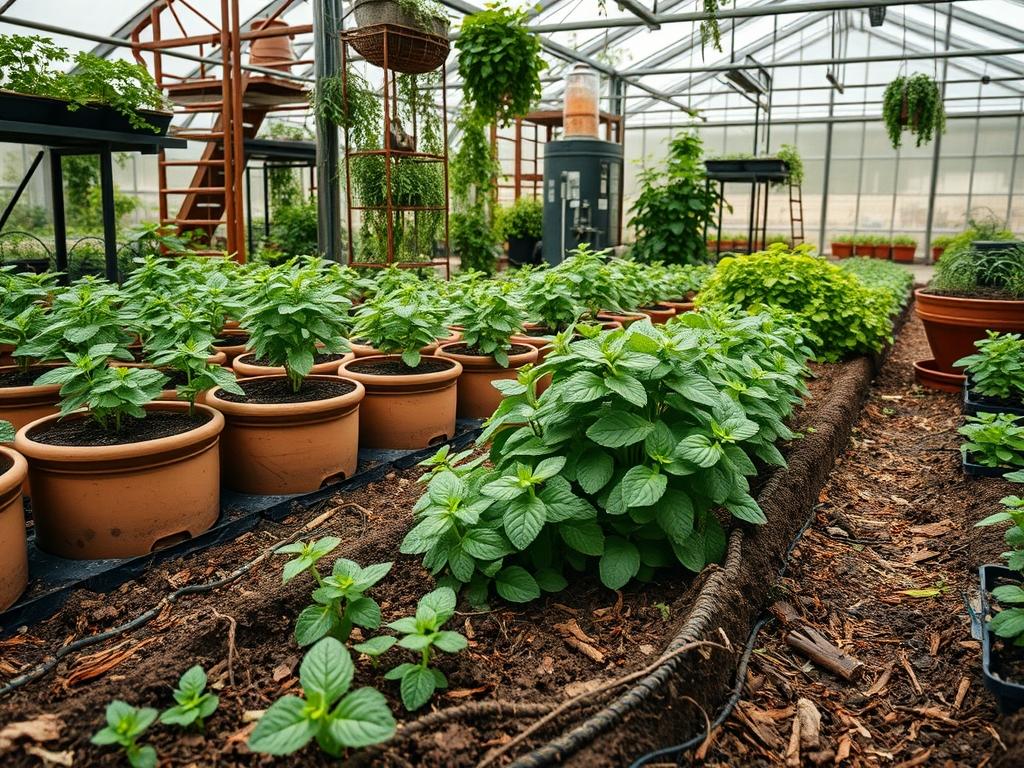
Managing a vigorous groundcover such as Mentha spicata, commonly known as Spearmint, requires a strategic approach that balances aesthetic appeal with aggressive botanical behavior. In professional landscape architecture, we often view mint as both a functional asset and a potential liability. It offers lush green foliage and a pleasant aroma that enhances the outdoor living experience; however, its biological drive to dominate a space can quickly compromise the visual balance of a curated garden. The primary challenge lies in the plant’s use of rhizomes, which are underground runners that extend horizontally to colonize new territory. By prioritizing frequent Harvesting Garden Mint, a property owner effectively disrupts the plant’s energy cycle. This constant removal of top growth forces the plant to focus its resources on vertical recovery rather than lateral expansion. From a consultant’s perspective, this is a form of biological maintenance that preserves the integrity of the original design layout. When mint is integrated into a landscape without a containment strategy, it can clog drainage pipes, lift paver stones, and choke out native plants that lack its competitive vigor. Successful integration requires a deep understanding of site conditions, including soil moisture levels and elevation changes, to ensure the plant remains a featured element rather than an invasive nuisance.
Landscape Design Principles
Effective landscaping relies on the principles of symmetry, focal points, and elevation layers to create a sense of order and purpose. When incorporating Peppermint or other mint varieties into a design, we treat them as “filler” plants that must be strictly regulated to maintain the “thriller” and “spiller” components of the arrangement. Visual balance is achieved by placing mint in zones where its texture complements hardscape materials like Flagstone or River Rock. To prevent the plant from blurring the lines of a formal walkway, architects often utilize Sod Staples or Physical Barriers that extend at least 12 inches below the surface. Symmetry is maintained by ensuring the mint stays within its designated footprint, usually a Terracotta Pot or a Concrete Planter recessed into the ground.
Irrigation planning is another critical component of the design phase. Mint thrives in areas with consistent moisture, making it an excellent candidate for planting near Downspouts or in low-lying areas where Surface Runoff collects. However, if the site lacks natural Drainage, stagnant water can lead to root rot. To mitigate this, we recommend a layer of Coarsely Cut Gravel at the base of the planting hole to facilitate water movement. Elevation also plays a role; by placing mint on a higher tier of a Retaining Wall, the fragrance is localized at nose level for pedestrians, while the physical height acts as a natural deterrent for its creeping stems. The goal is to create a multi-dimensional garden where the mint serves a sensory purpose without infringing on the structural components of the site.
Plant and Material Selection
| Plant Type | Sun Exposure | Soil Needs | Water Demand | Growth Speed | Maintenance Level |
| :— | :— | :— | :— | :— | :— |
| Spearmint | Full Sun to Part Shade | Loamy, pH 6.0-7.0 | High | Very Fast | High |
| Peppermint | Part Shade | Rich, Organic | High | Fast | High |
| Apple Mint | Full Sun | Well-Drained | Moderate | Fast | Moderate |
| Chocolate Mint | Part Shade | Moist Clay | High | Rapid | High |
| Pennyroyal | Full Sun | Sandy Loam | Moderate | Moderate | Moderate |
Implementation Strategy
The successful installation of a mint-focused garden begins with precise grading and soil preparation. Before a single Spade touches the ground, the landscape must be cleared of debris and leveled to prevent unintended water pooling. We recommend installing a Non-Woven Geotextile Fabric or a High-Density Polyethylene (HDPE) Root Barrier around the perimeter of the mint zone. This barrier should be installed at a depth of 18 inches to catch deep-running stolons. Once the perimeter is secure, the soil should be amended with Aged Compost and Perlite to improve aeration.
After planting the Mint Plugs, apply a layer of Cedar Mulch or Pine Bark at a depth of 3 inches. This mulch serves two purposes: it retains soil moisture during high-heat periods and suppresses the emergence of competing weeds. For a clean, professional finish, use Aluminum Edging or Steel Landscape Edging to create a crisp line between the mint bed and the surrounding Turfgrass. If the design includes garden walkways, ensure the Pea Gravel or Crushed Limestone paths are separated from the soil by a sturdy Edge Constraint to prevent the mint from “jumping” into the crevices between stones. During the first growing season, use Bypass Pruners to harvest the top 4 inches of growth every two weeks. This frequent intervention is the most effective way to ensure the plant density remains high while its total footprint remains unchanged.
Common Landscaping Failures
One of the most frequent mistakes in residential landscaping is the failure to account for root overcrowding within confined spaces. When mint is planted in a 5-gallon Container or a small Raised Bed, it can quickly become “root-bound,” leading to stunted growth and yellowing leaves. Proper maintenance requires the gardener to periodically remove the plant, divide the Root Ball with a Sharpened Shovel, and replant only a portion of it. Another common failure is irrigation inefficiency. While mint loves water, over-saturation in heavy Clay Soil causes the roots to suffocate. This often happens when Drip Irrigation Emmitters are placed too close to the main crown of the plant, creating a mud hole that invites fungal pathogens.
Soil compaction is a third silent killer of garden aesthetics. In high-traffic areas, the soil around the mint can become densely packed, preventing oxygen from reaching the root zone. This results in thin, leggy stems that lack the vibrancy required for high curb appeal. Finally, many homeowners neglect the “escapee” factor. A single runner crossing over a Wooden Fence or under a Landscape Timber can establish a new colony within weeks. Regular inspections with a Hand Trowel to check the perimeter are essential for long-term control. Without these tactical interventions, an intentional garden feature can transform into a costly restoration project.
Seasonal Maintenance
Seasonal care is the backbone of a professional landscape management plan. In the spring, apply a balanced Granular Fertilizer with a 10-10-10 NPK Ratio to stimulate new foliage. This is also the best time to inspect Hardscape Joints for any adventurous roots that survived the winter. As temperatures rise in the summer, the focus shifts to Harvesting Garden Mint for culinary use or aesthetic thinning. During periods of extreme heat, increase the frequency of irrigation, ensuring the water penetrates to a depth of 6 inches.
As autumn approaches, the plant’s growth rate will naturally slow. This is the period to perform a “hard prune,” cutting the stalks back to within 2 inches of the soil line. Removing the spent foliage prevents pests like Aphids or Spider Mites from overwintering in the debris. In the winter months, if you are in a climate with freeze-thaw cycles, add an extra 2 inches of Straw or Leaf Mold to protect the crown from frost heaving. For those utilizing Irrigation Systems, remember to blow out the lines and shut down the Main Water Valve to prevent pipe bursts. Following this cyclical schedule ensures that the mint remains a productive and beautiful component of the outdoor environment year after year.
Professional Landscaping FAQ
How deep should a root barrier be for mint?
A professional-grade Root Barrier should reach a depth of at least 12 to 18 inches. This prevents the aggressive Rhizomes from diving under the edge and emerging in other parts of the garden or underneath Paver Walkways.
Can I plant mint directly in my lawn?
Planting mint in a lawn is generally discouraged unless you want a “fragrant lawn.” It will outcompete Kentucky Bluegrass or Fescue. If attempted, use a Power Mower to keep it at a height of 3 inches.
What tools are best for harvesting garden mint?
For clean cuts that promote rapid regrowth, use Stainless Steel Snips or Bypass Pruners. Avoid pulling the stems by hand, as this can disturb the shallow Root System and damage the structural integrity of the plant.
Does mulch help contain the spread of mint?
Organic Mulch does not stop the underground runners, but it does make them easier to spot and remove. A 3-inch layer of mulch keeps the soil loose, allowing you to pull up rogue runners easily with a Hand Weeder.
What is the best soil for mint containment?
Mint prefers a Loamy Soil rich in organic matter. However, to help contain it, many designers use a “containment mix” inside Planters consisting of Potting Soil, Coarse Sand, and Compost, which provides nutrients while allowing for easy moisture monitoring.