
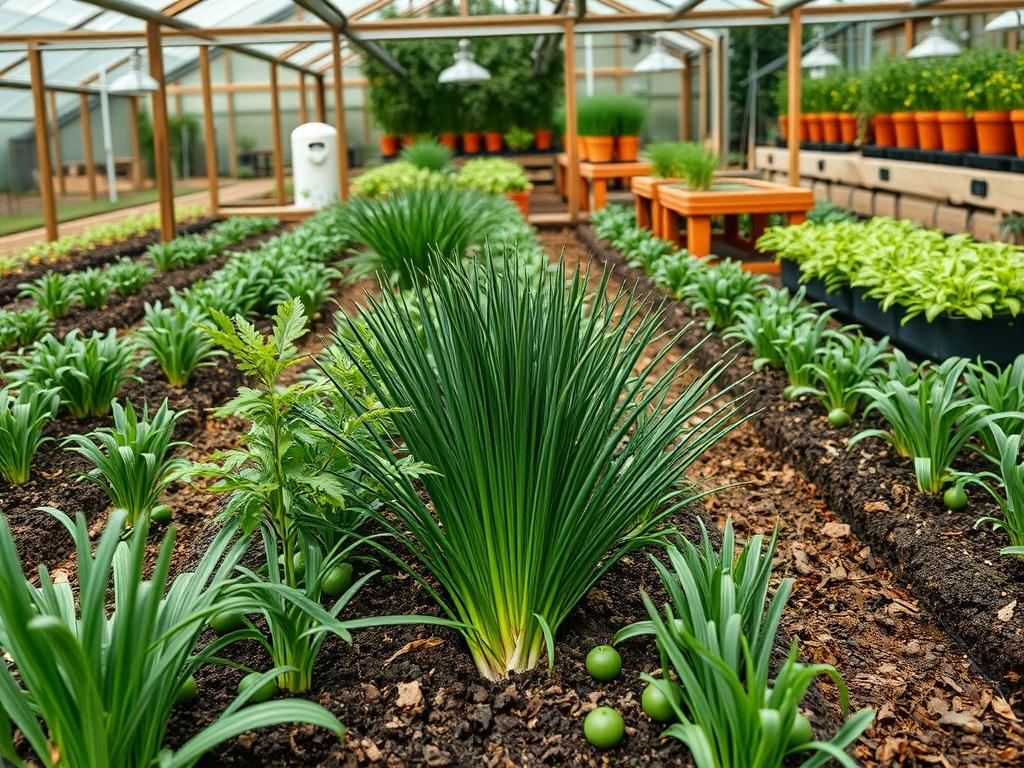
Integrating edible perennials into a residential landscape requires a balance between aesthetic symmetry and functional accessibility. For the modern homeowner, the challenge lies in transitioning away from traditional, high-maintenance ornamental borders toward “edimental” designs that provide both curb appeal and culinary utility. Allium schoenoprasum, commonly known as chives, serves as a primary tool for achieving this foliage density. These plants are exceptionally hardy across most temperate climates; they offer a soft, grass-like texture that softens the hard edges of stone walkways or concrete retaining walls. From a landscape architect’s perspective, the primary goal is to treat these herbs as structural elements rather than just garden accessories. When done correctly, the site plan ensures that the process of picking fresh chives becomes a seamless part of the outdoor experience. Proper placement near transition zones, such as the threshold between a kitchen patio and the main lawn, allows for easy harvest without disrupting the visual flow of the environment.
Landscape Design Principles
Successful garden planning relies on the concepts of rhythm and repetition. When using chives as a border, I recommend planting them in staggered rows to create a dense, green frieze that masks the exposed soil at the base of taller shrubs. This creates a multi-layered elevation strategy. In a formal landscape, symmetry is achieved by mirroring these borders along a central axis, such as a paved path or a water feature. Because chives grow in mounded clumps, they act as natural visual anchors. They prevent the landscape from looking sparse during the early spring when other perennials are still dormant.
The use of focal points is equally critical. While the green foliage provides the texture, the purple blossoms offer a seasonal pop of color that can be used to draw the eye toward specific architectural features like gated entrances or custom stone benches. We also consider the “kitchen triangle” logic but apply it to the outdoors. The distance between the outdoor grill and the chive patches should be minimized to encourage frequent use. By integrating the edible elements into the primary design rather than hiding them in a backyard corner, you elevate the functionality of the home’s exterior. Visual balance is maintained by pairing the fine blades of the chives with broader-leafed accents, such as Hosta or Salvia, which creates a contrast in leaflet morphology.
Plant and Material Selection
| Plant Type | Sun Exposure | Soil Needs | Water Demand | Growth Speed | Maintenance Level |
| :— | :— | :— | :— | :— | :— |
| Common Chives | Full Sun to Part Shade | Rich, well-drained loam | Moderate | Fast | Low |
| Garlic Chives | Full Sun | Sandy or loamy mix | Moderate | Medium | Medium |
| Siberian Chives | Full Sun | Well-drained, gritty | Low | Slow | Low |
| Giant Allium | Full Sun | Deeply tilled, porous | Moderate | Medium | Low |
For the hardscaping components, I prioritize materials that complement the organic nature of the plants. Using natural bluestone or weathered cedar for raised beds provides a neutral backdrop that makes the vibrant green of the chives stand out. If the site has poor native soil, we specify a custom soil mix consisting of 40 percent compost, 40 percent topsoil, and 20 percent coarse sand to ensure optimal drainage and aeration for the root systems.
Implementation Strategy
The execution of a high-end garden layout begins with professional grading. You must ensure that the planting area slopes away from the home’s foundation at a minimum grade of 2 percent. This prevents moisture from pooling, which is vital for allium species that are susceptible to root rot in anaerobic soil conditions. Before any planting occurs, we install a high-quality weed barrier or a thick 3-inch layer of organic cedar mulch to suppress invasive growth and regulate soil temperature.
When planning the physical layout, use a measuring tape to space the chive clumps approximately 8 to 12 inches apart. This spacing allows for the eventual expansion of the clumps without causing immediate overcrowding. If you are installing an irrigation system, drip tubing with 0.5-gallon-per-hour emitters should be positioned directly at the base of the plants. This targeted watering method keeps the foliage dry, reducing the risk of fungal pathogens like downy mildew. For those interested in picking fresh chives regularly, we often design a “harvest path” using step-on stones. This prevents soil compaction near the plants, which can otherwise stunt growth and make the ground difficult for roots to penetrate.
Common Landscaping Failures
One of the most frequent mistakes I see in residential designs is the failure to account for root overcrowding. Alliums are vigorous growers. If they are not divided every 3 to 4 years, the center of the clump will die out, leaving an unsightly brown “donut” in the middle of your border. Another significant issue is improper drainage. Homeowners often plant herbs in low-lying areas of the yard where water naturally collects. Without a proper French drain or a raised bed solution, the chives will struggle and likely succumb to fungal rot during a wet spring.
Irrigation inefficiency is another common pitfall. Overhead sprinklers often lead to “lodging,” where the weight of the water knocks the delicate chive blades onto the ground, making them dirty and difficult to harvest. Furthermore, neglecting the “deadheading” process is a major aesthetic failure. If you do not harvest the blossoms, they will eventually turn into brown seed heads that drop thousands of seeds into your mulch. This can transform a controlled landscape into a chaotic field of weeds within two seasons. Picking fresh chives and their blossoms is not just a culinary task; it is a vital maintenance step for keeping the garden within its intended design boundaries.
Seasonal Maintenance
Landscape management is a year-round commitment. In the spring, the focus is on “emergence care.” As soon as the soil is workable, we apply a balanced 10-10-10 slow-release fertilizer to provide the nitrogen necessary for rapid leaf development. This is the prime time for picking fresh chives for the first time, as the young shoots are the most tender and flavorful. Using sharp bypass pruners or heavy-duty garden shears, cut the foliage about 2 inches above the soil line. This encourages the plant to flush out new growth, maintaining a tidy, compact shape.
During the summer, the priority shifts to blossom management. Many clients enjoy the aesthetic of the purple globes, but as a consultant, I advise picking the blossoms just as they fully open. This captures them at their peak flavor and prevents the plant from diverting energy into seed production. In the autumn, once the first frost hits, the foliage will begin to yellow. This is the signal to cut the entire plant back to within 1 inch of the ground. Applying a fresh layer of bark mulch or shredded leaves will protect the bulbs from the freeze-thaw cycles of winter. Winter maintenance is largely passive; however, ensuring that heavy snow banks do not crush the dormant root zones is important for a successful spring return.
Professional Landscaping FAQ
How do I decide where to plant my chives for the best access?
Position your chives within 10 feet of your primary outdoor cooking area or kitchen door. Use them as a border for walkways to ensure you can reach them for harvesting without stepping into muddy garden beds during the rainy season.
What is the best tool for picking fresh chives without damaging the plant?
Always use sharp stainless steel scissors or bypass pruners. Never pull or tear the stalks by hand, as this can damage the bulb and the crown, leading to disease entry points and uneven future growth across the clump.
Can I grow chives in containers if my landscape has heavy clay soil?
Yes. Use terracotta pots or elevated planters filled with a high-quality potting mix. This provides the necessary drainage and allows you to move the plants to follow the sun patterns, ensuring they receive at least 6 hours of light.
How often should I divide my chive clumps to maintain the design?
To keep your landscape borders looking crisp, use a spade to divide the clumps every 3 years. Dig up the entire root ball in early spring, split it into three or four sections, and replant them with fresh compost.
Are the blossoms really edible, or are they just for show?
They are entirely edible and possess a mild onion flavor. Picking the blossoms as soon as they reach full size is the best way to keep the plant vigorous. It also prevents the spread of unwanted seedlings throughout your mulch.