
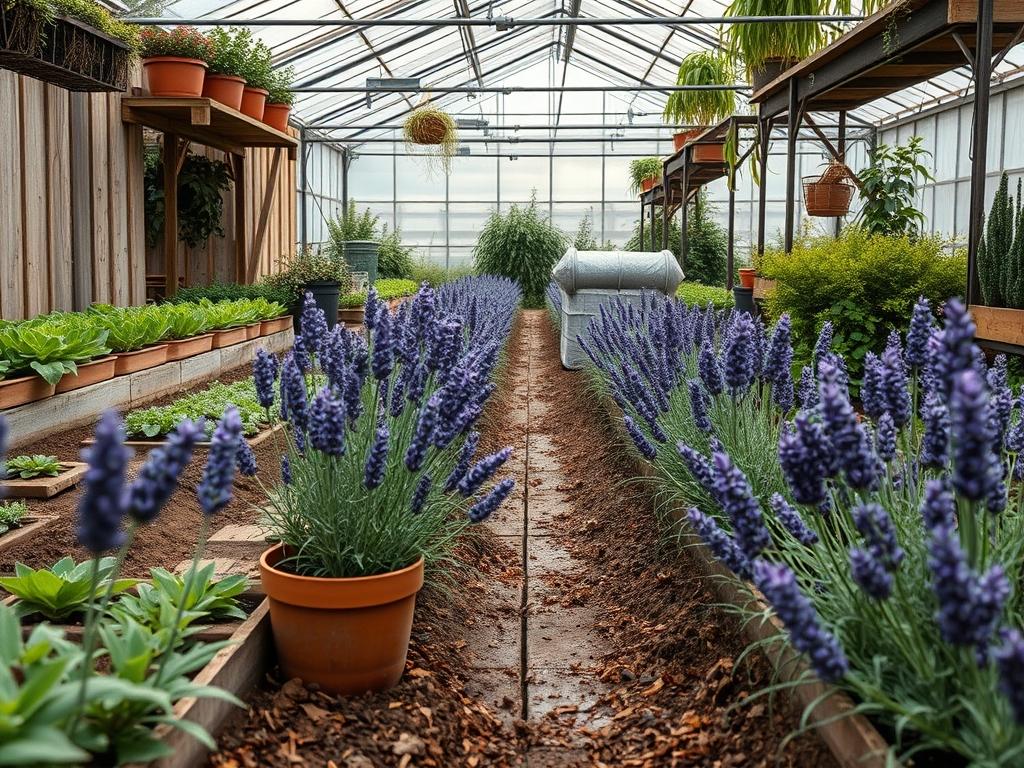
Achieving a sensory-rich landscape requires a delicate balance between structural aesthetics and the biological cycles of the flora chosen for the site. Lavender remains a cornerstone of professional landscape design due to its architectural structure, silver hued foliage, and significant curb appeal. However, the true value of Lavandula in a high end outdoor environment is realized during the harvest. Harvesting garden lavender for fragrance is a task that must be timed with precision to ensure the essential oils are at their peak concentration. From a consultant’s perspective, this process is not merely gardening; it is the maintenance of a living asset. When planned correctly, the timing of the harvest preserves the health of the shrub, encourages a secondary flush of growth, and maximizes the return on investment for the homeowner. For those managing Mediterranean style estates or modern xeriscapes, understanding the intersection of climate, variety, and bloom stage is critical for capturing that quintessential fragrance.
The peak window for harvesting garden lavender occurs when the bottom third of the flower spike has just begun to open. If you wait until the entire wand is in full bloom, the essential oils begin to dissipate as the plant shifts its energy toward seed production. To capture the highest fragrance intensity, one must engage in the harvest during the early morning hours, specifically after the morning dew has evaporated but before the heat of the afternoon sun draws the oils deep into the plant’s woody stems. This ensures that the bypass pruners or harvesting shears cut through stems when they are fully turgid and aromatic. In larger landscape installations, this timing also serves a functional purpose by clearing the visual field of fading blooms before they brown, thus maintaining the crisp, clean lines required in formal garden designs.
Landscape Design Principles
Incorporating lavender into a master site plan requires an understanding of symmetry and focal points. We often use English Lavender as a transitional element to soften the hard edges of bluestone walkways or as a repetitive border to lead the eye toward a primary focal point, such as a sculpture or a water feature. By utilizing elevation layers, a designer can plant lavender on sloped terrain or behind retaining walls, which naturally facilitates the drainage these plants crave. This placement also brings the fragrance closer to the nose of the pedestrian, enhancing the outdoor living experience.
Visual balance is achieved by pairing the fine texture of lavender with broader leafed plants or structural evergreens. In a professional layout, symmetry is maintained by spacing individual plants approximately 24 inches to 36 inches apart, depending on the cultivar. This spacing allows for adequate airflow, which is the primary defense against fungal pathogens in humid microclimates. Furthermore, integrating lavender near seating areas or outdoor kitchens serves an olfactory purpose, as the natural scent acts as a subtle deterrent for certain insects while providing a calming backdrop for social interaction.
Plant and Material Selection
Selecting the right variety is the foundation of a successful harvest. Below is a breakdown of the most common varieties used in professional landscaping and their specific environmental requirements.
| Plant Type | Sun Exposure | Soil Needs | Water Demand | Growth Speed | Maintenance Level |
| :— | :— | :— | :— | :— | :— |
| Lavandula angustifolia | Full Sun | Well-drained, Alkaline | Low | Moderate | Medium |
| Lavandula x intermedia | Full Sun | Sandy, Gritty | Very Low | Fast | Medium |
| Lavandula stoechas | Full Sun | Acidic to Neutral | Low | Moderate | High |
| Lavandula dentata | Full Sun | Rocky, Porous | Low | Fast | Low |
For high fragrance yield, Lavandula x intermedia, commonly known as ‘Grosso’ or ‘Provence’, is often the preferred choice for larger estates. These hybrids produce longer stems and a higher volume of essential oil, making them ideal for drying and sachet production. When selecting materials for the surrounding beds, we recommend using pea gravel or crushed oyster shells as a mulch. Unlike organic wood mulch, these inorganic materials reflect heat back up into the plant and prevent moisture from sitting against the crown, which is the most common cause of plant failure.
Implementation Strategy
The successful implementation of a lavender focused landscape begins with grading. To prevent water from pooling, the planting area should be graded at a 2 percent slope away from any structures or walkways. If the existing soil is heavy clay, we implement a soil amendment strategy involving coarse sand and perlite to ensure a high percolation rate. Digging a hole twice the width of the root ball and backfilling with a mix of native soil and well-rotted compost provides a nutrient base without over-fertilizing, which can lead to leggy growth and diminished fragrance.
Once the grading is complete, the edging should be installed to define the beds and prevent invasive turf grass from encroaching on the lavender root zones. A deep 4 inch metal or stone edge is preferred. After planting, a 2 inch layer of inorganic mulch is applied, leaving a small gap around the wooden crown of the plant to prevent rot. Irrigation planning is the final step; we typically install a drip irrigation system with emitters placed at the base of the plant rather than overhead. This keeps the foliage dry and directs water precisely where it is needed during the establishment phase, which usually lasts about one full growing season.
Common Landscaping Failures
The most frequent failure in lavender cultivation is improper drainage. When plants are installed in low lying areas or compacted soil, the roots suffocate and rot within a single season. Another common mistake is root overcrowding. While “mass planting” is a popular aesthetic, if the plants are set too closely together, the interior foliage will die back due to a lack of light and air circulation. This creates a “dead zone” in the center of the shrub that is visually unappealing and impossible to fix without significant pruning.
Improper spacing and irrigation inefficiencies also rank high among maintenance issues. Over-watering is more deadly to lavender than under-watering. Homeowners often treat lavender like a traditional bedding plant, applying water daily, which leads to yellowing foliage and weak stems. Lastly, deep organic mulch can be a fatal error. Wood chips retain too much moisture and can harbor fungal spores that attack the base of the plant. Transitioning to a mineral-based mulch is a professional standard that significantly increases the lifespan of the lavender.
Seasonal Maintenance
Seasonal management begins in the spring with a light trim to remove any winter dieback and to shape the plant before the first growth spurt. This is also the time to check the pH levels of the soil, aiming for a range between 6.5 and 7.5. If the soil has become too acidic, a light application of dolomitic lime can be beneficial. During the summer, the primary focus is the harvest. Once the lavender is harvested, a second light pruning can be performed to maintain the rounded shape and prevent the center of the plant from becoming excessively woody.
In the autumn, the goal is to prepare the landscape for dormancy. We avoid heavy pruning during this time, as new growth triggered by late season cuts will not have time to harden off before the first frost. Instead, we remove any fallen debris from the mulch to prevent pests from overwintering near the roots. For winter protection, especially in zones with heavy snow or ice, a burlap screen can be used to protect the evergreen foliage from desiccation. However, the best winter protection is simply ensuring that the plant is not sitting in standing water during the freeze-thaw cycles.
Professional Landscaping FAQ
How do I know the exact day to harvest for the best scent?
Monitor the flower spikes daily. You should harvest when the bottom row of buds on the flower head has opened. This stage contains the highest concentration of esters and essential oils needed for long lasting fragrance in dried bundles.
Should I use landscape fabric under the lavender beds?
Landscape fabric is generally discouraged for lavender. It can trap too much moisture in the soil and restrict the natural expansion of the root system. A thick layer of crushed stone or gravel is a more effective weed suppressant.
Can I grow lavender in a shaded area if the drainage is perfect?
Lavender is an obligate sun lover. It requires at least six to eight hours of direct sunlight to produce flowers and oils. Shade will result in a spindly, weak plant with very little fragrance and poor architectural form.
Why is my lavender turning gray and woody in the center?
This is typically caused by a lack of pruning or insufficient sunlight. To prevent this, perform an annual prune, cutting back about one third of the green growth, but never cutting into the old, leafless wood, as it will not regrow.
What is the best way to dry lavender after the harvest?
Bundle about twenty to thirty stems with a rubber band and hang them upside down in a dark, dry, and well-ventilated space. Avoid direct sunlight during the drying process, as UV rays will bleach the color and degrade the fragrant oils.