
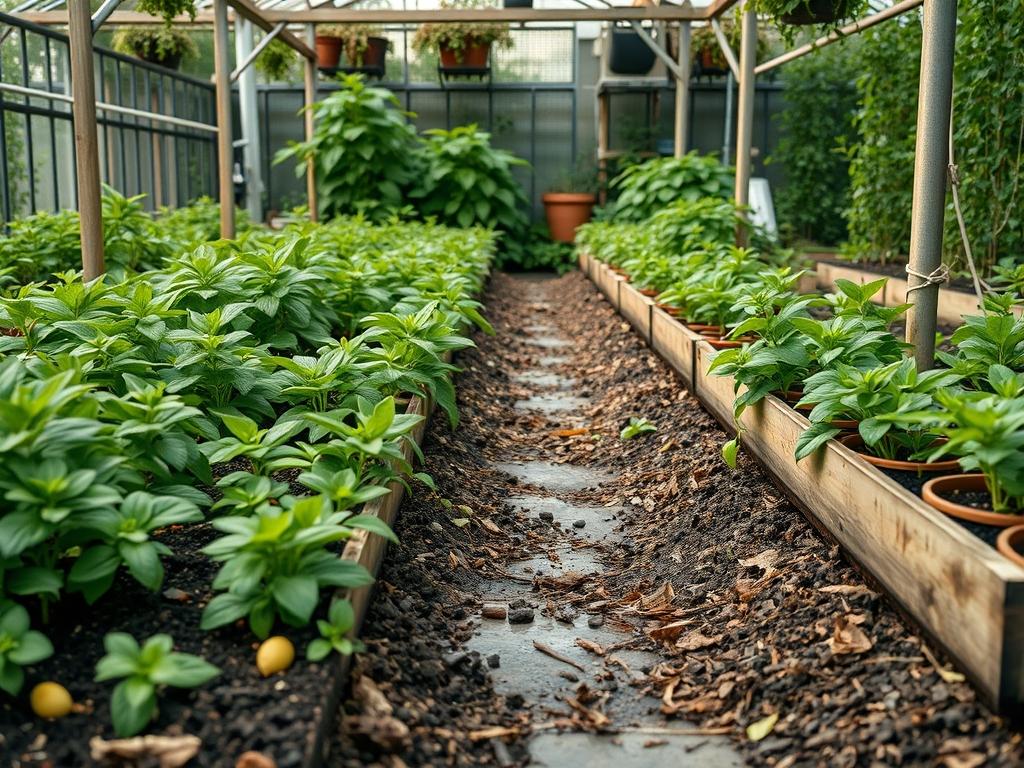
Managing a high growth landscape requires a strategic balance between aesthetic intent and biological reality. One of the most common challenges for residential property owners is the introduction of vigorous herbaceous perennials like Lemon Balm (Melissa officinalis), which can quickly pivot from a controlled aromatic border to an invasive groundcover. From a professional landscape architecture perspective, the secret to maintaining curb appeal and functional outdoor living space does not always reside in chemical suppression; rather, it often involves manual intervention and structural containment. Picking Fresh Lemon Balm serves as more than just a culinary harvest; it is a vital pruning technique that redirects the energy of the plant, prevents premature seed dispersal, and maintains the crisp lines required for a polished landscape design. When integrating such resilient species, we must consider the interplay of soil moisture, solar orientation, and structural barriers to ensure the garden remains an asset rather than a maintenance liability.
The objective is to achieve a lush, multi-sensory environment that enhances the property value and provides a functional retreat. This requires a thorough site analysis including drainage patterns and existing soil compaction levels. In temperate climates, aggressive growers thrive in the soft, loamy soils found near irrigation heads or downspouts. Without a proactive strategy—centered on the regular task of Picking Fresh Lemon Balm to thin out the canopy—the plant can suffocate smaller, less competitive species, leading to a loss of biodiversity within your flower beds. By viewing pruning as a design tool, we can utilize the rapid growth of the mint family to fill gaps quickly while keeping the overall aesthetic within the predefined boundaries of the master plan.
Landscape Design Principles
Effective landscape design relies on the core concepts of symmetry, focal points, and elevation layers to guide the eye through the environment. When working with sprawling perennials, I recommend utilizing a tiered planting strategy. This involves placing lower-profile groundcovers like Thyme in the foreground, mid-sized aromatic herbs in the middle ground, and structural shrubs like Boxwood in the background. This layering creates depth and masks the legginess that often occurs in older herb clusters. Symmetry can be achieved by flanking a walkway with identical stone planters, which serves a dual purpose: providing visual balance and physically restricting the root systems of aggressive spreaders.
Focal points, such as a custom Basalt Fountain or an ornamental Japanese Maple, provide a sense of scale and purpose to the garden. Around these focal points, we often specify soft-textured foliage to provide contrast. However, the rapid expansion of foliage in these areas can obscure hardscape features. By prioritizing the practice of Picking Fresh Lemon Balm every week during the peak growing season, the gardener maintains the “negative space” necessary for the design to breathe. This negative space is what differentiates a professional installation from an overgrown thicket. Furthermore, irrigation planning must be precise; over-watering aggressive species only accelerates their spread, so we often design zones that isolate moisture-loving plants from those that prefer drier conditions.
Plant and Material Selection
Selecting the right materials involves more than just picking colors; it requires an understanding of how different species interact over a three to five-year horizon. Below is a specification table used for planning high-growth zones.
| Plant Type | Sun Exposure | Soil Needs | Water Demand | Growth Speed | Maintenance Level |
| :— | :— | :— | :— | :— | :— |
| Lemon Balm | Full Sun to Part Shade | Well-drained Loam | Moderate | Rapid | High |
| English Lavender | Full Sun | Sandy/Gritty | Low | Moderate | Medium |
| Creeping Thyme | Full Sun | Poor to Average | Moderate | Slow to Medium | Low |
| Dwarf Boxwood | Part Sun | Rich, Organic | Consistent | Slow | Medium |
| Stonecrop Sedum | Full Sun | Dry, Rock-heavy | Very Low | Moderate | Low |
| Rosemary | Full Sun | Well-drained | Low | Moderate | Low |
For hardscaping, we recommend Polymetric Sand for paver joints to prevent weed seeds from taking hold between Flagstones. When selecting mulch, Double-shredded Hardwood Mulch is preferred for its ability to knit together and resist washing away during heavy rain, providing a clean backdrop for your greenery.
Implementation Strategy
The transition from a design on paper to a physical landscape requires meticulous site preparation. First, grading is essential. Ensure the soil slopes away from any permanent structures at a rate of at least 2 percent to prevent basement dampness and root rot in your more sensitive species. If you are installing an herb garden with aggressive spreaders, consider subterranean containment. Installing 10-inch Steel Edging or a Plastic Root Barrier around the perimeter of the planting pocket will significantly reduce the frequency of maintenance.
Once the grading and structural edges are in place, focus on the soil chemistry. Amending the area with Compost and Peat Moss will provide the jump-start needed for a lush appearance, but be wary of over-fertilization. High nitrogen levels will cause Lemon Balm to bolt, making the task of Picking Fresh Lemon Balm a daily necessity rather than a weekly chore. When planting, space your nursery stock according to their mature width, not their current size. A common mistake is crowding plants for immediate impact, which leads to poor air circulation and fungal issues. Apply 3 inches of mulch around the base of the plants, keeping the material at least 2 inches away from the main stems to prevent rot. Finally, integrate a Drip Irrigation System with an automated timer to provide consistent hydration without wetting the foliage, which helps prevent powdery mildew.
Common Landscaping Failures
The most frequent failure I encounter in residential landscapes is the neglect of drainage. Soil compaction, often caused by heavy equipment during home construction, creates a “bathtub effect” where water sits in the planting hole, drowning the roots. To test this, dig a hole 12 inches deep and fill it with water; if it does not drain within two hours, you must address the compaction with a Broadfork or by installing a French Drain.
Another critical error is improper spacing. Homeowners often underestimate the sheer speed at which a healthy Lemon Balm plant can colonize a garden bed. When these plants are allowed to touch and overlap, they create a dense mat that traps moisture and attracts pests like Aphids. Failure to engage in regular harvesting and thinning—specifically the act of Picking Fresh Lemon Balm from the center of the plant—results in a hollowed-out, woody base that looks unsightly after just one season. Irrigation inefficiency is also a major culprit; overhead sprinklers waste water and promote leaf diseases. Switching to a localized delivery system saves resources and keeps the garden healthier.
Seasonal Maintenance
Landscape management is a year-round commitment. In the spring, the focus should be on clean-up and revitalization. Remove any dead stalks from the previous year with Bypass Pruners and apply a fresh layer of Organic Mulch. This is the time to thin out the root balls of your more aggressive perennials before they hit their growth spurt.
Through the summer, the primary task is growth control. This is when Picking Fresh Lemon Balm becomes crucial; you should pinch off the flower spikes before they bloom to prevent the plant from dropping thousands of seeds across your lawn. During the autumn, transition your focus to protection. Cut back the foliage to about 4 inches above the soil line and apply a thicker layer of mulch to insulate the roots against freeze-thaw cycles. In the winter, use this dormant period to inspect your hardscaping. Check for shifted Pavers or cracked Retaining Walls caused by frost heave. Professional maintenance also involves sharpening your Garden Shears and cleaning your Hand Trowels with a mild bleach solution to prevent the transfer of pathogens when the new growing season begins.
Professional Landscaping FAQ
How deep should a root barrier be for aggressive herbs?
For plants like Lemon Balm, a barrier should be at least 10 to 12 inches deep. This prevents the rhizomes from creeping under the edging and emerging in nearby lawn areas or competing flower beds.
What is the best way to prevent woody stems?
Constant harvesting is key. By Picking Fresh Lemon Balm regularly, you encourage the plant to produce soft, new growth from the base. This prevents the center of the plant from becoming dense, brown, and unproductive.
Can lemon balm be used for erosion control?
While its root system is vigorous, it is better suited for flat or gently sloped areas. For steep embankments, use deeper-rooted woody shrubs or specialized Geo-textile Fabrics combined with native grasses for better structural stability.
How do I manage soil pH for an herb garden?
Most aromatic herbs prefer a neutral pH between 6.0 and 7.0. Use a Soil Test Kit annually. If the soil is too acidic, add Dolomitic Lime; if it is too alkaline, incorporate Elemental Sulfur.
What mulch is best for aromatic borders?
A fine-textured Cedar Mulch is excellent for aromatic borders. It provides a clean aesthetic, offers natural insect-repelling properties, and decomposes slowly, which reduces the frequency of re-application throughout the busy growing season.