
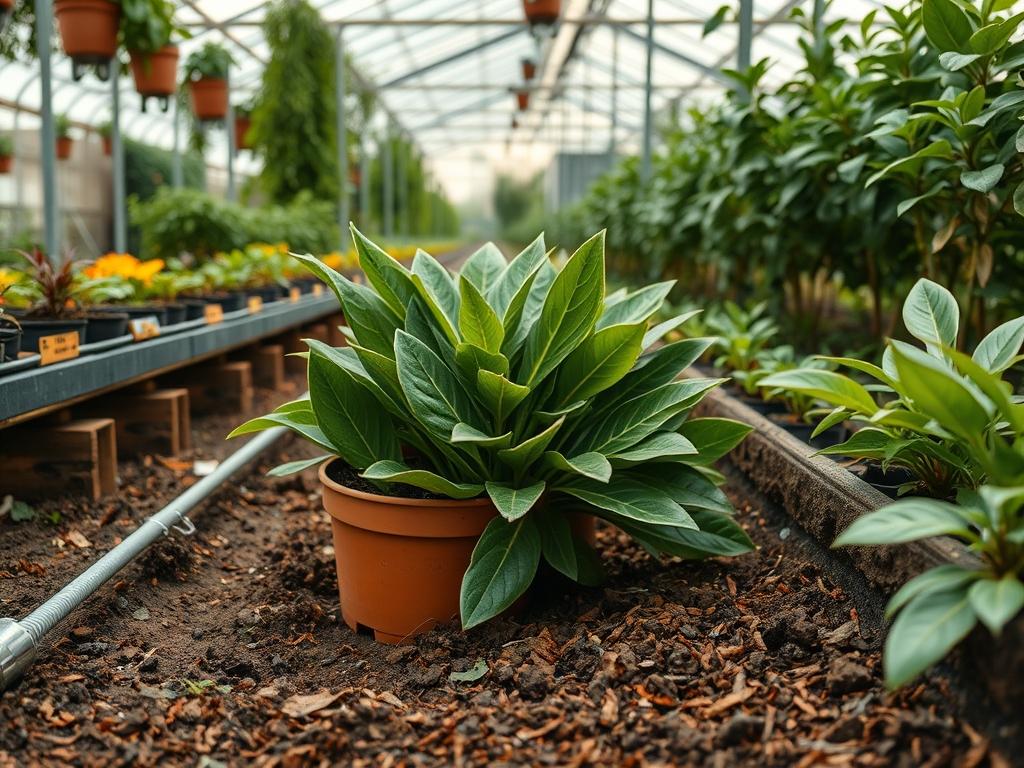
Integrating the Laurus nobilis, commonly known as the Bay Laurel, into a residential or commercial landscape requires a sophisticated understanding of both aesthetic structuralism and functional horticulture. While many homeowners view this specimen primarily as a culinary resource, the senior landscape architect recognizes it as a versatile evergreen that provides critical verticality, year-round privacy, and texture. The challenge in modern outdoor design often lies in balancing the desire for a productive kitchen garden with the clean lines of contemporary curb appeal. Large, glossy leaves and the dense growth habit of the Bay Laurel make it a premier candidate for formal hedging or as a singular, sculpted focal point. Achieving professional results necessitates a focus on microclimates and site specific drainage, ensuring the tree thrives long enough to provide a substantial yield. Harvesting Garden Bay Leaves is not merely a task of convenience; it is the culmination of precise landscape planning and maintenance that respects the slow growth rate of this Mediterranean native.
Effective landscape planning begins with assessing the environmental constraints of the site. Bay Laurels are hardy in USDA Zones 8 through 11, though they can be container grown in cooler regions to allow for seasonal relocation. When integrating these plants into a master plan, the designer must account for their mature scale, which can reach heights of 30 feet if left unpruned. However, in a controlled landscape, they are often maintained as 6 to 8 foot shrubs or formal cones. This adaptability allows them to serve as anchoring elements in a multi layered garden bed, providing a dark green backdrop that makes the colors of perennial flowers or silver foliaged shrubs pop. By prioritizing the structural integrity of the plant through proper placement, the architect ensures that the act of harvesting becomes a seamless part of the garden’s lifecycle rather than a destructive chore.
Landscape Design Principles
Successful integration of the Laurus nobilis relies on several core architectural principles that elevate the garden from a simple collection of plants to a cohesive outdoor environment. Symmetry is often the first consideration. Use Bay Laurels to bookend a formal entryway or to define the corners of a rectangular patio. This creates a sense of “outdoor room” enclosure that is both private and inviting. When used as a focal point, a single, well manicured Bay standard can draw the eye toward an end of a walkway, acting as a visual destination.
Elevation layers are equally vital. In a professional layout, the Bay Laurel is typically placed in the mid to rear “layer” of a border. This allows for lower-growing shrubs or groundcovers to occupy the foreground, creating a sense of depth. Furthermore, irrigation planning is a non-negotiable component. While established Bay trees are relatively drought-tolerant, they require consistent moisture during their first three years. Designing a dedicated drip irrigation system ensures that the trees receive water at the root zone without saturating the foliage, which can lead to fungal issues in humid climates. Finally, visual balance is achieved by pairing the coarse texture of the Bay leaf with finer textures, such as Ornamental Grasses or Lavender, which prevents the landscape from feeling overly heavy or monolithic.
Plant and Material Selection
The following table outlines the technical requirements for the Laurus nobilis and its common landscape companions to ensure a harmonious and sustainable environment.
| Plant Type | Sun Exposure | Soil Needs | Water Demand | Growth Speed | Maintenance Level |
| :— | :— | :— | :— | :— | :— |
| Laurus nobilis | Full Sun to Part Shade | Well-Drained, Loamy | Moderate | Slow | Medium |
| Rosmarinus officinalis | Full Sun | Sandy, Gritty | Low | Moderate | Low |
| Lavandula angustifolia| Full Sun | Alkaline, Well-Drained| Low | Moderate | Medium |
| Buxus sempervirens | Part Shade to Sun | Rich, Even Moisture | Moderate | Slow | High |
| Salvia officinalis | Full Sun | Dry to Medium | Low | Fast | Low |
Implementation Strategy
The process of installing a landscape designed for utility and beauty begins with site grading. Proper grading ensures that water moves away from the foundation of the home and prevents pooling around the root ball of the Bay Laurel. Since these plants are susceptible to root rot, the architect may specify a slight mound or “berm” to elevate the plant above the surrounding grade. Once the site is leveled, use steel edging or cobblestone borders to define the beds. This prevents turf grass from creeping into the mulch zones and provides a clean, professional finish.
When planting, dig a hole twice as wide as the root ball but no deeper. This prevents the plant from settling too low, which can suffocate the flare of the trunk. Backfill with a mix of native soil and high quality organic compost. After planting, a 3 inch layer of shredded bark mulch should be applied, keeping it a few inches away from the trunk to prevent moisture-induced decay. For those focused on Harvesting Garden Bay Leaves, the implementation phase is the best time to install accessible walkways using crushed gravel or flagstone. This ensures you can access the foliage for pruning or harvesting in damp weather without compacting the soil around the roots.
Common Landscaping Failures
One of the most frequent mistakes in professional landscaping is improper spacing. Because the Bay Laurel is slow-growing, there is a temptation to plant specimens too close together to achieve an “instant” hedge. This leads to poor air circulation and light competition, which thins out the lower canopy and reduces the quality of the leaves. Overcrowding also makes the plants more susceptible to scale insects and sooty mold.
Drainage inefficiencies are another silent killer in the landscape. Even in a well-planned garden, if the subsoil is heavy clay, the planting hole can act like a “bucket,” trapping water and drowning the roots. Architects must often specify French drains or drainage tile if the percolation test fails. Additionally, soil compaction from heavy machinery during construction can stifle root expansion. It is essential to aerate the soil and incorporate expanded shale or perlite to maintain the pore space necessary for healthy gas exchange in the rhizosphere.
Seasonal Maintenance
Maintenance is the key to preserving both the aesthetic value and the harvest potential of your garden. In the spring, apply a balanced slow release fertilizer to encourage the flush of new growth. This is also the ideal time for structural pruning; remove any winter damaged wood using sharp bypass pruners. As summer arrives, monitoring for pests becomes the priority. If you notice sticky residue on the leaves, treat the plant with neem oil or an insecticidal soap, ensuring you do not harvest for culinary use immediately after application.
Autumn is the peak season for Harvesting Garden Bay Leaves. At this time, the essential oils are at their most concentrated. Select mature, two year old leaves for the best flavor, as younger leaves can be overly bitter. Curing should be done in a cool, dark place for about two weeks to preserve the vibrant green color and aromatic oils. Once dried, store them in glass airtight jars. Finally, in winter, focus on protection. In cooler zones, wrap the trunk or apply a thick layer of straw mulch to insulate the root system against deep freezes.
Professional Landscaping FAQ
What is the best time for harvesting garden bay leaves?
Mid to late summer is the ideal window. During this period, the plant’s essential oil concentration is at its peak. Professionals recommend harvesting in the early morning after the dew has evaporated but before the intense afternoon heat begins to stress the foliage.
How do I prevent my Bay Laurel from becoming leggy?
Consistent pruning is required to maintain density. Tip-prune the new growth at least twice a year to encourage lateral branching. Ensure the plant receives at least six hours of direct sunlight; otherwise, it will stretch toward the light, resulting in sparse foliage.
Can I grow Bay Laurel in a container on a patio?
Yes, they thrive in large terracotta or glazed ceramic pots. Use a high quality potting mix with added grit for drainage. Containers allow you to control the soil environment perfectly and move the plant to a sheltered location during extreme weather events.
Why are the leaves on my Bay tree turning yellow?
Yellowing, or chlorosis, usually indicates a drainage problem or a nitrogen deficiency. Check the soil moisture levels first. If the soil is not overly saturated, apply a chelated iron supplement or a nitrogen rich organic fertilizer to restore the deep green color.
How far apart should I space Bay Laurels for a privacy screen?
For a dense, interlocking hedge, space the center of each plant 3 to 5 feet apart. This allows enough room for the individual root systems to establish while ensuring the canopies close the gap within three to four growing seasons for total privacy.