
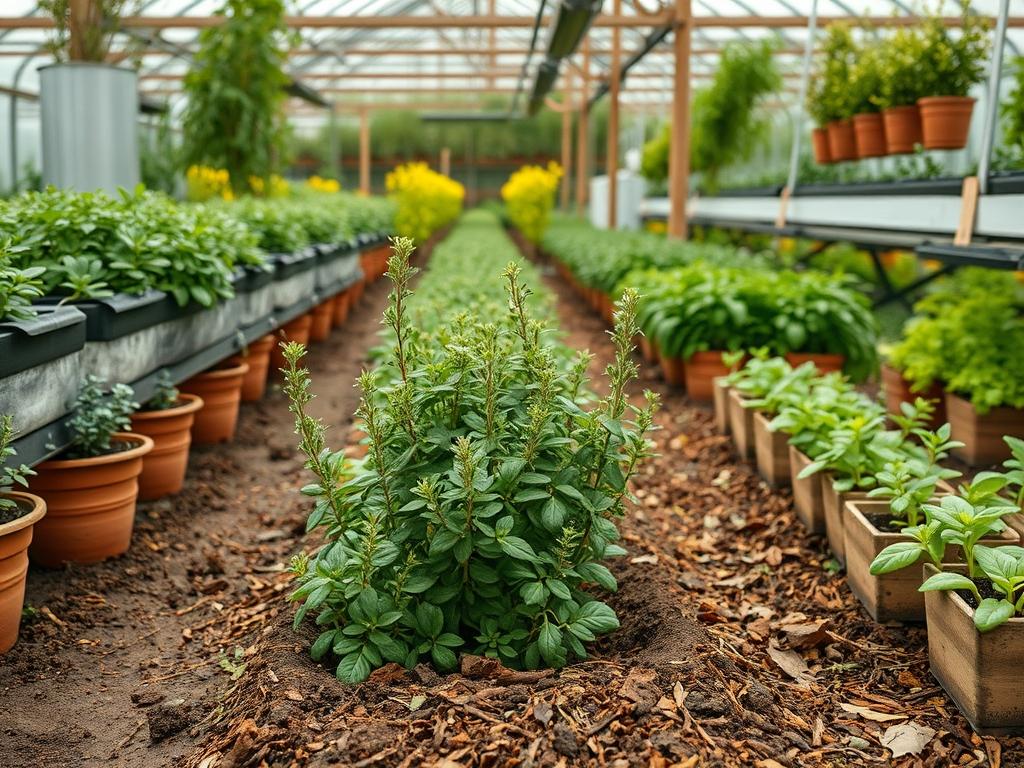
Integrating culinary function into a sophisticated landscape design requires a balance between aesthetic permanence and seasonal harvest utility. In the realm of outdoor environment planning, the inclusion of aromatic herbs like Sweet Marjoram serves a dual purpose: it acts as a soft, textural groundcover for Mediterranean themed gardens while providing fresh ingredients for high end culinary use. Architects often face the challenge of placing these delicate perennials in zones that offer both curb appeal and accessibility for the kitchen. To achieve success, one must consider the micro-climate of the residential site, specifically looking for heat sinks near retaining walls or sun-drenched corners of a flagstone patio. The ultimate goal of a well designed herb garden is to create an environment where the act of picking fresh marjoram is a seamless extension of the outdoor living experience.
Functional landscape architecture relies on the strategic placement of plants based on their growth habits and the structural needs of the property. When designing a space that prioritizes the harvest of fresh herbs, the consultant must prioritize soil drainage and sun orientation above all else. Marjoram, a close relative of oregano, thrives in environments that mimic its native Mediterranean hillsides. This means the landscape plan should incorporate elevated planting beds or sloped grading to prevent water from pooling around the root crown. A waterlogged root system is the primary cause of plant failure in high end residential landscapes. By ensuring the site has the proper topographic relief, the architect guarantees that the herb will remain vibrant and oil rich, which is essential for culinary quality.
Landscape Design Principles
Effective landscape design starts with the concept of visual balance and the creation of focal points. For a kitchen garden, symmetry can be achieved by using Sweet Marjoram as a repetitive border plant along a natural stone walkway. This repetition guides the eye through the garden and creates a sense of cohesion. Elevation layers are also vital. By placing shorter herbs like marjoram in the foreground and taller perennials like Rosemary or Lavender in the background, you create a three dimensional tapestry that feels lush and intentional.
Irrigation planning must be precise. While many landscape plants require high volume watering, marjoram is drought tolerant once established. A professional layout will often utilize a drip irrigation system with pressure compensating emitters to deliver water directly to the root zone without wetting the foliage. This reduces the risk of fungal diseases and ensures the leaves are clean and healthy when it comes time for picking fresh marjoram. Furthermore, the inclusion of hardscaped paths ensures that the gardener can access the plants for harvest even after a rainstorm without compacting the soil or getting mud on the kitchen-bound harvest.
Plant and Material Selection
| Plant Type | Sun Exposure | Soil Needs | Water Demand | Growth Speed | Maintenance Level |
| :— | :— | :— | :— | :— | :— |
| Sweet Marjoram | Full Sun | Well-Drained Loam | Low | Moderate | Low |
| Pot Marjoram | Full Sun/Partial | Sandy/Rocky | Very Low | Moderate | Low |
| Golden Marjoram | Full Sun | Light Loam | Low | Slow | Moderate |
| Wild Marjoram | Full Sun | Lean/Well-Drained | Very Low | Fast | Minimal |
| Creeping Thyme | Full Sun | Sandy | Low | Moderate | Easy |
Implementation Strategy
The implementation of a professional grade herb garden begins with site preparation and grading. The land must be pitched at a minimum 2 percent slope away from any structures to handle runoff effectively. After the rough grade is established, the architect specifies the installation of a sub-base consisting of crushed stone or coarse gravel if the existing soil is heavy clay. Soil amendment follows, where a mixture of organic compost and builders sand is tilled to a depth of 12 inches to create the ideal growing medium for aromatic herbs.
Edging is the next critical step. Using steel landscape edging or tumbled Belgian block creates a clean transition between the herb beds and the lawn or walkways. This prevent invasive grass species from encroaching on the marjoram. Once the plants are set in the ground, a 2 inch layer of shredded cedar mulch or pea gravel is applied to regulate soil temperature and suppress weeds.
When it comes to the specific task of picking fresh marjoram, the technique is actually a form of regenerative pruning. Using sharp bypass pruners or micro-tip floral snips, the harvest should take place in the early morning after the dew has evaporated but before the sun is at its zenith. This ensures the essential oils are at their highest concentration. Architects suggest harvesting the top 3 to 4 inches of the stems, making the cut just above a leaf node. This encourages the plant to branch out, resulting in a fuller, more attractive specimen in the landscape. Regular picking prevents the plant from becoming woody and leggy, which preserves the visual integrity of the garden design.
Common Landscaping Failures
One of the most frequent mistakes in herb-focused landscaping is improper drainage. If the soil remains saturated, the plant will succumb to root rot within a single season. Designers must avoid low-lying areas where water naturally collects. Another common failure is root overcrowding. While it is tempting to plant densely for immediate visual impact, Sweet Marjoram requires at least 12 to 18 inches of spacing to allow for adequate airflow. Without this clearance, powdery mildew can quickly decimate the crop.
Soil compaction is another silent killer of landscape beauty. In high traffic areas, if a walkway is not clearly defined, foot traffic will compress the soil, squeezing out oxygen and making it impossible for roots to expand. Professional plans always include designated paths to protect the planting zones. Finally, irrigation inefficiencies, such as using overhead spray heads instead of drip lines, can lead to leaf spotting and a decrease in the culinary quality of the marjoram.
Seasonal Maintenance
Spring is the season for rejuvenation. As the ground warms, the landscape manager should remove any dead wood and apply a light application of organic 5-5-5 fertilizer. This is also the best time to check the irrigation clock and ensure all emitters are functioning. During the summer, the focus shifts to moisture management and regular harvesting. Picking fresh marjoram frequently during the peak growing months will prevent the plant from bolting. If the herb begins to produce flowers, the flavor profile changes and the plant’s energy is diverted away from leaf production.
In autumn, the landscape should be prepared for dormancy. In colder climates, a thicker layer of mulch may be needed to protect the roots from frost heave. For those in USDA zones lower than 7, marjoram should be treated as an annual or moved into terracotta containers that can be overwintered indoors. Winter maintenance is minimal, focusing on ensuring the garden site remains clear of heavy snow piles that could crush the dormant stems or create ice dams that lead to winter rot.
Professional Landscaping FAQ
What is the best time of day for picking fresh marjoram?
The optimal time for harvest is the early morning, specifically after the dew has dried but before the midday heat begins. This timing ensures that the essential oils are most concentrated within the leaves, providing superior flavor for culinary use.
How do I prevent my marjoram from becoming leggy?
Regular pruning is the key to a compact, bushy plant. By consistently picking the top few inches of growth throughout the spring and summer, you stimulate lateral budding. This results in a denser appearance that enhances the garden’s visual density.
Can marjoram be used as a primary groundcover?
Yes, certain varieties of marjoram are excellent for filling gaps between stepping stones or cascading over retaining walls. Their low growth habit and aromatic foliage make them a functional and sensory alternative to traditional, non-edible groundcover species in temperate climates.
What soil pH is ideal for a culinary herb landscape?
A neutral to slightly alkaline soil, with a pH between 6.7 and 7.5, is ideal for most Mediterranean herbs. If your soil is too acidic, you can use garden lime to adjust the levels during the initial landscape implementation phase.
Should I allow my marjoram to flower?
If the primary goal is picking fresh marjoram for cooking, it is best to pinch off flower buds as they appear. Flowering can cause the leaves to become bitter. However, for a purely ornamental landscape, the small blossoms provide excellent pollinator support.