
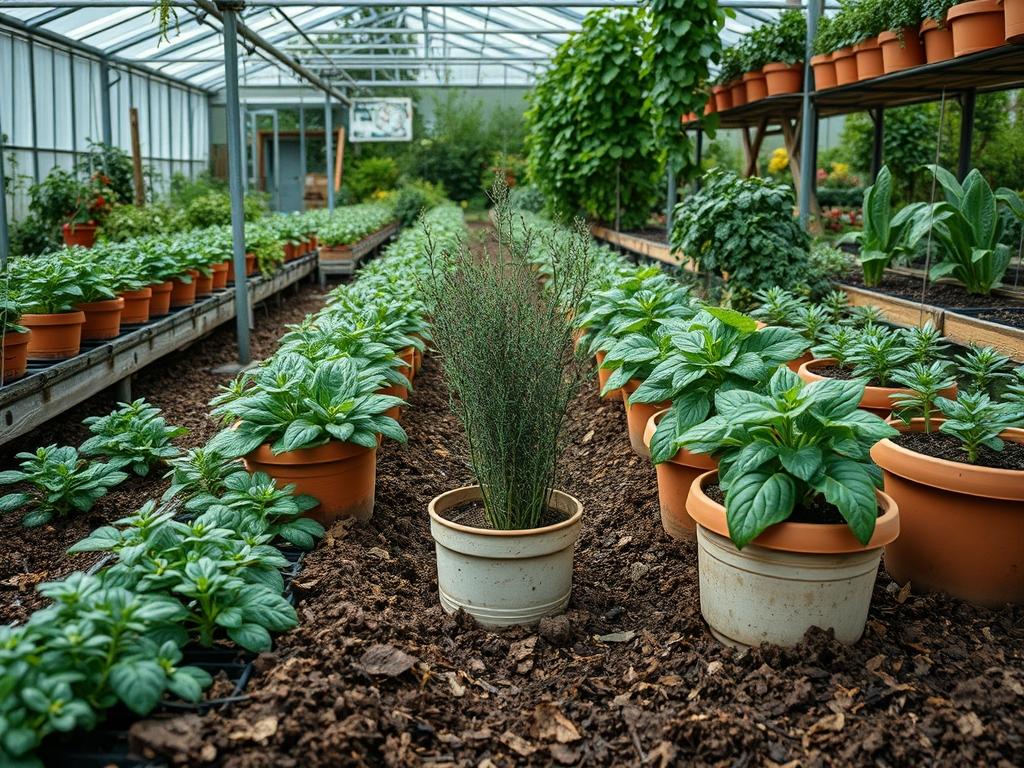
Integrating high-yield culinary herbs into a professional landscape design requires a delicate balance between aesthetic form and utilitarian function. When we consider the landscape as a holistic system, the inclusion of Summer Savory and Winter Savory serves as more than just a kitchen resource; these plants contribute to the textural diversity and structural integrity of a well-planned garden. The landscaping challenge often lies in the transition between the lush, vibrant growth of the warmer months and the starker, more structured reality of the cold season. Designing with harvest in mind elevates the garden from a static visual display to a dynamic, working environment. By strategically placing these herbs within a master plan, we address goals of curb appeal while ensuring that the outdoor space remains productive during the months when the kitchen demands the deep, peppery notes required for hearty winter stews. A successful design considers the microclimates of the property, the drainage characteristics of the soil, and how the eventual harvest will impact the visual symmetry of the beds.
Landscape Design Principles
In the realm of landscape architecture, symmetry and focal points act as the anchors for any outdoor space. When planning for a harvest-focused garden, Winter Savory provides a semi-evergreen foundation that can define the edges of walkways or serve as a low-growing hedge in a formal parterre. Its woody structure provides visual interest even in the depths of January. To achieve a professional finish, we utilize elevation layers to ensure that smaller herbs do not get lost behind larger perennials. We might place Summer Savory in the middle ground, where its delicate, airy foliage can soften the transition between sharp-edged Hardscape elements and more robust shrubs.
Effective irrigation planning is another pillar of professional design. Herbs like savory require excellent drainage to prevent root rot, especially in heavy clay environments. This necessitates a grading plan that directs water away from the root crowns. We often implement a One percent slope across the planting beds to facilitate natural runoff toward integrated drainage channels. By using Flagstone or Paver walkways, we create clear paths for the gardener to access the plants for harvesting without compacting the soil. This visual balance between the built environment and the organic growth ensures that the garden remains a sophisticated extension of the home architecture.
Plant and Material Selection
| Plant Type | Sun Exposure | Soil Needs | Water Demand | Growth Speed | Maintenance Level |
| :— | :— | :— | :— | :— | :— |
| Winter Savory | Full Sun | Sandy, well-drained | Low | Moderate | Low |
| Summer Savory | Full Sun | Rich, loamy | Medium | Fast | Moderate |
| Creeping Thyme | Full Sun | Rocky, poor soil | Low | Moderate | Low |
| Rosemary | Full Sun | Well-drained, alkaline | Low | Fast | Medium |
| Sage | Full Sun | Sandy loam | Low | Moderate | Medium |
Implementation Strategy
The process begins with a comprehensive site analysis followed by a detailed layout plan. We use a measuring tape to mark out the dimensions of the beds, ensuring that no planting area is deeper than four feet. This depth allows for the harvest of herbs from either side without the need to step into the bed, which preserves the soil structure. Grading is the next priority; we remove existing sod and amend the soil with a mixture of course sand and organic compost to reach a depth of twelve inches. This creates the ideal “Mediterranean” soil profile that savory thrives in.
Once the soil is prepared, we install steel edging to provide a clean break between the turf and the planting beds. This prevents the encroachment of grass and simplifies long-term maintenance. For the savory itself, we space Winter Savory plants approximately twelve inches apart to allow for mature spread while maintaining a cohesive look. We then apply a three inch layer of shredded cedar mulch or pea gravel. Gravel is often preferred for savory as it reflects heat back into the plant and keeps the lower stems dry, preventing fungal issues. Finally, a drip irrigation system is installed with 0.5 gallon per hour emitters placed at the base of each perennial herb to ensure precise hydration during the establishment phase.
Common Landscaping Failures
One of the most frequent errors in landscape implementation is the failure to account for drainage. If Winter Savory sits in standing water for even a few days during a heavy autumn rain, the root system can succumb to pathogens, ruining the chance for a winter harvest. This is often caused by a lack of proper grading or the use of landscape fabric that has become clogged with fine silt over time. We recommend using high-quality geotextile fabric only under hardscape, while allowing planting beds to breathe through organic mulch.
Another common failure is root overcrowding. Beginners often plant for immediate fullness, forgetting that a one gallon nursery pot will tripled in size within two seasons. This lack of spacing reduces airflow, which is critical for the essential oil production that gives savory its flavor. Furthermore, soil compaction from heavy foot traffic can suffocate the roots. If the soil becomes too dense, the plant cannot access the oxygen and nutrients needed to survive the stress of a cold winter. Lastly, irrigation inefficiencies, such as using overhead sprayers, can lead to leaf spot and other moisture-driven diseases that render the foliage unappealing for culinary use.
Seasonal Maintenance
Maintenance is a cyclical process that evolves with the weather. In the spring, we focus on clearing away any winter debris and applying a fresh layer of compost tea to stimulate new growth. This is the time to prune back any woody stems on your Winter Savory to encourage a flush of tender, flavorful leaves. As we move into summer, the fast-growing Summer Savory should be harvested frequently; cutting the top four inches of the plant prevents it from going to seed too early and keeps the flavor profile sharp.
Autumn is the critical window for Preparing for winter stew season. We begin by reducing irrigation as the plants enter dormancy. For Harvesting Garden Savory, we use sharp carbon steel shears to take significant cuttings of Winter Savory before the first hard frost. These woody sprigs are ideal for long-simmered dishes. In the winter, maintenance is minimal, but we must monitor for heavy snow loads that could crush the brittle branches of the permanent herb structures. If a deep freeze is predicted in a region with fluctuating temperatures, a temporary cover of burlap can prevent the “freeze-thaw” cycle from heaving the plants out of the ground.
Professional Landscaping FAQ
How do I harvest savory without damaging the landscape aesthetic?
Always use the “one-third” rule. Never remove more than one-third of the plant’s mass at once. Use sharp hand pruners to make clean cuts at a forty-five-degree angle just above a leaf node to encourage symmetrical regrowth.
Can I grow savory in a retaining wall?
Yes, Winter Savory is an excellent candidate for the top of a retaining wall. This provides the sharp drainage the plant requires while allowing the foliage to soften the hard lines of the stone or concrete blocks.
What is the best mulch for Mediterranean herbs?
While wood chips are popular, pea gravel or crushed granite is superior for savory. These materials do not retain moisture against the stem, they help suppress weeds effectively, and they provide a professional, clean finish to the landscape.
How do I prepare savory for winter stews?
Harvest long sprigs of Winter Savory and tie them with kitchen twine. You can use them fresh or hang them to dry in a cool, dark place. The dried leaves retain their potency remarkably well throughout the winter months.
Why is my savory losing its flavor?
Flavor is concentrated in the oils, which are most potent when the plant is grown in full sun and slightly stressed for water. Over-fertilizing with nitrogen causes rapid, watery growth that lacks the pungent punch needed for hearty recipes.