
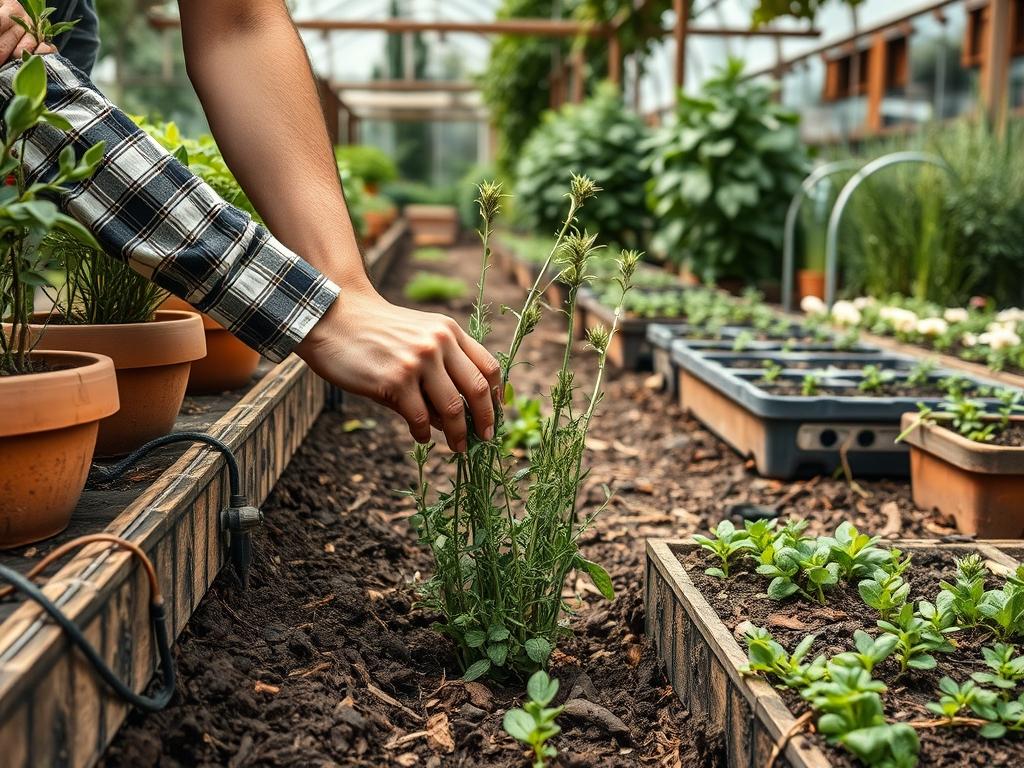
Integrating a culinary herb like French tarragon into a sophisticated landscape design requires a delicate balance between aesthetic utility and horticultural precision. Most homeowners view herbs as small potted distractions, yet the experienced architect sees them as vital texture builders within a perennial border. The primary challenge lies in the specific site requirements of the plant; French tarragon demands exceptional drainage and a specific microclimate to thrive. If the site is too damp, the roots succumb to rot. If it is too shaded, the plant loses the essential oils that define its value. Achieving high curb appeal while ensuring the harvest remains potent involves careful placement within the outdoor environment. We aim for a design that allows for picking fresh tarragon without disrupting the visual flow or symmetry of the garden beds.
Landscape functionality often dictates that edible plants be relegated to a hidden kitchen garden. However, the fine, silver-green foliage of Artemisia dracunculus var. sativa serves as an excellent transitional texture against coarser shrubs or structured hardscaping. By treating the herb as a low-lying hedge or a soft edge for a stone walkway, we elevate the garden from a simple utility space to a multisensory environment. Climate considerations are paramount, particularly in regions with high humidity or heavy clay. In these areas, the landscape must be engineered with raised elevations and amended soil structures to simulate the dry, rocky origins of the species. Success in the garden is not just about growth; it is about the quality of the yield.
Landscape Design Principles
In professional planning, we use symmetry and focal points to guide the eye through the space. French tarragon serves as a mid-ground texture plant that bridges the gap between low-creeping groundcovers and taller, architectural perennials like Russian Sage or Upright Yew. To maintain visual balance, we often plant in odd-numbered clusters, creating a rhythmic sweep along a path. This repetition provides a sense of cohesion that singular plants lack. When picking fresh tarragon, the design must provide easy access via a flagstone walkway or a defined set of stepping stones. This prevents soil compaction near the root zone, which is a common cause of plant decline in high-traffic residential landscapes.
Elevation layers are equally critical. By building a modest berm or utilizing retaining walls, we create the vertical drainage necessary for flavor intensity. A flat landscape often collects water, diluting the aromatic compounds in the leaves. Irrigation planning must reflect this; we typically install a drip irrigation system with emitters spaced 12 inches apart to deliver water directly to the soil. Avoiding overhead spray is vital. Moisture on the foliage encourages downy mildew and can physically wash away the delicate oils before the gardener can harvest the crop. A well-designed garden incorporates these technical needs into a beautiful, layered layout.
Plant and Material Selection
The following table outlines the specifications for tarragon and its common companions in a high-flavor landscape design.
| Plant Type | Sun Exposure | Soil Needs | Water Demand | Growth Speed | Maintenance Level |
| :— | :— | :— | :— | :— | :— |
| French Tarragon | Full Sun | Sandy Loam | Low | Moderate | Medium |
| Blue Fescue | Full Sun | Well-Drained | Low | Moderate | Low |
| English Lavender | Full Sun | Gritty/Alkaline | Low | Slow | Medium |
| Creeping Thyme | Full Sun/Part Shade | Rocky/Poor | Very Low | Fast | Low |
| Stonecrop | Full Sun | Succulent Mix | Minimal | Fast | Low |
For materials, we recommend a 2-inch layer of pea gravel or coarse sand as a mulch around the base of the tarragon. Unlike wood chips, which retain moisture and can cause stem rot, mineral mulches reflect heat upward into the canopy. This heat increases the concentration of estragole, the compound responsible for the herb’s signature anise flavor.
Implementation Strategy
The first step in a professional layout is grading. The site should have a 1% to 2% slope away from the home’s foundation and toward a proper drainage exit. If the natural soil is heavy clay, we excavate to a depth of 18 inches and backfill with a custom mix of 70% topsoil and 30% horticultural grit. This ensures that the water moves through the root zone quickly. Edging is then installed using steel edging or tumbled Belgian block to define the boundaries between the turf and the planting beds, providing a clean, professional finish.
When we focus on picking fresh tarragon, the harvest strategy is integrated into the maintenance path. Use bypass pruners to take cuttings from the top 4 inches of the stems. This encourages lateral growth, making the plant bushier and more attractive in the landscape. The best time for harvest is early morning after the dew has evaporated but before the sun is at its zenith. This timing ensures the highest concentration of oils. Avoid harvesting more than one-third of the plant at any single time to maintain its structural role in your garden’s visual design.
Hardscaping should complement the softscape. A natural stone patio or a decomposed granite seating area nearby allows you to enjoy the scent of the garden while also providing a stable surface for garden chores. If the area is prone to standing water, we install a French drain topped with decorative river rock to divert runoff. This technical addition prevents the roots from becoming waterlogged during heavy spring rains, preserving the flavor profile for the summer harvest.
Common Landscaping Failures
One of the most frequent mistakes is root overcrowding. While a dense planting looks good on day one, French tarragon requires air circulation to remain healthy. When plants are spaced closer than 18 inches, they compete for nutrients and airflow, leading to weak, spindly growth. Another failure is improper mulch depth. Thick layers of organic mulch can trap moisture against the crown, leading to a quick death for the plant. We prefer a “donut” style of mulching, where the material is kept at least 2 inches away from the main stem.
Irrigation inefficiency can also ruin a crop. Many homeowners use automated spray heads that run for short bursts every day. This creates a perpetually wet surface but dry subsoil, which is the opposite of what a hardy herb needs. We recommend deep, infrequent watering. Soil compaction is the final silent killer. If guests or pets frequently walk over the root zone, the oxygen is squeezed out of the soil. Incorporating decorative boulders or low boxwood hedging can act as a subtle physical barrier to prevent foot traffic in sensitive areas.
Seasonal Maintenance
In the spring, maintenance begins by removing any dead woody growth from the previous year. Once the new green shoots reach 6 inches, apply a light organic fertilizer, though avoid high-nitrogen mixes which can lead to lush but flavorless foliage. This is also the time to check your irrigation emitters for clogs. As summer progresses, the focus shifts to picking fresh tarragon regularly. Continuous light harvesting prevents the plant from flowering, which is essential because once it bolts, the leaves become bitter and the plant’s aesthetic appeal diminishes.
Autumn requires a different approach. In cooler climates, we apply a 3-inch layer of shredded leaves or straw over the root zone after the first hard frost to prevent those roots from heaving during freeze-thaw cycles. Do not cut the plant back to the ground yet; leaving the dead stalks helps protect the crown from the cold. In the winter, the primary goal is ensuring the site does not sit in standing water. If your landscape shows signs of pooling, you may need to adjust the grading or add additional drainage pipes before the next growing season begins.
Professional Landscaping FAQ
What is the best way to improve drainage for tarragon?
Incorporate horticultural grit or perlite into the soil at a depth of 12 inches. Building raised beds with stone masonry or pressure-treated timber also provides an effective solution for elevated drainage and root health.
How do I prevent my tarragon from looking leggy?
Regularly prune the tips of the stems during the growing season. This technique, essential when picking fresh tarragon, forces the plant to distribute growth hormones to lower nodes, resulting in a denser, more attractive shrub-like appearance.
Can I grow French tarragon in a containers?
Yes, use a terracotta pot at least 12 inches in diameter to allow for root expansion. Terracotta is porous, which helps the soil dry out faster than plastic, mimicking the plant’s natural Mediterranean environment.
Which plants make the best aesthetic companions?
Pair tarragon with Silver Mound Artemisia for color harmony or Purple Sage for a bold contrast. The varying leaf shapes and colors create a professional, layered look while sharing similar water and light requirements.
How often should I divide my tarragon plants?
Plan to divide the root ball every 3 to 4 years using a spade. This rejuvenates the plant, prevents center die-back, and ensures that the flavor remains potent for your culinary needs.