
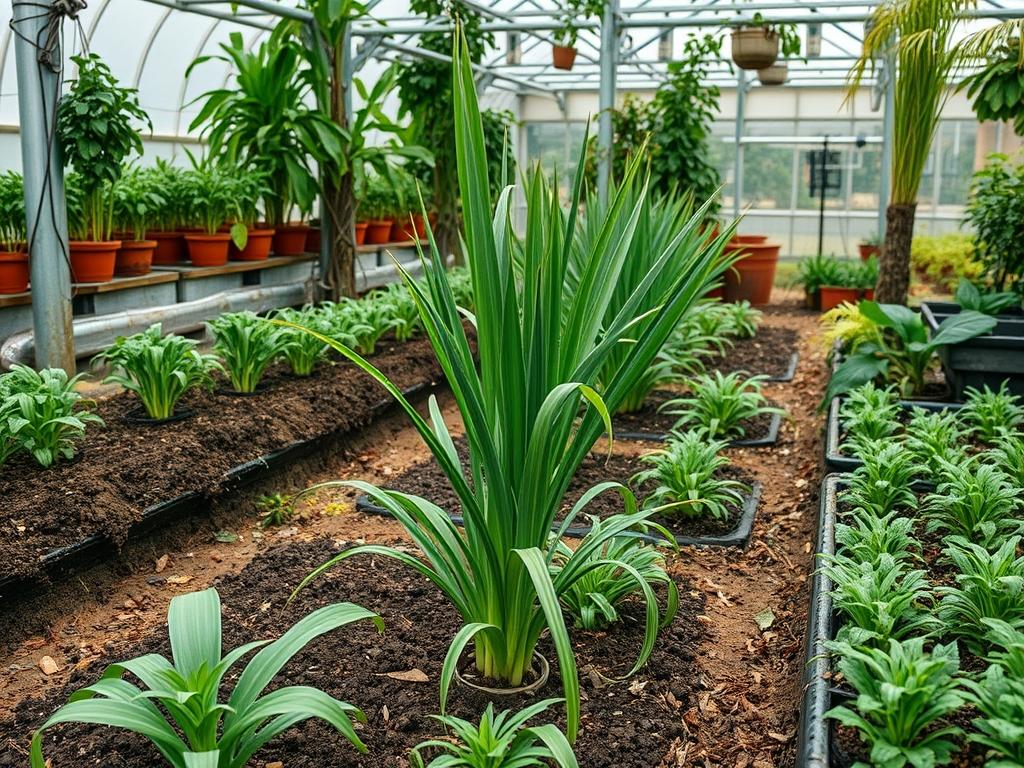
Integrating Lemongrass (Cymbopogon citratus) into a professional landscape design offers a unique intersection of ornamental beauty and culinary utility. From a landscape architect’s perspective, this perennial grass provides a striking vertical element characterized by its fountain-like habit and vibrant green foliage. It serves as a structural backbone in tropical or Mediterranean themed gardens, yet its requirements for thriving are specific to its native climate. The primary challenge for many property owners lies in balancing the aesthetic role of the plant with the functional necessity of harvesting. A poorly managed harvesting schedule can leave the specimen looking tattered or sparse, negatively impacting the curb appeal of a residential or commercial frontage. Conversely, a well-executed plan ensures that the plant remains a lush, dense focal point while providing a steady supply of flavorful stalks. Success begins with understanding the site conditions. Because this species is hardy primarily in USDA zones 9 through 11, those in cooler climates must treat it as an annual or manage it within large, movable polypropylene planters. Properly integrated, it acts as a soft screen that masks utility boxes or provides a transitional layer between rigid hardscapes and fluid flower beds.
Landscape Design Principles
When planning a layout that incorporates Lemongrass, the principles of symmetry and focal point placement take center stage. Because the plant can reach a height of 4 to 6 feet with a similar spread, it is rarely used as a foreground element. Instead, designers utilize it in the mid-ground to create a sense of depth. Its fine-textured leaves contrast beautifully against broad-leafed plants like Hostas or Canna Lilies. By placing these grasses in a symmetrical pattern along a flagstone walkway, you create a rhythmic alleyway effect that guides the eye toward a distant focal point, such as a water feature or an architectural sculpture.
Elevation plays a critical role in the visual impact of the garden. Utilizing raised beds or terraced retaining walls allows the weeping foliage of the grass to spill over edges, softening the harsh lines of stone masonry. This elevation also serves a practical purpose; it improves air circulation around the base of the stalks, which is vital for preventing fungal issues in humid environments. Furthermore, the strategic use of negative space around each clump ensures the architectural silhouette of the plant is visible. Without sufficient spacing, the landscape becomes a chaotic thicket rather than a curated environment. Irrigation lines must be planned concurrently with the planting layout. A buried drip irrigation system is the professional standard here, delivering moisture directly to the root zone without wetting the foliage, which can lead to leaf spot or rust.
Plant and Material Selection
The following table outlines the technical specifications for selecting and pairing plants within a professional lemongrass-centered landscape.
| Plant Type | Sun Exposure | Soil Needs | Water Demand | Growth Speed | Maintenance Level |
| :— | :— | :— | :— | :— | :— |
| Lemongrass | Full Sun | Rich, well-draining | High | Fast | Moderate |
| Citronella Grass | Full Sun | Sandy loam | Moderate | Fast | Low |
| Vetiver | Full Sun | Deep, moist soil | High | Moderate | Low |
| Rosemary | Full Sun | Gritty, alkaline | Low | Moderate | Low |
| Lantana | Full Sun | Well-drained | Moderate | Fast | Moderate |
Implementation Strategy
Developing a professional backyard layout requires a systematic approach to site preparation. Before the first Lemongrass plant is set in the ground, grading must be addressed. Ensure the site slopes away from building foundations at a minimum 2 percent grade to facilitate proper drainage. If the soil is heavy clay, incorporate a significant amount of sand and organic compost to prevent root rot.
For the installation, mark the centers of your planting holes at least 3 feet apart. Dig each hole twice as wide as the root ball but no deeper. This ensures the crown of the plant sits slightly above the surrounding soil level, a technique used to prevent water from pooling at the base. Once the plants are positioned, install an aluminum edging or steel landscape border to maintain a clean line between the grass and adjacent lawn or mulch areas.
Apply a 3 inch layer of hardwood mulch over the entire bed, but keep the material a few inches away from the actual stalks. This mulch layer serves three purposes: it suppresses weeds, retains necessary moisture, and adds a finished, professional appearance to the site. If the design includes low-voltage landscape lighting, place uplights at the base of the grass clumps. This creates dramatic shadows and highlights the movement of the blades in the evening breeze, extending the garden’s functionality into the night.
Common Landscaping Failures
The most frequent mistake in managing these grasses is improper drainage. Because Lemongrass requires consistent moisture, many homeowners over-saturate the soil without providing a way for excess water to escape. This leads to soil compaction and anaerobic conditions, eventually killing the root system. Professionals solve this by installing French drains or using perforated pipes wrapped in filter fabric in low-lying areas.
Another failure is root overcrowding. In a high-performance landscape, plants are often spaced too closely to achieve an immediate full look. However, within two seasons, the Lemongrass will outgrow its footprint, encroaching on walkways and smothering smaller companion plants. This overcrowding reduces the quality of the stalks intended for harvesting and makes the task of Harvesting Garden Lemongrass difficult and messy. Furthermore, neglect of irrigation zones often causes uneven growth. If one side of a symmetrical planting receives more water than the other, the visual balance of the entire landscape is compromised. Finally, failing to sharpen pruning shears or serrated knives leads to jagged cuts that invite pathogens. Always use clean, sharp tools to ensure the health of the remaining plant material.
Seasonal Maintenance
Seasonal management is the key to a long-lived and productive landscape. In the spring, once the threat of frost has passed, remove any brown, dead foliage from the previous winter. This is the optimal time to apply a high-nitrogen organic fertilizer to jump-start the growth phase. If the clumps have become too large, use a sharp spade to divide the root mass, replanting the vigorous outer sections and discarding the woody center.
During the summer months, the focus shifts to moisture management and harvesting. To maintain the aesthetic of the plant while harvesting, always select mature stalks from the outer edge of the clump. Pull the stalk firmly downward and away from the center, or use a knife to cut it below the soil line. This “thinning” method allows the plant to maintain its rounded shape while encouraging new growth from the middle.
In autumn, reduce watering as the plant’s metabolic rate slows. For those in Zone 8, prepare for winter by cutting the foliage back to 6 inches and covering the crown with a thick layer of straw or pine needles. In colder regions, the stalks should be harvested entirely or the individual divisions moved into a greenhouse or indoor environment. Winter maintenance involves checking for pests like spider mites if the plants are kept indoors, ensuring they survive to be replanted the following spring.
Professional Landscaping FAQ
How do I harvest the stalks without ruining the look of the plant?
Always harvest from the outermost perimeter of the clump. Reach down near the base and use a twisting pull motion or a sharp blade. This selective thinning maintains the overall fountain-like silhouette and prevents the “hacked off” look of top-pruning.
What is the best soil amendment for producing thick stalks?
Incorporate aged cow manure or mushroom compost into the top 6 inches of soil before planting. These materials provide the high nitrogen levels required for rapid leaf and stalk development while improving the soil’s ability to hold moisture without becoming waterlogged.
Can lemongrass be used for erosion control on a slope?
Yes, its extensive and fibrous root system makes it an excellent candidate for stabilizing slopes. When planted in staggered rows, the roots bind the soil together, while the dense foliage slows the velocity of surface runoff during heavy rain events.
Why are my lemongrass leaves turning purple or red?
This discoloration usually indicates a phosphorus deficiency or environmental stress from cold temperatures. Ensure your soil pH is between 6.0 and 7.0. If the weather is warm and the soil is balanced, apply a bone meal supplement to the roots.
How often should I replace the mulch in my lemongrass beds?
Refresh the wood chip mulch or shredded bark once a year, typically in the spring. As the old mulch decomposes, it adds organic matter to the soil. Maintaining a consistent 3 inch depth is vital for moisture regulation and weed suppression.