
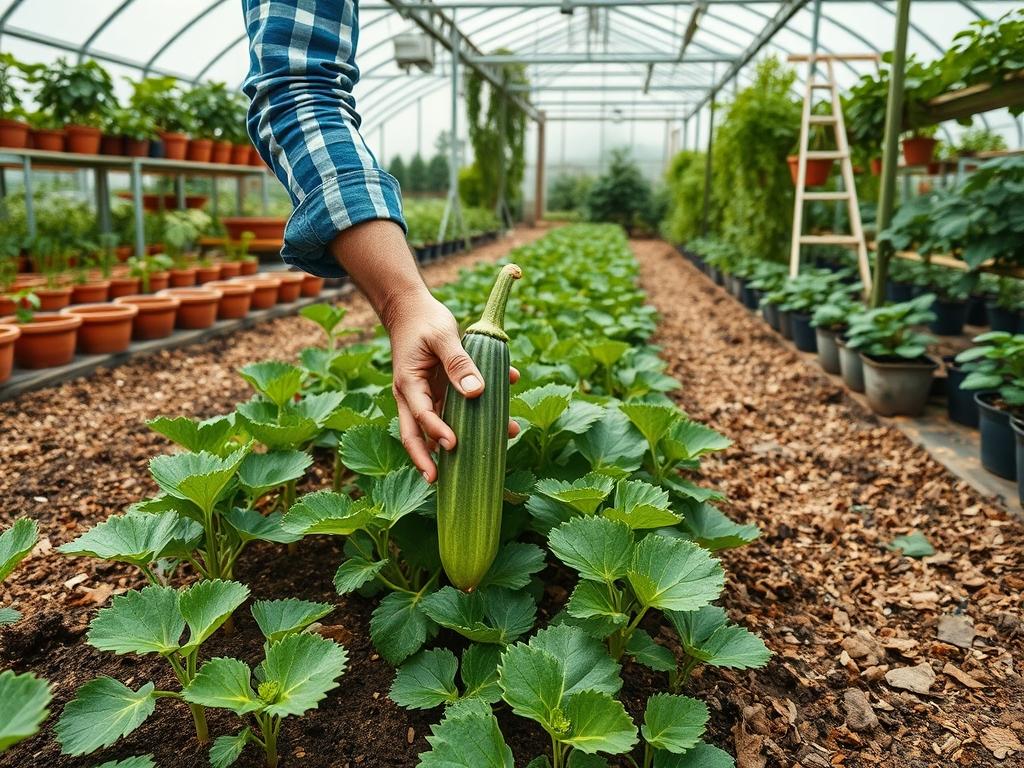
Developing a high-performance edible landscape requires more than just aesthetic intuition; it demands a rigorous understanding of plant physiology and maintenance cycles. In many temperate and subtropical climates, the integration of Abelmoschus esculentus, commonly known as okra, presents a unique design challenge that bridges the gap between ornamental beauty and agricultural productivity. While many homeowners select plants based solely on their visual contribution to curb appeal, the landscape architect must consider the functional lifecycle of the species. Picking fresh okra every two days is not merely a harvesting preference; it is a vital maintenance protocol that preserves the structural integrity and visual vibrance of the garden. If pods are allowed to mature beyond this forty-eight-hour window, the plant shifts its metabolic energy from foliage and flower production to seed maturation. This transition results in a decline in aesthetic quality, as the plant becomes woody, the leaves may yellow, and the overall architectural form degrades.
Landscape Design Principles
Integrating okra into a formal or semi-formal landscape requires a keen eye for symmetry and focal points. Because okra can reach heights of 4 to 6 feet, it serves as an excellent mid-to-background layer in a tiered planting bed. We often utilize its bold, tropical-looking foliage and hibiscus-like cream flowers to provide texture against more delicate-leaved perennials. The architectural silhouette of the plant allows it to function as a temporary summer hedge, creating privacy or defining outdoor “rooms” within a backyard layout.
When planning the site, elevation and drainage are paramount. Okra requires exceptional drainage to prevent root rot, particularly in regions with heavy clay soils. We often design raised planting beds or utilize retaining walls to elevate the root zone and ensure optimal oxygenation of the soil. Furthermore, the necessity of picking fresh okra every two days dictates the placement of walkways. To maintain high-end curb appeal, harvesting should not require trampling through mulch or soil. We incorporate stabilized gravel paths or natural stone pavers that allow easy access to every plant without compacting the soil or disrupting the visual balance of the mulch line. Irrigation must also be planned with precision. Drip irrigation systems, installed beneath a 3-inch layer of hardwood mulch, deliver water directly to the root zone, minimizing leaf moisture and reducing the risk of fungal pathogens like powdery mildew.
Plant and Material Selection
The following table outlines the key species and materials utilized in a professional edible landscape design focusing on productivity and aesthetics.
| Plant Type | Sun Exposure | Soil Needs | Water Demand | Growth Speed | Maintenance Level |
| :— | :— | :— | :— | :— | :— |
| Abelmoschus esculentus | Full Sun (8+ hours) | Well-drained, pH 6.0-7.0 | Moderate | Fast | High (Daily Monitoring) |
| French Marigold | Full Sun | Loamy, fertile | Moderate | Medium | Low |
| Sweet Potato Vine | Full/Partial Sun | Moist, rich soil | High | Very Fast | Medium |
| Zinnia Elegans | Full Sun | Well-drained, fertile | Low to Moderate | Fast | Low |
| Drip Irrigation Kit | N/A | Sub-surface install | Efficient | N/A | Annual Check |
| Hardwood Mulch | N/A | 2-3 inch depth | N/A | N/A | Bi-annual Refresh |
Implementation Strategy
The process begins with professional grading to ensure water moves away from the foundation of the home while also preventing standing water in the planting zones. We specify a soil amendment strategy that includes composted organic matter and a balanced 10-10-10 fertilizer to prepare the site for high-demand crops. Once the grading is complete, we install steel or heavy-duty plastic edging to create a sharp, clean transition between the turf and the garden beds. This prevents grass encroachment and defines the architectural footprint.
Spacing is the next critical factor. For okra to thrive and remain accessible for its frequent harvest cycle, we space plants 18 to 24 inches apart. This allows for adequate air circulation, which is vital in humid climates. When the plants reach approximately 12 inches in height, we apply the aforementioned mulch to regulate soil temperature and suppress weeds. Because picking fresh okra every two days requires frequent entry into the garden, we suggest using long-handled snips or bypass pruners to harvest the pods. This tool selection is important; pulling or snapping the pods by hand can damage the main stalk, leading to structural instability and increased vulnerability to pests.
Common Landscaping Failures
The most frequent error in edible landscaping is the failure to maintain a consistent harvest schedule. When pods are left on the stalk for four or five days, they become fibrous and “woody.” Beyond the culinary loss, the plant perceives that its reproductive mission is complete. It slows the production of new flowers, and the overall plant vigor declines. From a design perspective, this leads to a “lanky” appearance and a loss of the lush, green backdrop that the architect intended.
Another failure involves poor irrigation management. Overhead watering, especially in the evening, creates a microclimate conducive to rust and leaf spot. These diseases can quickly defoliate an entire row of okra, leaving the landscape looking skeletal and neglected. Soil compaction is a third common issue. If the design does not include designated paths, the mechanical force of walking to harvest pods every forty-eight hours will compress the soil. This compaction prevents water infiltration and stunts root growth, ultimately killing the plant. Avoiding these pitfalls requires a design that prioritizes both the needs of the plant and the movements of the gardener.
Seasonal Maintenance
Landscape management is a year-round commitment. In the spring, the focus is on soil preparation and the installation of warm-season transplants once the soil temperature reaches a consistent 65 degrees Fahrenheit. This is the time to inspect irrigation lines for leaks and ensure that the previous year’s mulch has not decomposed into a compact mat.
During the peak summer months, the primary task is the harvest. Picking fresh okra every two days ensures the plants remain in a state of constant production. This is also the time for supplemental fertilization with a high-potassium liquid feed to support flower development. As the season transitions into autumn, we begin the process of “cutting back.” If the okra stalks become too tall for easy access, they can be topped to encourage lateral branching. Once the first frost hits, the plants must be removed entirely. Unlike woody perennials, okra will not recover from a hard freeze. The stalks should be pulled, and the site should be prepped with a winter cover crop or a fresh layer of mulch to prevent erosion. In winter, the architect reviews the performance of the landscape, noting which varieties provided the best visual density and planning for any necessary hardscape repairs or soil amendments before the cycle begins again.
Professional Landscaping FAQ
Why is the two-day harvest cycle so critical for the plant?
Okra is a fast-growing annual. Rapid fruit development signals the plant to stop flowering if pods mature too far. Frequent picking keeps the plant in its reproductive phase, ensuring a continuous supply of beautiful flowers and green foliage.
What tools are best for maintaining a clean garden look?
Use bypass pruners for clean cuts on pods and hand-held hoes for weeding between rows. Clean tools prevent the spread of pathogens and ensure the plant stalks are not bruised or broken during the highly frequent harvest visits.
Can okra be used as a privacy screen?
Yes. When planted in dense rows with 18-inch spacing, okra creates a lush vertical screen. However, you must maintain the two-day harvest to ensure the foliage remains thick and vibrant enough to provide an effective visual barrier.
Does mulch depth impact the plant’s health?
A depth of 2 to 3 inches is ideal. Too little mulch allows weeds to compete for nutrients; too much can trap excessive moisture against the stem, leading to crown rot. Consistent mulch also protects the soil from compaction during harvests.
How do I handle drainage in heavy clay soils?
Install a French drain or create raised mounds for each plant. Elevating the root crown by 4 to 6 inches above the surrounding grade ensures that heavy rains do not suffocate the roots, which is essential for vigorous summer growth.