
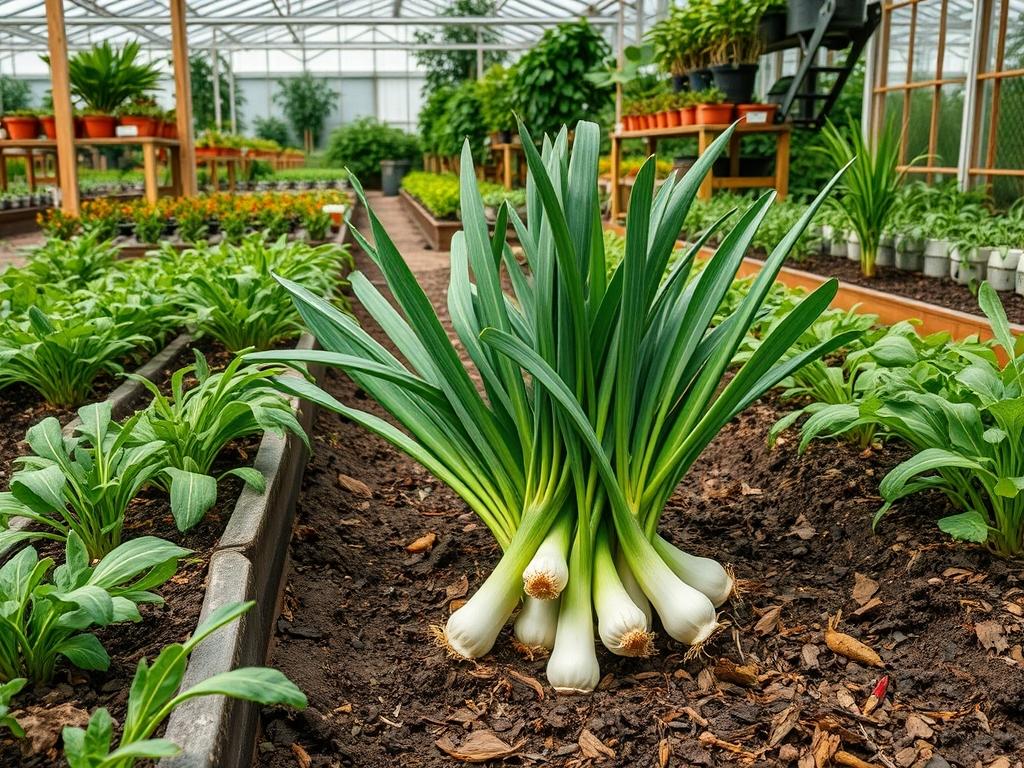
The integration of edible crops into a formal residential landscape requires a sophisticated understanding of both aesthetic structure and seasonal transitions. As the vibrant greens of summer begin to fade into the muted palette of late autumn, the architectural silhouette of the garden takes center stage. Harvesting Garden Leeks represents a pivotal moment in the seasonal cycle where the gardener must balance the practical necessity of food production with the preservation of curb appeal. In high-end landscape design, leeks are often utilized for their verticality and bluish gray foliage, serving as a structural bridge between lower groundcovers and taller woody perennials. However, the process of extraction can be disruptive to the soil and the visual continuity of the garden beds. A successful design anticipates these disruptions by incorporating robust edging, permanent hardscaping, and evergreen backdrops that maintain the site’s professional appearance even after the harvest is complete.
The challenge of late autumn gardening lies primarily in soil management and site accessibility. As temperatures drop and precipitation patterns shift toward winter saturation, the physical act of harvesting can lead to significant soil compaction if the landscape is not properly planned. Implementing a series of raised beds or deeply amended borders allows for better drainage and easier access. By viewing the leek not merely as a vegetable but as a structural component of the outdoor living space, we can create environments that are both productive and visually striking. The goal is to ensure that the removal of these plants during the final months of the year does not leave the landscape looking scarred or neglected. Instead, the harvest becomes a clean, orderly transition that prepares the ground for winter dormancy while maintaining the functional integrity of walkways and drainage systems.
Landscape Design Principles
Effective landscape design relies on the core principles of symmetry and focal points to guide the eye through the environment. When planning a garden that includes leeks, we must consider the plant’s long growth cycle. Because leeks remain in the ground for several months, they should be positioned where their upright form can provide a consistent texture. Symmetry is often achieved by planting leeks in a grid pattern or as a formal border along a gravel walkway. This creates a sense of intentionality and discipline within the garden. A focal point, such as a stone plinth or a sculptural water feature, can be used to anchor the space, ensuring that even as plants are harvested, the primary architectural interest remains intact.
Elevation layers are equally critical in a professional landscape layout. Leeks occupy the middle tier of a planting scheme, standing between low-growing herbs like Thyme and taller structural shrubs like Yew. By Layering plants based on height, we create a sense of depth and visual complexity. This layering also aids in irrigation planning. Grouping plants with similar water requirements allows for more efficient use of drip irrigation systems, reducing runoff and ensuring that moisture reaches the deep root zones of the leeks without overwatering surrounding drought tolerant species. Furthermore, clear pathways should be defined using natural stone pavers or crushed granite to prevent soil compaction in the beds during the autumn harvest. A well-designed walkway ensures the landscape consultant or homeowner can navigate the space comfortably in inclement weather.
Plant and Material Selection
Selecting the right cultivars and materials is essential for a landscape that performs well year-round. The table below outlines the specific requirements for plants that complement the late-season harvesting cycle.
| Plant Type | Sun Exposure | Soil Needs | Water Demand | Growth Speed | Maintenance Level |
| :— | :— | :— | :— | :— | :— |
| Allium porrum (Leeks) | Full Sun | Rich, Loamy | Moderate | Slow | Low |
| Buxus sempervirens (Boxwood) | Part Shade | Well-Drained | Moderate | Slow | Medium |
| Brassica oleracea (Kale) | Full Sun | Nitrogen Rich | High | Medium | Low |
| Thymus vulgaris (Thyme) | Full Sun | Sandy, Dry | Low | Fast | Low |
| Ilex crenata (Japanese Holly) | Full Sun/Part Shade | Acidic | Moderate | Slow | Medium |
| Salvia officinalis (Sage) | Full Sun | Well-Drained | Low | Medium | Low |
In addition to plant selection, the materials used for hardscaping play a vital role in the garden’s functionality. For late autumn harvests, landscape fabric should be avoided in planting areas where digging occurs, as it interferes with the extraction of root crops. Instead, high-quality organic mulch, such as shredded cedar or pine bark, should be used to protect the soil surface and suppress weeds. These materials decompose over time, improving soil structure and providing a clean aesthetic that complements the dark greens and grays of autumn foliage.
Implementation Strategy
A successful implementation starts with precise grading and site preparation. For a garden focused on late-season production, the beds must be slightly elevated, roughly 6 to 8 inches above the surrounding grade, to facilitate superior drainage. This prevents the leeks from sitting in stagnant water during the heavy rains of November. Once the grading is established, define the boundaries with steel edging or pressure-treated timber. This creates a crisp line between the planting beds and the lawn or walkways, which is essential for maintaining curb appeal after the harvest.
When it is time for Harvesting Garden Leeks, the strategy revolves around minimal soil disturbance. Use a garden fork or a spade to gently loosen the earth at least 4 inches away from the base of the plant. This prevents damage to the long, blanched stalks. In a professional layout, always harvest from the center of the grouping toward the edges to maintain a balanced look as the season progresses. After the leek is removed, the resulting void should be immediately filled with compost and leveled. Apply a fresh layer of mulch, approximately 3 inches deep, to protect the exposed soil from erosion and to maintain a tidy appearance for the winter months. If the area is to remain fallow until spring, consider a decorative willow hurdle or low trellis to occupy the visual space.
Common Landscaping Failures
One of the most frequent mistakes in garden planning is the neglect of proper drainage. This is particularly catastrophic for leeks, as their deep-set stems are prone to rot in anaerobic conditions. Without a slight slope or a French drain system in low-lying areas, the late autumn soil becomes a slurry of mud, making a clean harvest nearly impossible. Another common failure is root overcrowding. While a dense planting looks beautiful in mid-summer, leeks require at least 6 inches of spacing to develop thick, marketable stems. Overcrowding blocks airflow and encourages fungal pathogens that can destroy the crop just weeks before the final harvest.
Soil compaction is another silent killer of landscape functionality. Often, gardeners step directly into the beds to reach their plants, crushing the delicate soil structure and destroying the pore spaces necessary for oxygen exchange. This is why a network of stepping stones or permanent access paths is non-negotiable in a professional design. Furthermore, irrigation inefficiencies often stem from a “one size fits all” approach. Watering leeks with the same frequency as established woody shrubs leads to either parched vegetables or overwatered ornamentals. Implementing separate irrigation zones with dedicated timers ensures that each section of the landscape receives the precise amount of hydration required for its specific biological needs.
Seasonal Maintenance
Landscape management is a year-round commitment that adapts to the changing needs of the environment. In the spring, the focus is on soil preparation and installation. This is the time to incorporate well-rotted manure and balanced fertilizer into the beds. Ensure that all irrigation lines are checked for leaks and that the grading remains consistent after winter settling. Summer maintenance focuses on moisture retention and aesthetic grooming. Constant monitoring of the mulch depth and the removal of any competing weeds will ensure that the leeks grow steadily and the garden remains a pristine visual asset.
Autumn is the most active season for the edible landscape architect. As the harvest begins, it is vital to keep the garden clean of debris. Yellowing foliage should be pruned away to prevent the spread of disease. Once the leeks are harvested, the focus shifts to winterization. This involve applying a final layer of protective mulch and ensuring that all perennial shrubs are properly staked against winter winds. During the winter months, the landscape serves as a skeletal framework. Maintenance is minimal; however, it is the perfect time to review the previous year’s successes and failures. Checking the integrity of retaining walls and hardscape joints during the dormant season allows for repairs before the spring growth flush begins.
Professional Landscaping FAQ
What is the best tool for harvesting leeks without damaging the landscape?
A long-handled garden fork is the ideal tool. It allows you to leverage the plant upward by loosening the soil from beneath the root mass, which minimizes surface disruption and keeps the surrounding mulch and edging intact.
How do I prevent mud from ruining my walkways during an autumn harvest?
Install a base of compacted crushed stone or permeable pavers. These surfaces allow water to drain through rather than pooling on top. Keeping a stiff-bristled broom nearby for immediate cleanup will preserve the professional look of the site.
Should I remove all the leeks at once in late autumn?
No, leeks are remarkably cold-hardy. You can stagger the harvest into early winter by protecting them with a thick layer of straw or leaf mold. This approach maintains the garden’s visual density for a longer period.
How can I improve drainage in heavy clay soil for better leek growth?
Incorporate significant amounts of coarse sand and organic compost into the planting beds. For severe cases, installing a perforated drain pipe surrounded by drainage gravel beneath the bed will effectively divert excess groundwater away from the root zones.
What should I plant in the gaps left after the leek harvest?
To maintain curb appeal, fill the voids with evergreen boughs or small potted conifers. Alternatively, a clean layer of dark wood mulch creates a minimalist, intentional look that signals the garden has been professionally put to bed for the season.