
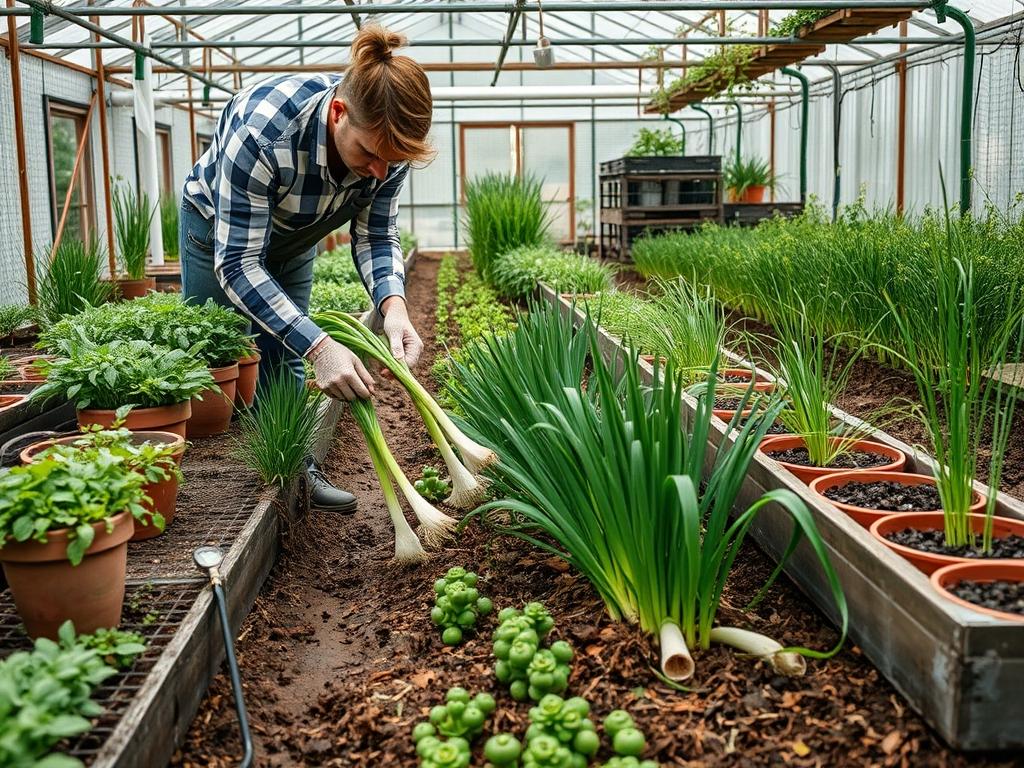
Integrating functional edible elements into a high-end landscape requires a sophisticated understanding of microclimates, soil physics, and aesthetic symmetry. While many homeowners view the vegetable garden as a separate, utilitarian entity, a senior landscape architect approaches the cultivation of Allium fistulosum, or the common scallion, as a structural opportunity. Picking fresh scallions for garnish is not merely a culinary task; it is the final stage of a multi-month design lifecycle that begins with site grading and ends with a sustainable harvest. To achieve the best results, one must consider how the garden layout influences the physical quality of the plant. A well-designed kitchen garden, or potager, balances curb appeal with the pragmatic needs of the chef, ensuring that the act of harvesting is integrated into the daily flow of outdoor living.
Proper site selection is the cornerstone of a successful edible landscape. When we analyze a property for a client, we look at solar orientation and the prevailing wind patterns that might affect delicate stems. Scallions thrive in positions that receive at least 6 hours of full sunlight, yet they require protection from the harsh desiccation of late afternoon heat. By placing these plants near a natural stone retaining wall, we can utilize the thermal mass of the stone to stabilize soil temperatures during the shoulder seasons. This design choice extends the harvesting window, allowing for the picking of fresh scallions well into the autumn months. Furthermore, the elevation of the planting bed is critical. Raising the soil surface by 12 inches using a cedar timber frame or stacked masonry reduces the physical strain on the user. Ergonomic accessibility is a hallmark of professional landscape architecture, making the routine task of gathering garnishes a seamless experience rather than a chore.
Landscape Design Principles
In the realm of professional garden planning, symmetry and focal points define the visual success of a space. When incorporating scallions, we often use them as a “living border” to define the edges of walkways or to frame larger perennial installations. Their vertical growth habit provides a clean, architectural line that contrasts beautifully with the soft, spreading textures of herbs like thymus polytrichus. To maintain visual balance, we employ the principle of layering. This involves placing lower-growing edible greens in the foreground, with mid-sized scallion clusters providing a structural mid-layer, and taller flowering plants or trellised vines forming the backdrop.
Irrigation planning is equally vital to the design framework. For a harvest-focused landscape, we typically install drip irrigation lines buried 2 inches beneath the mulch layer. This delivery system ensures that moisture reaches the root zone without wetting the foliage, which significantly reduces the risk of fungal pathogens. When the irrigation is mapped correctly, the plants develop consistent, turgid stems that are much easier to handle when you are picking fresh scallions. A dedicated irrigation controller can be programmed to provide deep, infrequent watering, which encourages the roots to grow deeper into the loamy soil. This creates a more resilient plant that can withstand the minor stresses of repeated harvesting.
Plant and Material Selection
| Plant Type | Sun Exposure | Soil Needs | Water Demand | Growth Speed | Maintenance Level |
| :— | :— | :— | :— | :— | :— |
| Allium fistulosum | Full Sun | Sandy Loam | Moderate | Fast | Low |
| Rosmarinus officinalis | Full Sun | Well-Drained | Low | Moderate | Low |
| Lavandula angustifolia | Full Sun | Alkaline/Gritty | Low | Moderate | Medium |
| Petroselinum crispum | Partial Shade | Rich Organic | High | Moderate | Medium |
| Ocimum basilicum | Full Sun | Moist/Fertile | High | Very Fast | High |
Implementation Strategy
The transition from a blueprint to a functional garden bed involves careful preparation of the physical environment. Before any planting occurs, the site must be graded to ensure a 2 percent slope away from the home foundation or any permanent hardscaping. This prevents water from pooling around the base of the scallions, which would lead to root rot. Once the grade is established, we define the planting area with steel edging or cobblestone borders to create a crisp transition between the turf and the garden.
The substrate itself is a critical material choice. We recommend a blend of 40 percent compost, 40 percent topsoil, and 20 percent coarse sand. This mixture provides the necessary drainage while retaining enough nutrients to support rapid regrowth after picking fresh scallions. After the soil is leveled, we apply a 3-inch layer of shredded hardwood mulch or pine straw. This mulch acts as an insulating blanket, suppressing weed growth and maintaining the moisture levels required for the plants to produce the tender, succulent whites and crisp greens sought for high-end garnishes. When actually picking the scallions, a hori-hori knife or a pair of precision bypass shears should be used. Using the correct tools prevents tearing the delicate root system of the neighboring plants, ensuring a continuous supply of greens throughout the growing season.
Common Landscaping Failures
One of the most frequent mistakes in residential landscapes is the failure to account for soil compaction. When high-traffic areas are designed too close to planting beds without proper walkway delineation, the soil becomes dense and anaerobic. Scallions growing in compacted soil will have stunted, woody stems that are unusable for garnish. Another common issue is improper spacing. For an optimal harvest, scallions should be spaced approximately 2 to 3 inches apart. Overcrowding leads to competition for nutrients and poor air circulation, which invites pests such as thrips or onion maggots.
Irrigation inefficiency also ranks high among landscaping failures. Overhead sprinklers often mist the foliage rather than soaking the soil, leading to rapid evaporation and inconsistent plant growth. If the water delivery is uneven, some plants will be too tough to harvest while others are waterlogged. Furthermore, many enthusiasts forget to refresh their mulch annually. As organic mulch decomposes, it can temporarily tie up nitrogen in the soil, so a professional consultant will always recommend a light application of nitrogen-rich organic fertilizer to compensate during the spring refresh.
Seasonal Maintenance
Managing an edible landscape requires a proactive approach that changes with the calendar. In the spring, the focus is on soil preparation and the installation of new starts. This is the time to check the pH levels of your beds; scallions prefer a slightly acidic to neutral range of 6.0 to 7.0. Clear away any debris from the winter and ensure that the drainage grates are free of obstructions to handle the spring rains.
During the summer months, the primary goal is moisture management. As temperatures rise, the rate of evapotranspiration increases. This is the peak time for picking fresh scallions, so maintaining a consistent watering schedule is paramount. In autumn, as the growth rate slows, we focus on “tucking in” the garden. This involves adding a fresh layer of mulch and perhaps installing a low tunnel or cold frame over the scallion rows to protect them from the first frost. In winter, maintenance is largely observational. We monitor for frost heave and plan the next season’s crop rotation to ensure the soil remains vibrant and productive. By following these professional management cycles, the landscape remains both a visual asset and a productive source of fresh culinary components.
Professional Landscaping FAQ
What is the best way to extract a scallion without damaging nearby plants?
Use a small hand trowel or hori-hori knife to loosen the soil at a 45-degree angle. Gently lift the entire root ball or cut the stem 1 inch above the soil line to allow for rapid regeneration.
How does drainage impact the flavor and texture of my garnish?
Proper drainage, achieved through coarse sand amendments or French drains, prevents the accumulation of anaerobic bacteria. Well-drained soil produces a crisper, sweeter stem, whereas waterlogged soil often results in a bitter, sulfurous flavor profile and mushy texture.
Can scallions be used as an ornamental border in formal designs?
Absolutely. Their upright, linear form serves as an excellent structural border against concrete curbing or boxwood hedges. Their blue-green hue provides a sophisticated color palette that complements both modern and traditional architectural styles while remaining fully functional.
What mulch material is safest for an edible landscape?
We recommend carbon-neutral straw or triple-shredded hardwood mulch. Avoid dyed mulches or those containing pressure-treated wood scraps, as these can leach chemicals into the soil, compromising the safety and purity of the scallions you are picking for garnish.
How often should I rotate my scallion crops within the garden plan?
In professional landscape management, we suggest a three-year rotation cycle. Moving the Allium species to a different section of the bed every few years prevents the buildup of soil-borne pathogens and ensures a balanced nutrient draw across your entire garden layout.