
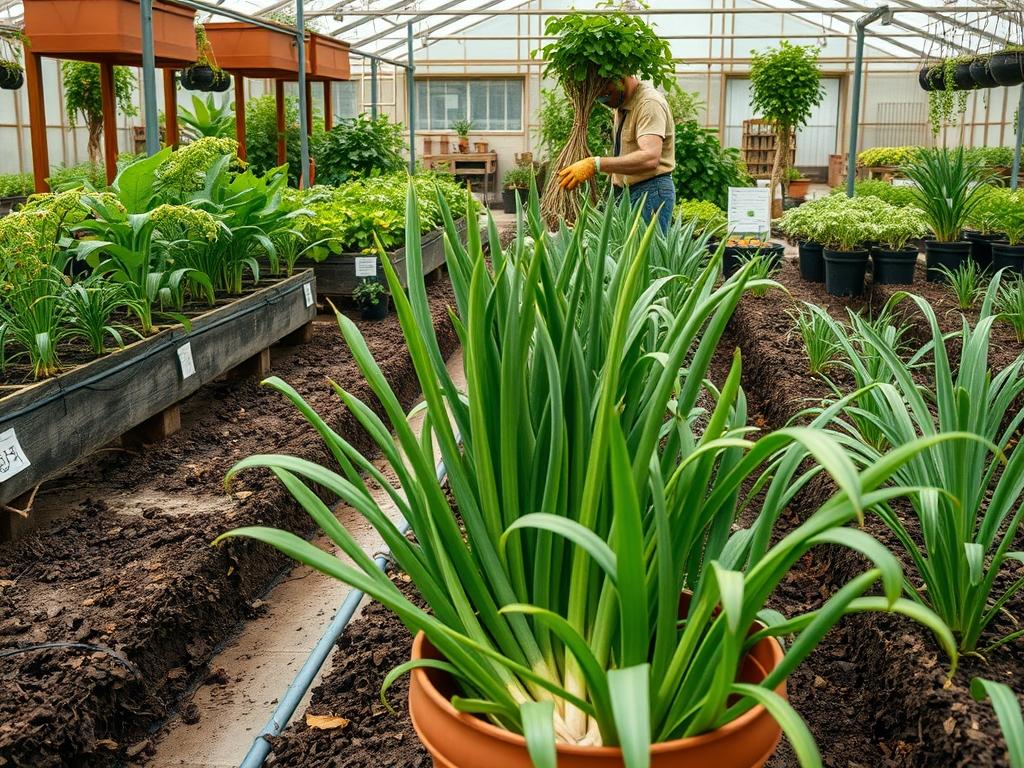
Integrating edible components into a high-end landscape requires a delicate balance between aesthetic form and physiological function. When we discuss garlic in the context of professional environment design, we are looking at Allium sativum, a plant that offers structural verticality and unique textures. For the discerning property owner, the inclusion of hardneck garlic adds a seasonal rhythm that culminates in the harvest of both the curled scapes and the underground bulbs. Picking fresh garlic scapes is not merely a culinary bonus; it is a critical maintenance intervention. By removing these flowering stalks, the architect ensures that the plant diverts its metabolic energy away from reproductive seed production and toward the expansion of the bulb. This practice enhances the final yield and ensures that the structural presence of the plant remains robust throughout its growth cycle.
In temperate climates, the landscape architect must consider the timing of these interventions to maintain curb appeal and plant health. Garlic is frequently utilized as a border plant or as a companion in perennial beds because its foliage provides a stark, linear contrast to mounded shrubs or sprawling groundcovers. However, once the plant reaches a certain maturity in late spring or early summer, it sends up a central stalk known as the scape. If left unmanaged, the scape will eventually straighten and bloom, which draws significant carbohydrates and nutrients from the soil and the plant’s internal reserves. This diversion causes the subterranean bulb to remain small and underdeveloped. To achieve professional-grade results, the removal of the scape must be integrated into the broader maintenance schedule of the property.
Establishing a productive yet beautiful garden space involves understanding the microclimatic nuances of the site. A well-planned outdoor environment accounts for solar orientation, ensuring that sun-loving crops like garlic receive at least six to eight hours of direct light. The strategic removal of scapes is a form of pruning that serves a dual purpose: it refines the visual profile of the garden by removing “leggy” growth and optimizes the biological output of the individual plants. In a professional landscape, every element must earn its place. By picking fresh garlic scapes, the gardener transforms a beautiful ornamental feature into a high-yield agricultural asset, proving that functional utility can coexist with sophisticated design.
Landscape Design Principles
Successful garden integration relies on fundamental design principles like symmetry, focal points, and elevation layers. When planning a space that includes garlic, think of the plants as architectural sentinels. Their upright, blade-like leaves create a sense of repetition and rhythm when planted in rows or clusters. To maintain visual balance, garlic should be placed behind lower-growing herbs like Thyme or Oregano, but in front of taller structural elements like Boxwood hedges or stone retaining walls. This layering creates a sense of depth and ensures that the garden looks “full” even as individual crops reach different stages of maturity.
The focal point of a culinary garden often shifts with the seasons. In the spring, the twisting, serpentine shapes of garlic scapes provide a whimsical, sculptural element that breaks the rigidity of straight lines. However, to maximize bulb size, these must be harvested once they have completed one or two loops. This removal changes the texture of the bed from a chaotic, curly appearance back to a clean, vertical line. Irrigation planning is also paramount here. A professional layout uses Drip Irrigation Lines hidden beneath a layer of Cedar Mulch to provide consistent moisture without wetting the foliage, which reduces the risk of fungal pathogens. By aligning the irrigation emitters with the base of each plant, the designer ensures that the energy saved by removing scapes is supported by adequate hydration, leading to maximum bulb expansion.
Plant and Material Selection
The choice of materials and cultivars defines the longevity and success of the landscape. For garlic, the distinction between hardneck and softneck varieties is crucial. Hardneck varieties produce scapes and are generally preferred in northern climates for their cold hardiness and complex flavor profiles. Softneck varieties are better suited for southern climates and do not typically produce scapes, meaning they do not require this specific pruning step.
| Plant Type | Sun Exposure | Soil Needs | Water Demand | Growth Speed | Maintenance Level |
| :— | :— | :— | :— | :— | :— |
| Hardneck Garlic | Full Sun | Rich, Loamy, Well-Drained | Moderate | Slow/Overwinter | Medium |
| Softneck Garlic | Full Sun | Light, Sandy Loam | Moderate | Moderate | Low |
| Perennial Chives | Full to Part Sun | Average, Well-Drained | Low to Moderate | Fast | Low |
| Common Sage | Full Sun | Sandy, Gritty, Dry | Low | Moderate | Low |
| Bulbing Fennel | Full Sun | High Organic Matter | High | Fast | Medium |
Implementation Strategy
A professional implementation begins with site preparation and grading. Garlic requires exceptional drainage; waterlogged soil will cause the cloves to rot before they can establish a root system. Therefore, the architectural plan should include a slight elevation or the use of Raised Beds to facilitate runoff. If planting in-ground, ensure the soil is amended with 2 to 3 inches of Organic Compost to improve structure. Use a Manual Edger to create sharp boundaries between the garlic beds and adjacent turf or walkways. This prevents grass encroachment and defines the garden as a deliberate design feature rather than an afterthought.
Once the site is graded, planting usually occurs in the autumn. Cloves should be spaced 6 inches apart in rows that are 12 inches apart to allow for proper airflow. As the spring thaw occurs and the scapes emerge, use a pair of Bypass Pruners to snip the stalks at the point where they emerge from the leaves. This task should be performed in the morning when the plant is turgid. Immediately after harvesting the scapes, apply a fresh layer of Hardwood Mulch at a depth of 2 inches. This mulch regulates soil temperature and prevents the moisture fluctuations that can stress the plant during the final weeks of bulb development.
Common Landscaping Failures
One of the most frequent mistakes in edible landscaping is poor drainage. Many amateur gardeners plant garlic in low-lying areas where water collects, leading to anaerobic conditions and crop failure. Without proper grading, the bulbs become susceptible to mold. Another common failure is root overcrowding. While it is tempting to plant densely for immediate visual impact, garlic requires room to expand. If the plants are too close, they compete for the same nitrogen and potassium, resulting in stunted bulbs even if the scapes are removed correctly.
Soil compaction is another silent killer in the landscape. If the garden beds are located near high-traffic walkways without proper structural reinforcement, the soil becomes dense and airless. This prevents the bulbs from expanding physically. Professional designs mitigate this by using Flagstone Walkways or Steel Edging to direct foot traffic away from the growing zones. Finally, irrigation inefficiencies, such as overhead sprinkling, can lead to rust and white rot. A professional landscape consultant will always recommend sub-surface irrigation to keep the bulb environment stable and dry.
Seasonal Maintenance
Landscape management is a year-round commitment that changes with the solar cycle. In the Spring, the focus is on fertilization and scape management. Apply a high-nitrogen organic fertilizer to support leaf growth before the scape appears. Once the scapes curl, harvest them promptly to redirect energy. During the Summer, as the lower leaves begin to brown, reduce irrigation. This “curing” process in the ground helps the bulb skins toughen up. Harvest usually occurs in mid-summer, followed by the immediate replanting of the area with a summer cover crop or ornamental annuals to maintain curb appeal.
In the Autumn, the cycle begins again. This is the time for soil testing and amending with Bone Meal or Phosphate to encourage root development over the winter. The Winter months are a period of dormancy. A heavy layer of Rice Straw or shredded leaves, roughly 4 inches deep, protects the cloves from the freeze-thaw cycles that can heave them out of the ground. This seasonal discipline ensures that the landscape remains productive and aesthetically pleasing through every weather pattern.
Professional Landscaping FAQ
How does picking garlic scapes specifically affect the final bulb size?
Removing the scape stops the plant from producing seeds. This forces the plant to redirect all its photosynthetic energy and nutrients into the underground bulb; typically resulting in a bulb that is 20 to 30 percent larger than those left unpruned.
Are there specific tools required for harvesting scapes in a professional garden?
While you can snap them by hand, using sharp Bypass Pruners ensures a clean cut. A clean incision heals faster and minimizes the risk of introducing pests or diseases into the main stem of the plant.
Can scapes be left on for aesthetic reasons without ruining the crop?
Yes, but there is a significant trade-off. If you prefer the visual look of the flowering bulbs, you must accept much smaller garlic cloves. In high-end culinary landscapes, most designers prioritize bulb size and harvest the scapes for kitchen use.
What is the best way to handle the void left in the landscape after harvest?
Because garlic is harvested in mid-summer, have “filler” plants ready. Sweet Basil or Zinnias are excellent choices to transplant into the gaps, ensuring the garden remains lush and colorful for the remainder of the growing season.
Is irrigation necessary after the scapes have been removed?
Yes, consistent moisture is vital during the two to four weeks following scape removal. This is the “bulbing” phase where the plant requires steady hydration. However, stop watering about a week before the final bulb harvest to prevent rot.