
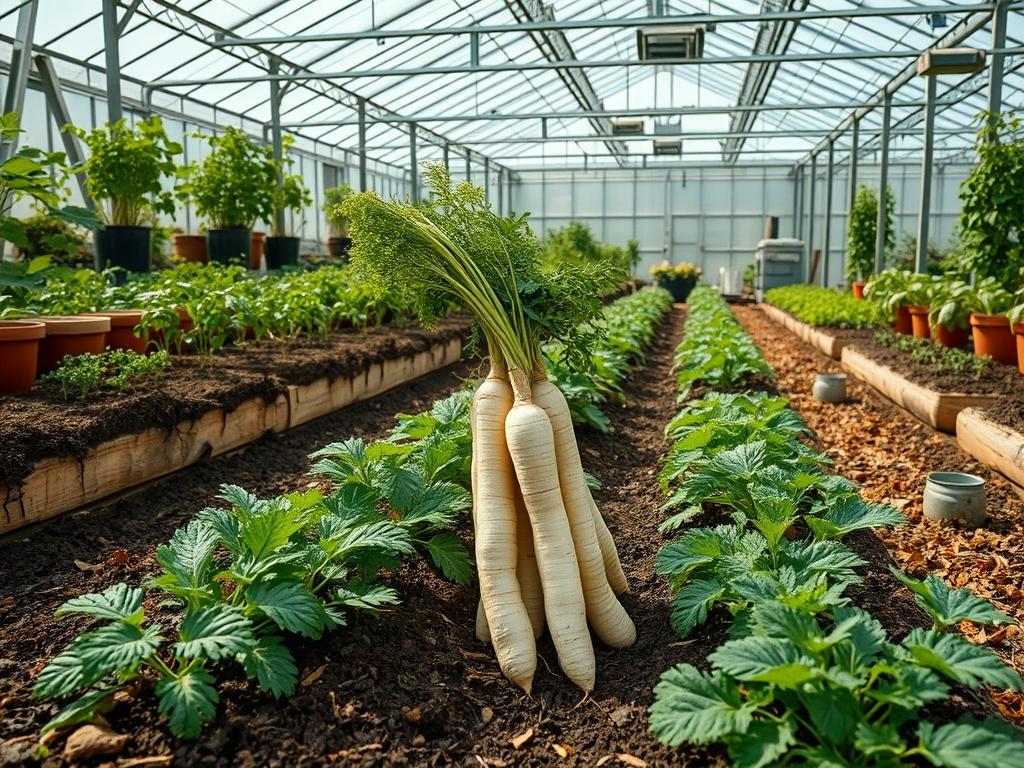
Integrating edible crops into a high-end landscape requires a nuanced understanding of both aesthetic structure and seasonal biological cycles. For the discerning gardener, Harvesting Garden Parsnips represents the culmination of a full calendar year of landscape management. These biennial roots occupy a unique niche in outdoor design; they demand prime real estate for nearly ten months, yet their primary value is unlocked only after the first hard freeze. Many homeowners overlook the architectural potential of the parsnip leaf, which offers a lush, fern-like texture that provides excellent filler in mid-border regions throughout the summer months. By viewing these vegetables not just as food, but as part of a functioning ecosystem, we can create landscapes that are both productive and visually striking well into the dormant season. The secret to a successful harvest is not merely the timing of the dig, but the preparation of the surrounding environment to withstand the expansion and contraction caused by winter frost cycles.
Successful landscape design should prioritize the functionality of the harvest without sacrificing the curb appeal of the property. When planning a garden that accommodates long-season root vegetables, we must consider the interplay between utility and elegance. A well-designed plot ensures that even during the bleak winter months, the garden remains a structured asset rather than a neglected patch of dirt.
Landscape Design Principles
In professional landscape architecture, symmetry and focal points act as the anchors for any outdoor space. When integrating parsnips, treat them as a foundational green layer. Their foliage can reach heights of 18 inches, making them suitable for the middle ground of a tiered garden bed. To maintain visual balance, consider flanking parsnip rows with evergreen herbs or low-lying stone borders. This creates a clear distinction between the edible components and the surrounding hardscape.
Elevation layers are critical for root health. Parsnips require deep, stone-free soil to develop straight, marketable roots. Utilizing raised beds constructed from 4×4 Cedar Timbers or Natural Fieldstone allows the designer to control the soil composition precisely. This elevation also aids in drainage, preventing the roots from rotting during wet autumn transitions.
Walkways must be planned with the winter harvest in mind. Standard garden paths often become muddy or impassable after the first frost. Incorporating Permeable Pavers or a high-quality Crushed Granite path ensures that you can access the beds with a Heavy-Duty Garden Fork without compacting the soil or tracking mud into the home. Irrigation planning is equally vital. Drip lines should be buried at a depth of at least 6 inches to avoid damage during the autumn cleanup or the inevitable late-season digging required for the harvest.
Plant and Material Selection
Choosing the right materials and companion plants is essential for a cohesive landscape. The following table outlines the requirements for parsnips and the materials needed to facilitate a late-season harvest under frost conditions.
| Plant or Material | Sun Exposure | Soil Needs | Water Demand | Growth Speed | Maintenance Level |
| :— | :— | :— | :— | :— | :— |
| Parsnip (Hollow Crown) | Full Sun | Deep, Sandy Loam | Moderate | Slow | Low |
| Winter Mulch (Clean Straw) | N/A | Dry/Aerated | N/A | N/A | Low |
| Rosemary (Companion) | Full Sun | Well-Drained | Low | Moderate | Medium |
| Natural Cedar Edging | N/A | N/A | N/A | N/A | Very Low |
| River Rock (Drainage) | N/A | N/A | N/A | N/A | None |
Implementation Strategy
The implementation of a parsnip-focused landscape begins with site grading. Proper grading ensures that water flows away from the root zone, which is especially important during the freeze-thaw cycles of late November and December. Start by clearing the area and ensuring a slight slope of 2 percent away from any permanent structures or retaining walls. This prevent hydrostatic pressure from building up against your hardscaping features.
Edging provides the crisp lines required for professional curb appeal. Use 1/4-inch Steel Edging or Treated Wood to define the boundaries of the parsnip beds. Once the borders are set, focus on soil preparation. For a world-class harvest, the soil must be tilled or loosened to a depth of 24 inches. Remove any stones larger than 1 inch, as these will cause the roots to fork, ruining the aesthetic and culinary value of the crop.
As the season progresses toward the frost, the “secret” to the harvest involves a specific mulching strategy. Once the first light frost kills the top of the foliage, do not immediately remove it. Instead, apply a layer of 6 inches of Wheat Straw or Shredded Bark Mulch over the entire bed. This insulation allows the parsnips to stay in the ground through several hard freezes, which is necessary for the starch-to-sugar conversion that gives parsnips their signature sweetness. This mulch also keeps the ground soft enough to dig when the ambient temperature is well below freezing.
Common Landscaping Failures
One of the most frequent mistakes in residential landscaping is the failure to calculate mature root size and spacing. When parsnips are crowded, they compete for nutrients and water, leading to stunted, fibrous roots that are difficult to harvest. Professional standards suggest a minimum spacing of 4 inches between plants, with rows set 12 inches apart.
Drainage mistakes are equally catastrophic. If a parsnip bed is located at a low point in the yard without a dedicated drain tile or French drain system, the roots will sit in stagnant water. This leads to anaerobic soil conditions and root rot. Furthermore, soil compaction from heavy foot traffic or improper construction techniques can stifle root expansion. Avoid using heavy machinery near edible beds after the initial site grading.
Irrigation inefficiencies often occur when homeowners use overhead sprinklers. This promotes foliar diseases like powdery mildew. Instead, a professional-grade Drip Irrigation System with emitters spaced every 6 inches ensures that water reaches the taproots directly, conserving water and maintaining the integrity of the soil structure.
Seasonal Maintenance
Maintaining an edible landscape requires a proactive, four-season approach. In the spring, the focus is on soil revitalization. Incorporate 1 inch of high-quality Organic Compost into the top layer of the beds before sowing seeds. Parsnips are slow to germinate, so be patient and keep the soil consistently moist for the first 21 days.
Summer maintenance involves managing the leaf canopy and ensuring consistent hydration. As the parsnip tops grow, they provide natural shade to the soil, reducing evaporation. Monitor for pests but avoid harsh chemicals that could leach into the edible roots. Use Neem Oil or targeted organic interventions if necessary.
Autumn is the most critical period for those interested in Harvesting Garden Parsnips. As temperatures drop, the plants begin to store energy in the roots. Resist the urge to harvest too early. The best flavor profile is achieved after the plant has experienced at least two or three nights of temperatures below 28 degrees Fahrenheit.
Winter management involves protecting the harvest zone. If you live in a region with deep ground freezes, the mulch layer mentioned previously is your primary tool. You can harvest parsnips all winter long as long as you can get a shovel into the ground. If the soil does freeze solid, wait for a mid-winter thaw to extract the roots.
Professional Landscaping FAQ
How do I know when the parsnips are ready for harvest?
Wait until after the first two hard frosts. The cold triggers a chemical change that converts starches into sugars. The foliage will typically turn brown and limp, signaling that the roots have reached peak flavor and are ready for extraction.
Can I leave parsnips in the ground until spring?
Yes, parsnips are extremely cold-hardy. As long as the ground is heavily mulched to prevent heaving, you can harvest them throughout the winter or in early spring before the new growth begins. Spring-harvested roots are often the sweetest.
What is the best tool for harvesting deep root vegetables?
A Stainless Steel Garden Fork is superior to a shovel. It allows you to loosen the soil around the root without slicing the flesh. Insert the fork vertically at least 6 inches away from the crown to avoid damage.
How does soil pH affect the landscape and the crop?
Parsnips prefer a slightly acidic to neutral pH between 6.0 and 7.0. Soil that is too alkaline can lead to nutrient lockout, causing the foliage to yellow and the roots to become woody. Regular soil testing is recommended.
Do parsnips require specific nutrients during the growing season?
Avoid high-nitrogen fertilizers late in the season, as this promotes excessive top growth at the expense of root development. A balanced 10-10-10 Fertilizer applied at the time of planting is usually sufficient for most professional landscapes.