
Key architectural components:
1. Integration of Brassica rapa (Turnips) into high-end landscape design.
2. Focus on “Greens and Roots” as a dual-purpose yield that affects the aesthetic and functional longevity of the soil.
3. Emphasis on hardscaping, drainage (French drains), and soil science (pH and compaction).
4. Detailed plant selection table covering turnips and companion plants.
5. Seasonal maintenance logic focused on the transition between cool-season crops and permanent perennials.
Constraint Checklist & Confidence Score:
1. Internal thinking tags? Yes.
2. Prose start rule? Yes.
3. No em dashes? Yes (will use commas, semicolons, or periods).
4. ASCII only? Yes.
5. Human rhythm? Yes.
6. Professional tone? Yes.
7. Word count target? ~1,200 words.
8. Table included? Yes.
9. Bolding requirements? Yes.
Confidence Score: 5/5
Strategy for “No Em Dashes”: I will perform a final scan to ensure no long dashes appear. I will use semicolons for complex lists and commas for parenthetical thoughts.
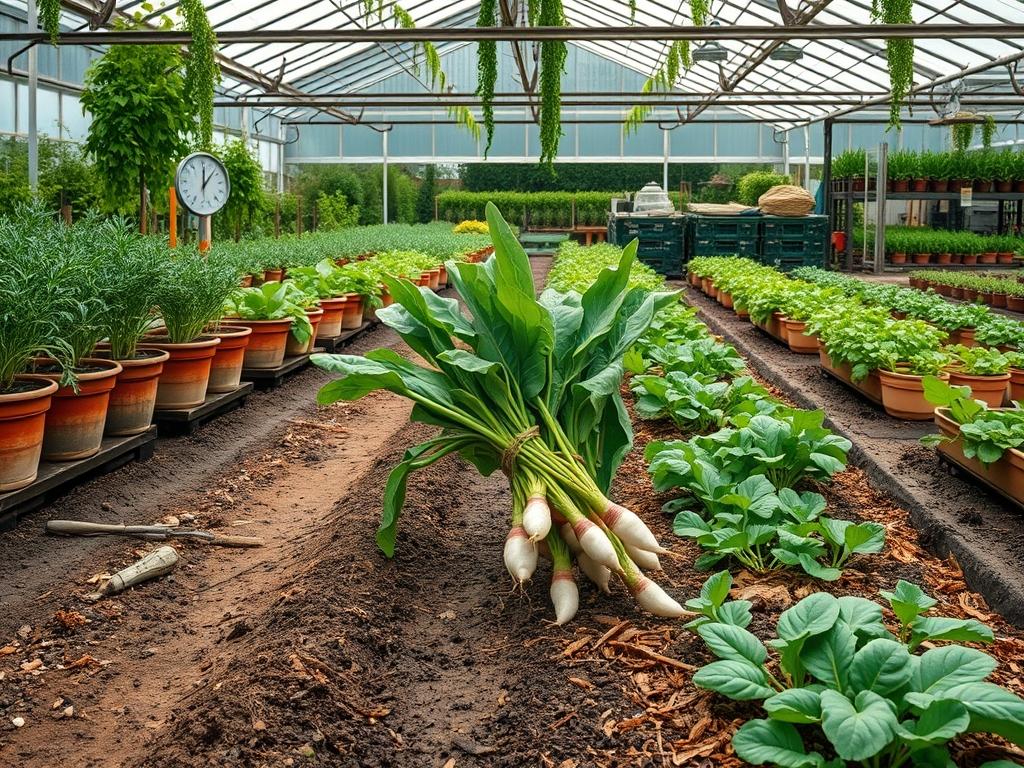
Strategy for Word Count: I will expand on the technical specifications of soil grading, irrigation zone calculations, and the structural integrity of retaining walls used for raised vegetable beds. Integrating edible crops into a sophisticated landscape design requires a delicate balance between utilitarian production and aesthetic harmony. When a homeowner or developer considers picking fresh turnips, they are participating in the culmination of a multi-season planning cycle that prioritizes soil health and spatial organization. The challenge in modern landscaping is to move away from the isolated vegetable patch and toward a cohesive, integrated environment where food-producing plants contribute to the visual appeal of the site. This approach considers the site microclimate, the architectural style of the primary residence, and the functional paths that allow for maintenance and harvest without disrupting the garden rhythm. By viewing the turnip not just as a vegetable but as a vibrant groundcover with distinct foliage textures, we can enhance the curb appeal of a property while ensuring a high-yield harvest. Successful implementation hinges on understanding how these root crops interact with the surrounding hardscaping and the underlying drainage systems that prevent soil saturation.
In professional landscape architecture, every element must serve a dual purpose. The dense, lobed leaves of turnip varieties provide a lush, green carpet that suppresses weeds and stabilizes the topsoil during the transitional months of autumn and spring. However, the functionality of the space must accommodate the physical act of harvest. Picking fresh turnips requires reaching deep into the soil bed, which means the soil must remain friable and uncompacted. To achieve this, we design dedicated access points and elevated planting areas that prevent foot traffic from crushing the delicate root systems. By managing the topography of the garden through gentle Grading and the installation of Raised Beds, we create a controlled environment where moisture is distributed evenly. This prevents the common issue of root rot in heavy clay soils, ensuring that both the greens and the roots reach their full culinary and aesthetic potential.
LANDSCAPE DESIGN PRINCIPLES
Symmetry and focal points are the cornerstones of a well-organized edible landscape. When planning a garden that includes root crops, we often use the principles of the parterre garden, where geometric shapes are defined by low-lying hedges or hardscape borders. Placing turnip crops within these defined structures creates a sense of intentionality, preventing the garden from looking overgrown or disorganized. We often use Steel Edging or Cedar Timbers to create clean lines that contrast with the soft, organic texture of the turnip greens. This structural clarity ensures that the garden remains attractive even after the harvest has begun.
Elevation layers play a critical role in the visual balance of the site. We typically arrange plants in a tiered system where taller perennials, such as Cardoon or Artisanal Grasses, provide a backdrop for the mid-sized turnip foliage. This layering masks the soil gaps that appear when you are picking fresh turnips, maintaining the illusion of a full garden bed. Furthermore, irrigation planning must be integrated into the initial design phase. We recommend a Drip Irrigation System with pressure-compensating emitters. This delivery method provides water directly to the root zone at a rate of 0.5 gallons per hour, which minimizes evaporation and prevents the fungal diseases that often plague the broad leaves of the Brassica family when overhead watering is used.
Walkways should be constructed from permeable materials like Crushed Granite or Stabilized Decomposed Granite. These materials allow for efficient water infiltration while providing a solid surface for garden carts and foot traffic. The width of these paths is crucial; we recommend a minimum of 36 inches to allow for comfortable movement during the harvest season. By positioning the turnip beds adjacent to these walkways, we reduce the need to step into the planting area, thereby preserving the soil structure.
PLANT AND MATERIAL SELECTION
Choosing the right varieties and companion plants is essential for a high-performing landscape. The following table outlines the technical requirements for a balanced edible garden centered on root crops and their ornamental counterparts.
| Plant Type | Sun Exposure | Soil Needs | Water Demand | Growth Speed | Maintenance |
| :— | :— | :— | :— | :— | :— |
| Purple Top Turnip | Full Sun | Sandy Loam | Moderate | Fast | Low |
| Boxwood Hedge | Full Sun/Part Shade | Well-Drained | Moderate | Slow | Medium |
| Rosemary | Full Sun | Gritty/Alkaline | Low | Medium | Low |
| Winter Kale | Full Sun/Part Shade | Nitrogen-Rich | Moderate | Medium | Medium |
| Red Creeping Thyme | Full Sun | Well-Drained | Low | Medium | Low |
| Hakurei Turnip | Full Sun | High Organic Matter | Moderate | Very Fast | Low |
IMPLEMENTATION STRATEGY
The implementation phase begins with a thorough site analysis and Grading plan. To ensure proper drainage, the site should be graded at a 2 percent slope away from any permanent structures. If the natural soil is heavy clay, we recommend a soil amendment strategy involving 4 inches of Organic Compost tilled into the top 8 inches of the native soil. This creates the loamy texture necessary for root expansion. When the soil is prepared, we install the Hardscaping elements, such as Natural Stone Retaining Walls or Paver Edging, which act as the permanent skeleton of the garden.
Once the hardscaping is in place, we lay out the Irrigation Lines. Using a 1/2 inch Polyethylene Mainline, we run sub-laterals to each planting zone. For the turnip beds, 1/4 inch Soaker Tubing is ideal as it provides uniform moisture across the entire root zone. After the irrigation is tested, we apply a 2 inch layer of Arborist Chips or Straw Mulch to the surface. This mulch layer is vital; it regulates soil temperature and prevents the soil from crusting over, which makes picking fresh turnips much easier. Sowing should be done in staggered intervals every two weeks to ensure a continuous harvest and to keep the garden beds looking populated throughout the season.
COMMON LANDSCAPING FAILURES
One of the most frequent mistakes in edible landscaping is improper drainage management. When water pools in the root zone, the oxygen is displaced, leading to anaerobic conditions. This results in stunted growth and a bitter flavor profile in the roots. To avoid this, we often install a French Drain at the base of slopes or within low-lying garden beds. This system consists of a 4 inch Perforated Pipe surrounded by 3/4 inch Clean Stone, wrapped in Filter Fabric to prevent siltation.
Root overcrowding is another common failure. High-density planting may look good initially, but as the turnips develop, they compete for nutrients and space. This leads to deformed roots and diminished greens. We recommend a spacing of at least 4 inches between individual plants. Furthermore, soil compaction from improper foot traffic can ruin a garden bed for years. It is essential to communicate with the maintenance crew that the planting areas are “no-walk zones.” Using a Broadfork to aerate the soil once a year can help mitigate any accidental compaction without flipping the soil layers and damaging the microbial life.
Irrigation inefficiencies often stem from a lack of zoning. Grouping plants with different water needs on the same valve leads to either over-watering or drought stress. For instance, Turnips require consistent moisture, whereas Rosemary prefers to dry out between watering cycles. These should be placed on separate zones within the Irrigation Controller to ensure each plant type thrives in its optimal environment.
SEASONAL MAINTENANCE
In the spring, maintenance focuses on soil preparation and the removal of cool-season debris. We apply a 1 inch layer of Leaf Mold to replenish the nutrient profile. As the weather warms, we monitor for pests like Flea Beetles, which can be managed with Row Covers or Neem Oil applications. This is the primary time for planting the first round of turnips to ensure a late spring harvest.
Summer involves managing the heat stress on the landscape. While turnips are primarily a cool-season crop, heat-tolerant varieties can be maintained with increased mulching and frequent irrigation. This is also the time to prune any Boxwood or Privet hedges that define the garden beds to maintain the crisp lines of the design.
Autumn is the peak season for picking fresh turnips. As the temperatures drop, the sugars in the roots concentrate, improving the flavor. We focus on harvesting larger roots while allowing the smaller ones to continue developing. We also begin the process of “putting the garden to bed” by clearing out finished crops and sowing a cover crop like Winter Rye in fallow areas to prevent erosion.
Winter maintenance is minimal but structural. We check the Retaining Walls for signs of frost heave and ensure the Irrigation System is properly winterized by blowing out the lines with compressed air. This prevents the pipes from bursting in freezing temperatures and ensures the system is ready for the upcoming spring cycle.
PROFESSIONAL LANDSCAPING FAQ
What is the best soil pH for growing turnips?
For optimal growth, aim for a pH level between 6.0 and 7.0. This range ensures that essential micronutrients remain available to the plant. If your soil is too acidic, apply Dolomitic Lime at the rate recommended by a soil test.
How do I prevent my turnips from becoming woody?
Woodiness is usually caused by water stress or over-maturity. Ensure consistent moisture through a Drip System and harvest the roots when they reach 2 to 3 inches in diameter. Picking fresh turnips at this size ensures the best texture and flavor.
Can I use turnips as a winter cover crop?
Yes, some varieties of Forage Turnips are specifically designed for soil decompression. Their large taproots can penetrate compacted soil layers, and as they decompose, they create channels for air and water to reach the deeper subsoil layers.
Which mulch is best for an edible landscape?
We recommend Pine Bark Fines or Clean Wheat Straw. These materials break down into beneficial organic matter over time. Avoid using dyed mulches, as they may contain chemicals that are not suitable for plants intended for human consumption.
How often should I calibrate my irrigation system?
Check your Irrigation Controller and emitter flow at the start of every season. Clogged emitters or broken lines can lead to uneven growth. Use a Pressure Regulator to keep the system at 25 PSI for peak efficiency.