
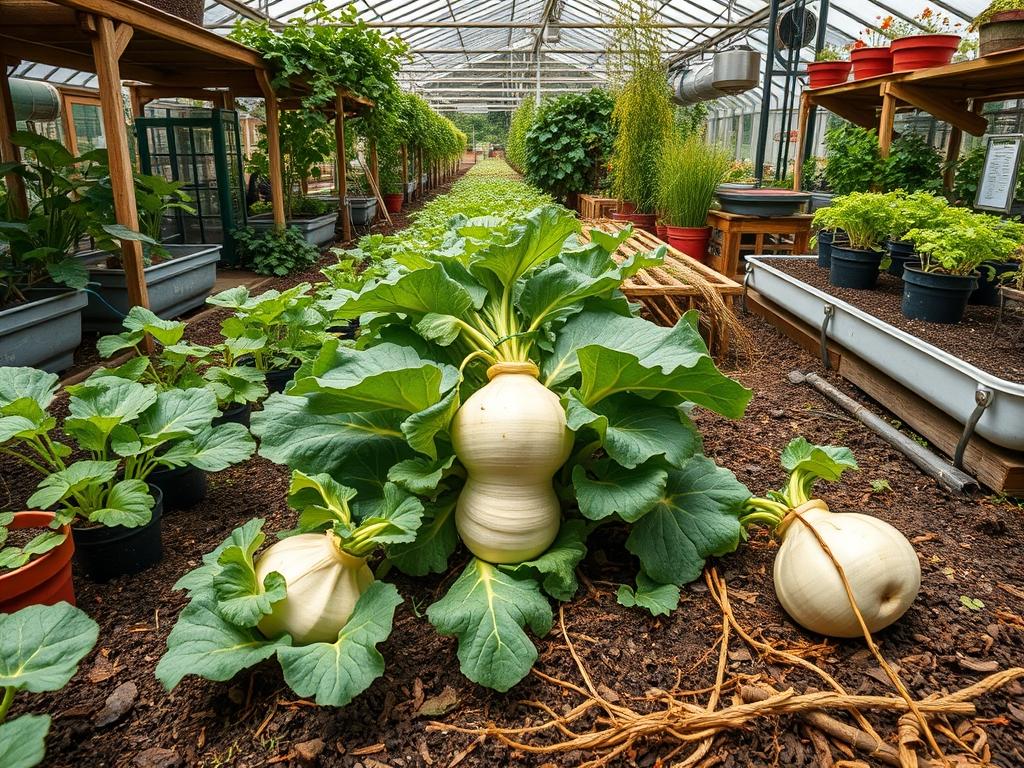
Integrating a functional vegetable component into a high-end landscape requires a sophisticated understanding of both aesthetic balance and soil engineering. When we approach the task of harvesting garden rutabagas, we are not merely discussing the extraction of a root vegetable; we are managing a late-season transition that affects the visual integrity and structural health of the entire outdoor environment. The rutabaga, often overlooked in modern minimalist designs, offers a unique textural contrast with its broad, glaucous foliage that remains vibrant long after lighter summer annuals have faded. In a professional landscape, these plants function as ecological anchors. They stabilize soil during the cooling months and provide a lush, green filler for mid-border sections. Successful harvesting and site management ensure that the transition into winter dormancy does not leave the property looking neglected or barren. By treating the vegetable patch as a deliberate architectural element, we can enhance curb appeal while maximizing the yields of a winter-hardy staple.
The primary landscaping challenge with root crops involves maintaining a cohesive look while accommodating the heavy nutrient demands and specific drainage requirements of the species. Most homeowners view the vegetable garden as a separate, utilitarian area, but a professional consultant sees it as an opportunity for integrated functionality. For a successful harvest, the site must be accessible, well-drained, and aesthetically unified with the surrounding hardscaping. We must consider the thermal mass of nearby retaining walls and the proximity of irrigation mainlines. A rutabaga crop that is left in the ground until the first few touches of frost will develop a superior sugar profile, but this timing requires a landscape that can handle the visual shift of late-season harvests without losing its formal structure.
Landscape Design Principles
Effective landscape design for root crops relies heavily on the principle of symmetry and the logical layering of elevations. When planning a space intended for harvesting garden rutabagas, we utilize raised beds or terraced slopes to ensure proper drainage and metabolic efficiency. Symmetry provides a sense of order in the winter garden. By placing rutabaga plots in mirror-image configurations or as flanking elements to a central flagstone walkway, we elevate the vegetable from a simple food source to a formal design feature. This organization ensures that when the harvest occurs, the resulting voids in the soil do not disrupt the overall visual flow of the garden.
Focal points are equally critical in a multi-use landscape. While the rutabaga itself is a low-profile plant, it can be framed by taller structural elements such as standard-pruned fruit trees or ornamental grasses. This layering creates a sense of depth. We also prioritize irrigation planning during the design phase. Subsurface drip irrigation lines should be mapped to provide consistent moisture without causing surface erosion or fungal issues on the foliage. Deep, infrequent watering encourages the roots to grow straight and smooth, which is essential for both the health of the plant and the ease of the eventual harvest. This strategic approach to water management prevents the soil compaction that often plagues high-traffic garden areas.
Plant and Material Selection
Selecting the right cultivars and supporting materials is the foundation of a durable landscape. The following table outlines the requirements for integrating these elements into a professional-grade outdoor environment.
| Plant or Material | Sun Exposure | Soil Needs | Water Demand | Growth Speed | Maintenance Level |
| :— | :— | :— | :— | :— | :— |
| Rutabaga (Brassica napus) | Full Sun | Rich, well-drained loam | 1 to 1.5 inches weekly | 90 to 110 days | Moderate |
| Winter Rye (Cover Crop) | Full to Partial Sun | Adaptable | Low | Fast | Low |
| Cedar Raised Beds | N/A | High-quality organic fill | N/A | N/A | Low |
| Pea Gravel Paths | N/A | Compacted sub-base | N/A | N/A | Medium |
| Nitrogen-rich Compost | N/A | High organic matter | N/A | N/A | Low |
For the structural components, we recommend using Corten steel or Western Red Cedar for bed edging. These materials provide a clean, modern aesthetic that contrasts beautifully with the organic forms of the vegetables. Furthermore, selecting the right mulch is vital. A 3-inch layer of shredded bark or clean straw helps regulate soil temperature, which is a crucial factor when extending the harvest into the colder weeks of December.
Implementation Strategy
The implementation of a winter-ready garden patch begins with precise site grading. We want to avoid any standing water, especially as the ground begins to freeze and thaw. Start by excavating the area to a depth of 12 inches and backfilling with a custom blend of sandy loam and aged compost. This creates a friable environment where the roots can expand without resistance. If the site has heavy clay, we suggest installing a perforated French drain system beneath the planting area to divert excess moisture away from the root zone.
Once the soil is prepared, the layout should follow a grid pattern to facilitate easy access during the harvest. Use a hand trowel or a garden spade to mark out rows spaced 18 inches apart. This spacing allows for adequate airflow and prevents the spread of soil-borne pathogens. As the plants mature, we apply a slow-release organic fertilizer to support the massive growth of the globose roots. When the time comes for harvesting garden rutabagas, the soil should be slightly moist. This reduces the physical effort required to lift the roots and minimizes damage to the delicate skin of the vegetable. Professional installers often use a broadfork to loosen the entire bed simultaneously, which preserves the soil structure better than individual digging.
Common Landscaping Failures
One of the most frequent failures in garden design is improper drainage, which leads to anaerobic soil conditions and root rot. In the context of rutabagas, waterlogged soil results in a bitter, woody texture and hollow hearts. To prevent this, architects must ensure that the planting beds are elevated at least 8 to 12 inches above the surrounding grade. Another common mistake is root overcrowding. When plants are spaced too closely, they compete for nutrients and moisture, resulting in stunted specimens that lack the visual impact needed for a high-end landscape.
Soil compaction is another silent killer of garden functionality. Heavy foot traffic around the harvesting area can compress the pore spaces in the soil, making it difficult for water and oxygen to reach the roots. This is why we always include defined hardscape paths or stepping stones in the design. Finally, many consultants fail to account for the nutrient depletion that occurs over a long growing season. Without a post-harvest plan to incorporate green manure or fresh organic matter, the soil will become exhausted, leading to poor performance in the following spring cycle.
Seasonal Maintenance
Maintenance is a year-round commitment that changes with the sun’s angle and the soil’s temperature. In the spring, the focus is on soil preparation and the installation of early-season irrigation systems. This is the time to check the integrity of retaining walls and clear any debris from drainage channels. During the summer, the priority shifts to pest management and consistent moisture levels. We utilize neem oil or biological controls to protect the lush canopy of the rutabaga crops from common brassica pests.
As autumn approaches, the maintenance routine centers on the harvest. Harvesting garden rutabagas should take place after a couple of light frosts, as the cold triggers the conversion of starches into sugars. Once the roots are removed, the landscape must be “tucked in” for the winter. This involves clearing away spent foliage to prevent overwintering pests and applying a fresh layer of bark mulch to protect the soil from erosion. In the winter, the focus turns to tool maintenance and planning for the next rotation. By keeping the shovels, hoe, and shears cleaned and sharpened, the transition back into spring planting becomes a seamless process.
Professional Landscaping FAQ
How do I know when the soil is ready for harvest?
The soil should be firm but not frozen. Check the root diameter; once it reaches 4 to 6 inches, the rutabaga is at peak maturity. Use a soil moisture meter to ensure the ground is damp enough for clean extraction.
Can I leave rutabagas in the ground all winter?
In many climates, yes. If you apply a 6-inch layer of straw mulch, you can harvest them as needed throughout the winter. However, in regions with deep permafrost, it is better to harvest and store them in a cool root cellar.
What is the best tool for harvesting large roots?
A digging fork is the superior tool for this task. It allows you to lift the root from beneath without puncturing the skin. This preservation of the protective outer layer is essential for long-term storage and preventing rot.
How does harvesting affect my landscape’s appearance?
Harvesting creates temporary gaps. To maintain curb appeal, we suggest immediately over-seeding with a winter cover crop or filling the space with decorative evergreen boughs and seasonal mulch. This keeps the garden looking intentional and manicured during the dormancy phase.
Do I need to till the soil after harvesting?
No, a “no-till” approach is often better for soil health. Simply add a 2-inch layer of compost over the area where you harvested. This replenishes the nutrients and maintains the soil structure without disturbing the beneficial microbial networks.