
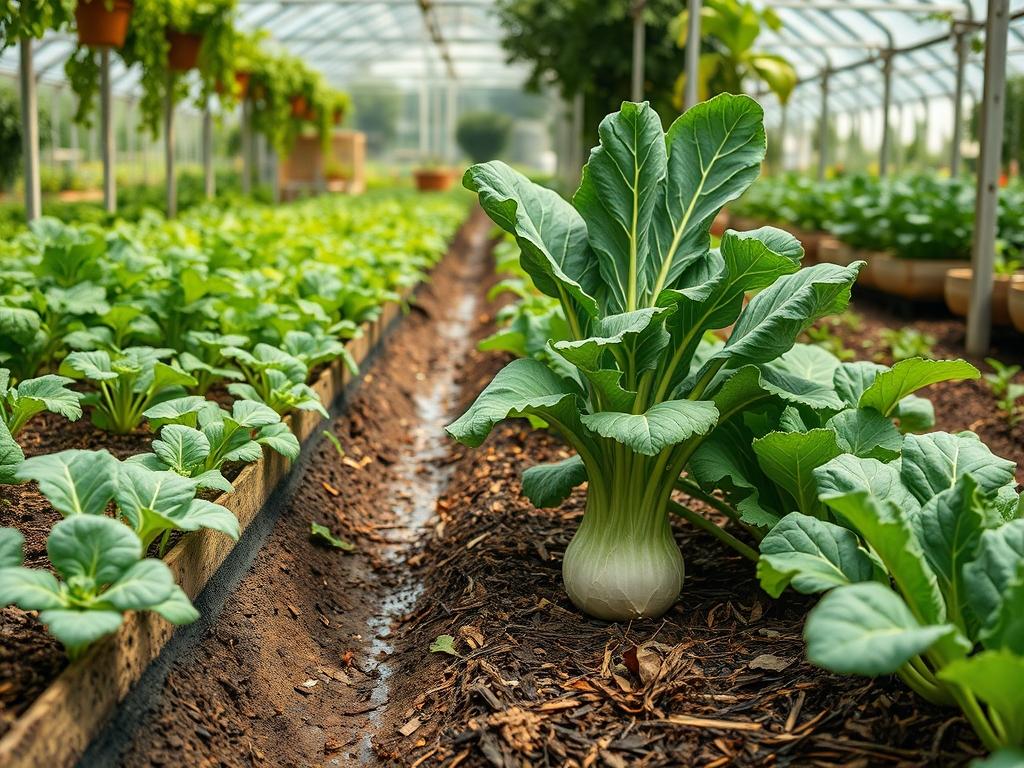
Integrating edible crops into a sophisticated landscape design requires more than just a patch of soil; it demands an understanding of spatial geometry, seasonal aesthetics, and precise timing. The modern outdoor environment consultant views the vegetable garden not as a hidden utility, but as a structural component of the overall site plan. Kohlrabi, with its otherworldly bulb and architectural leaves, serves as an excellent candidate for this transition between ornamental beauty and functional harvest. However, the success of this plant within a high end landscape hinges on one specific management practice: picking fresh kohlrabi while it is still small. When these geometric bulbs are harvested early, usually between the size of a golf ball and a tennis ball, they retain a crisp, apple like sweetness that complements a professional grade culinary lifestyle. If left to grow too large in the interest of sheer volume, the plant loses its refined texture and its visual tightness, becoming woody and visually overgrown within the curated garden bed.
The surrounding climate and site microclimates play a pivotal role in how these architectural edibles perform. In regions with fluctuating spring temperatures, kohlrabi can experience stress that affects both its growth rate and its flavor profile. A successful landscape architect considers the thermal mass of nearby Retaining Walls and the moisture retention of specific soil blends to ensure the plant matures quickly. Curb appeal is often maintained through the rigorous selection of cultivars like Purple Vienna, which offers a striking contrast against green foliage and stone hardscaping. By prioritizing the harvest of smaller bulbs, the homeowner ensures the garden remains in a state of constant renewal rather than allowing plants to reach a stage of ragged senescence. This focus on picking fresh kohlrabi at its peak ensures that the outdoor space functions as a high performing kitchen garden that maintains the crisp lines of a professional design.
Landscape Design Principles
Symmetry and visual balance are the cornerstones of a successful edible landscape. When incorporating kohlrabi, it should be treated as a rhythmic element within the garden bed. Planting in staggered rows or geometric clusters allows the unique shape of the bulb to act as a focal point. This structural approach prevents the garden from looking cluttered, a common pitfall when mixing food crops with ornamental species. Elevation layers are equally important; low growing kohlrabi should be positioned in front of mid sized perennials like Lavender or Salvia. This creates a tiered effect that draws the eye upward and provides a sense of depth.
Irrigation planning is perhaps the most technical aspect of the design process. For kohlrabi to remain sweet and tender, it requires consistent moisture without saturation. A Drip Irrigation System installed beneath a layer of Hardwood Mulch ensures that water reaches the root zone efficiently. This prevents the “stress and surge” cycle that often leads to split bulbs or tough, fibrous stems. Walkways should be planned to allow easy access for harvesting without compacting the soil. Using Flagstone Pavers or Decomposed Granite for paths ensures that the harvest process does not degrade the structural integrity of the planting beds.
Visual balance is further enhanced by considering the color palette. The pale green of Winner Kohlrabi or the deep violet of Kolibri can be mirrored in other parts of the landscape using inanimate materials. For instance, the silvery blue tones of certain kohlrabi leaves can be echoed in the choice of Bluestone for patio surfaces or the foliage of Blue Fescue. This cohesive approach ensures the garden feels like a singular, intentional environment rather than a collection of disconnected parts.
Plant and Material Selection
| Plant/Material | Sun Exposure | Soil Needs | Water Demand | Growth Speed | Maintenance |
| :— | :— | :— | :— | :— | :— |
| Purple Vienna Kohlrabi | Full Sun | Sandy Loam | Moderate | Fast (50-60 days) | Low |
| Boxwood ‘Green Velvet’ | Full to Part Sun | Well-Drained | Low to Moderate | Slow | Medium |
| English Lavender | Full Sun | Gritty/Alkaline | Low | Moderate | Low |
| Creeping Thyme | Full Sun | Poor to Average | Low | Moderate | Low |
| Cedar Mulch | N/A | Weed Barrier | N/A | N/A | Annual Refresh |
| River Rock | N/A | Drainage Layer | N/A | N/A | Minimal |
Implementation Strategy
The first step in garden layout planning involves a thorough site analysis focusing on grading and drainage. Before any plants are installed, the soil must be leveled or pitched slightly to prevent standing water. A Laser Level is often used to ensure that the beds have a 2 percent slope away from building foundations. Once the grade is established, Steel Edging should be installed to define the boundaries between the turf and the edible beds. This creates a clean, professional finish that prevents grass encroachment and makes picking fresh kohlrabi a cleaner task.
Next, the soil must be amended to create a high performance growing medium. A mix of Organic Compost, Peat Moss, and Coarse Sand provides the ideal balance of nutrient density and drainage. For kohlrabi, maintaining a pH of 6.5 to 6.8 is critical for nutrient uptake. After the soil is prepared, the Drip Irrigation lines are laid out in a grid pattern. This ensures that every plant receives exactly 1 inch of water per week, delivered directly to the base.
Planting should occur with precise spacing. Kohlrabi bulbs need roughly 6 to 8 inches of space between them to allow for adequate air circulation and bulb expansion. Once the seedlings are in the ground, a 3-inch layer of Cedar Mulch is applied. This prevents soil splashing onto the bulbs, which can harbor pathogens, and helps regulate soil temperature. Hardscaping elements, such as Granite Boulders or Custom Cedar Trellises, should be placed during this phase to provide year round structure. As the bulbs grow, the consultant should monitor their diameter; once they reach 2 inches in width, they are ready for harvest. Using a Sharpened Garden Knife, cut the bulb at the soil line to ensure a clean harvest that doesn’t disturb the root systems of neighboring plants.
Common Landscaping Failures
One of the most frequent mistakes in edible landscaping is poor drainage management. If the site uses heavy clay soil and lacks a French Drain or perforated PVC Pipe system, water will pool around the base of the vegetables. This leads to bottom rot and attracts pests like slugs. Another common error is root overcrowding. Landscape enthusiasts often plant kohlrabi too close together to achieve an “instant” full look. However, this competition for nutrients results in small, bitter bulbs and spindly foliage that lacks the architectural impact desired in a professional design.
Improper spacing also interferes with the timing of picking fresh kohlrabi. When plants are crowded, airflow is restricted, which can lead to powdery mildew. Soil compaction is another silent failure point. If the landscape plan does not include designated stone paths, foot traffic will compress the soil, squeezing out oxygen and making it difficult for kohlrabi to form a round, healthy bulb. Finally, irrigation inefficiencies, such as using overhead sprinklers, can cause the skins of kohlrabi to toughen prematurely. Water should always be applied at the soil level to keep the skins tender and the flavor sweet.
Seasonal Maintenance
Spring maintenance involves soil testing and the installation of cool weather crops. This is the primary season for picking fresh kohlrabi, as the rising temperatures often trigger the plant to become woody. Graduated Spades should be used to loosen the soil before the next planting cycle. In the summer, the focus shifts to heat management. If kohlrabi is still in the ground, providing Shade Cloth can help prevent the bulbs from drying out, though it is usually best to have harvested them by the time the heat peaks. Transition the beds to heat tolerant herbs or ornamental peppers to maintain aesthetic interest.
Autumn requires a thorough cleanup of any spent vegetable matter to prevent overwintering pests. This is also the ideal time to add Composted Manure to the beds to replenish nutrients lost during the growing season. For winter, the landscape should rely on its “bones,” the hardscaping and evergreen elements. Evergreen Shrubs and Ornamental Grasses provide the necessary structure when the edible beds are dormant. Checking the integrity of Retaining Walls and clearing debris from Drainage Channels ensures the landscape is ready for the rapid growth cycle of the following spring.
Professional Landscaping FAQ
How does harvest size affect kohlrabi flavor?
Harvesting kohlrabi when the bulb is between 2 and 3 inches ensures a crisp, sweet texture. Larger bulbs develop a thick, woody exterior and a fibrous interior, which is undesirable for both culinary use and aesthetic freshness in the garden.
What is the best way to prevent woody kohlrabi?
Maintain consistent soil moisture using Drip Irrigation and harvest early. Stress from drought or excessive heat causes the plant to produce lignin, which creates the tough, woody texture. Keeping the soil cool with Cedar Mulch also helps significantly.
Can kohlrabi be used in a formal landscape?
Yes. Its unique, orb like shape and vertical leaf structure make it an excellent choice for geometric potager gardens. When planted in clean lines and edged with Steel Ribbon, it provides a modern, architectural look that rivals many ornamental plants.
What soil type is best for an edible landscape?
A well draining Sandy Loam enriched with 10 percent organic matter is ideal. This allows for deep root penetration and rapid drainage, preventing the fungal issues that often plague vegetable crops in traditional ornamental garden beds.
How do I integrate irrigation for kohlrabi?
Install a low volume Drip System with emitters spaced every 6 inches. This ensures targeted watering, which keeps the bulbs succulent and prevents the foliage from staying wet, thereby reducing the risk of disease and improving the harvest quality.