
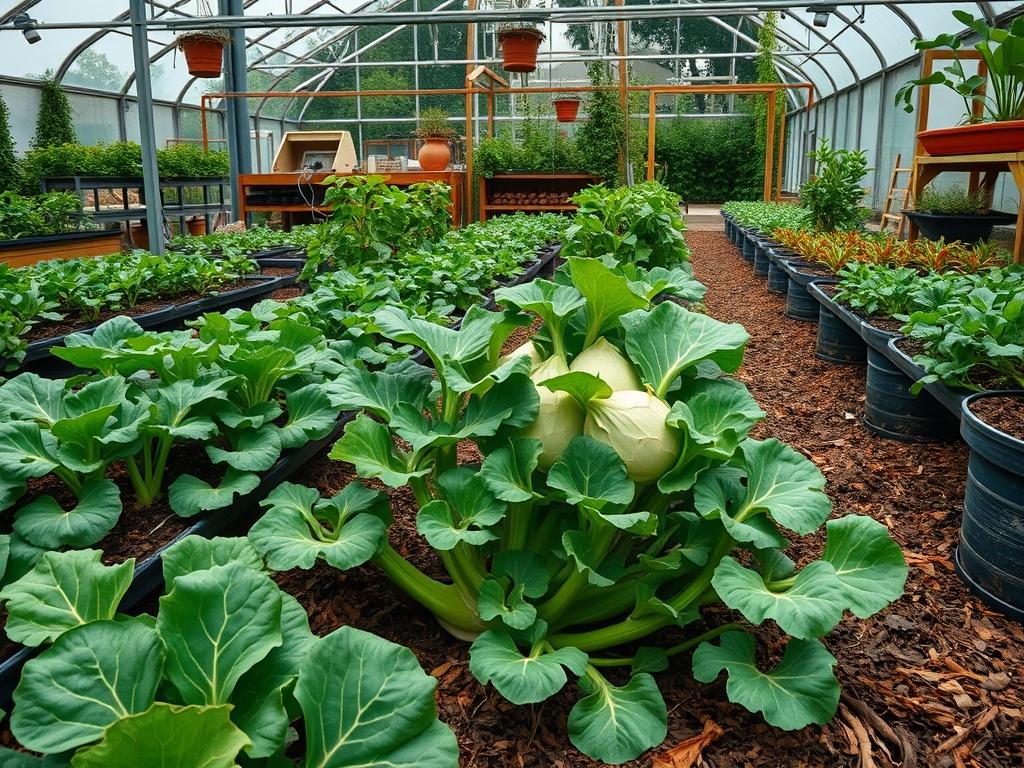
Integrating architectural foliage into a residential landscape requires a sophisticated understanding of scale and texture. The Cynara cardunculus, more commonly known as the cardoon, represents the pinnacle of structural gardening. This perennial plant, a close relative of the globe artichoke, offers a striking silver-gray palette that serves as a dramatic counterpoint to standard green turf and dark foundation shrubs. For many coastal and Mediterranean-style estates, the challenge lies in managing the sheer volume of the plant while preparing it for its dual role as a culinary luxury and an ornamental anchor. Because cardoons can reach heights of 6 feet and widths of 5 feet, they demand a strategic placement that considers both summer aesthetics and the late-season transition into the blanching and harvesting phase. Successful design requires balancing the plant’s aggressive growth with the functional needs of the outdoor living space, ensuring that its massive serrated leaves do not overwhelm walkways or suffocate smaller companion species.
Climate considerations are paramount when designing a garden intended for harvesting garden cardoon. These plants thrive in USDA zones seven through ten, where the long growing season allows for the development of thick, fleshy midribs. In cooler climates, the landscape architect must account for a shorter cycle, perhaps utilizing microclimates created by South-facing retaining walls or thermal mass from nearby hardscaping. The goal is to provide a sense of continuity across the seasons. While the cardoon is a stunning specimen during the peak of summer, its appearance changes significantly when it is prepared for harvest. This transition involves wrapping the plant in stalks of burlap or heavy paper, a process that can disrupt the visual harmony of a formal garden if not planned with professional foresight. By treating the cardoon as a structural element rather than a mere vegetable, a designer can turn a functional harvest into a celebrated feature of the landscape’s seasonal rhythm.
Landscaping Design Principles
When incorporating cardoons into a professional landscape plan, symmetry and the use of focal points dictate the planting density. These plants possess a natural fountain-like habit that draws the eye upward and outward. To create visual balance, place cardoons at the ends of a rectilinear garden bed or as the centerpiece of a circular parterre. This placement reinforces the architectural intent of the space, using the plant’s unique silver hue to break up the monotony of deep green foliage. The texture of the leaves is bold and jagged; therefore, it should be paired with finer-textured plants like ornamental grasses or lavender to prevent the garden from feeling visually heavy or cluttered.
Elevation layers are equally critical in a cardoon-centered design. Because of their height, cardoons should occupy the rear of a mixed border or provide a mid-ground screen that separates a dining area from a utility zone. Planning for irrigation must happen at the conceptual stage, as cardoons require consistent moisture to develop the tender stalks necessary for a successful harvest, yet they cannot tolerate “wet feet” which leads to crown rot. Incorporating specialized drip irrigation lines directly into the planting plan ensures that water reaches the deep root system without wetting the silver foliage, which can be prone to mildew in humid environments. Walkways should be designed with at least a 4-foot clearance from the center of the plant to accommodate its sprawling reach and to provide the gardener ample space for the intensive blanching process required in the fall.
Plant and Material Selection
| Plant Type | Sun Exposure | Soil Needs | Water Demand | Growth Speed | Maintenance Level |
| :— | :— | :— | :— | :— | :— |
| Cardoon | Full Sun | Rich, Well-Drained | Moderate to High | Fast | High |
| French Lavender | Full Sun | Sandy, Alkaline | Low | Medium | Low |
| Blue Oat Grass | Full Sun | Lean, Dry | Low | Medium | Low |
| Russian Sage | Full Sun | Poor to Average | Low | Fast | Medium |
| Creeping Thyme | Full Sun | Well-Drained | Low | Medium | Low |
The selection of surrounding materials is just as important as the plants themselves. Using a 3-inch layer of darker mulch, such as aged cedar or black forest bark, creates a high-contrast background that makes the silver cardoon leaves pop. For hardscaping, silver-toned flagstones or granite pavers complement the plant’s natural coloration, while weathered steel edging can provide a modern, industrial frame that contains the plant’s exuberant growth.
Implementation Strategy
The implementation of a cardoon-focused decorative garden begins with rigorous site preparation. Unlike smaller perennials, a cardoon requires a significant volume of nutrient-rich soil to reach its architectural potential. Start by grading the area to ensure a 2 percent slope away from the root crown, preventing water accumulation. The soil should be amended with at least 4 inches of organic compost and a balanced, slow-release fertilizer. Dig a hole that is twice as wide as the root ball and exactly the same depth to encourage lateral root expansion while preventing the plant from sinking into an anaerobic pocket.
Once the plant reaches its full height in late summer, the strategy shifts toward the goal of harvesting garden cardoon. This requires a specific set of tools, including heavy-duty twine, corrugated cardboard, and a long-handled shovel. Blanching is the process of excluding light from the stalks to reduce bitterness and soften the fibers. Around mid-September, the gardener must gather the massive leaves and tie them together with twine. Then, wrap the base of the plant up to a height of 18 to 24 inches with burlap or landscape paper. Finally, mound soil around the base of the wrapping to a depth of 6 inches. This implementation technique turns the plant into a temporary sculptural column, which should be factored into the autumn aesthetic of the backyard.
Common Landscaping Failures
One of the most frequent errors in cardoon management is neglecting drainage. Many homeowners treat the cardoon like a standard vegetable, planting it in heavy clay soil without sufficient aeration. This leads to slow growth and a high probability of fungal infections. Another common failure is improper spacing. Enthusiasts often underestimate the 5-foot spread of a mature plant. When planted too close together, cardoons compete for light, causing the lower leaves to yellow and die, which ruins the elegant silhouette desired in high-end landscaping.
Irrigation inefficiencies also plague many garden designs. Overhead watering is a major mistake; the deep grooves in the cardoon stalks act as channels that trap water against the heart of the plant, leading to interior rot. Furthermore, failing to account for the weight of the plant can lead to “lodging,” where the heavy stalks collapse after a summer storm. Professional installations often include discrete rebar stakes or heavy-gauge wire cages hidden within the foliage to provide the necessary structural support during the peak of the growing season.
Seasonal Maintenance
Spring maintenance focuses on cleaning and revitalization. As soon as the soil can be worked, remove any winter mulch that was piled high to protect the crown. This is the time to apply a 2-inch layer of fresh compost around the drip line. In early summer, monitor for aphids and slugs, which are particularly fond of the tender interior leaves. The architect should advise the client to maintain a strict watering schedule during heat waves to prevent the leaves from wilting, which can cause permanent scarring on the edible stalks.
Autumn is the most labor-intensive period, dedicated to the blanching and harvesting garden cardoon. The blanching process should take about 3 to 4 weeks. Once the stalks are sufficiently blanched, use a serrated harvest knife to cut the plant at the soil line. After harvest, the remaining root system needs protection. In zone seven, a heavy layer of straw or leaf mold should be applied to insulate the crown against the freeze-thaw cycle of winter. This ensures that the plant returns with vigor the following spring, maintaining the garden’s structural integrity for another year.
Professional Landscaping FAQ
What is the best time for harvesting garden cardoon?
Harvest typically occurs in late October or November, approximately four weeks after the blanching process begins. The stalks should be crisp and have turned a pale, creamy white color beneath their protective autumn wrappings.
Can cardoons be grown in large containers?
Yes, but they require a pot at least 24 inches in diameter. Use a high-quality potting mix enriched with perlite for drainage. Container-grown cardoons are excellent for adding elevation to patios or pool decks.
How do I prevent the plant from becoming invasive?
While not typically invasive, cardoons can self-seed. To prevent this, remove the purple thistle-like flowers before they go to seed. This also redirects the plant’s energy into the stalks, improving the quality of the fall harvest.
What are the best companion plants for cardoon?
Pair cardoons with plants that share its Mediterranean origins. Purple coneflower, sedum, and creeping rosemary provide contrasting colors and textures while thriving in the same well-drained, sunny conditions preferred by the cardoon.
Does blanching affect the landscape’s appearance?
Blanching involves wrapping the plants, which creates tall, brown cylinders in the garden. To maintain curb appeal, use aesthetic materials like dark burlap or decorative reed mats for the wrapping rather than plain cardboard or plastic.