
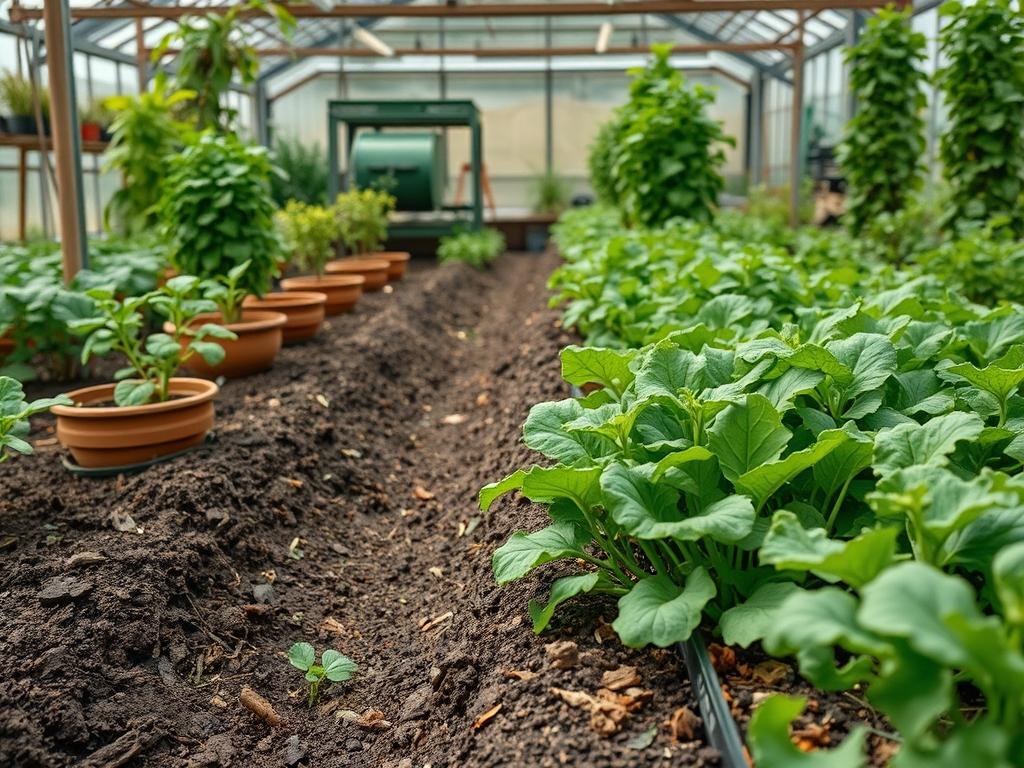
Integrating edible species into a refined landscape design requires a delicate balance between aesthetic form and functional utility. For the modern homeowner, the inclusion of Mustard Greens (Brassica juncea) offers more than just a culinary resource; these plants serve as vibrant, textural groundcovers and border fillers that define the transition between structured hardscaping and wilder garden zones. The challenge for a landscape architect lies in timing the harvest. If left too long, the plants bolt and become leggy, ruining the clean lines of a formal garden. However, when harvested with precision, they provide a rotating tapestry of deep purples and bright chartreuse that enhances curb appeal while rewarding the grower with a pungent, fresh crop. Strategic planning ensures that the removal of these plants for consumption does not leave unsightly gaps in the elevation layers of your outdoor living space.
The timing for harvesting garden mustard greens is dictated primarily by the intended use and the desired visual density within the landscape. For those using mustard as an ornamental fringe along a Flagstone walkway, the harvest often begins as early as 20 days after germination. At this “baby leaf” stage, the plants are roughly 3 to 4 inches tall, offering a delicate texture that complements the rigid edges of stone materials. Harvesting at this stage allows for a “cut and come again” approach, where only the outer leaves are removed, leaving the central growing point intact. This technique preserves the continuity of the garden’s visual border while providing a steady supply of tender greens. If a more dramatic architectural presence is desired, waiting 45 to 60 days allows the plants to reach full maturity, where their broad, crinkled leaves create a dense, ruffly mid-layer that hides the base of taller shrubs or sculptural elements.
Climate and microclimates within your site plan significantly influence several harvest variables. Mustard greens thrive in the cool windows of spring and autumn, where ambient temperatures remain between 45 and 75 degrees Fahrenheit. In a professional landscape layout, positioning these greens near northern-facing Retaining walls can extend the harvest window by providing much-needed shade as the sun rises higher in the sky. Conversely, early spring harvests benefit from the thermal mass of nearby Pavers or dark Mulch, which radiate heat and accelerate growth. Monitoring the forecast is essential; a sudden heat wave can trigger bolting, the process where the plant sends up a flower stalk. Once bolting begins, the foliage becomes bitter and the architectural symmetry of the plant disintegrates, signaling that the final harvest must occur immediately to maintain the garden’s professional appearance.
Landscape Design Principles
Successful integration of mustard greens into a high-end landscape requires adherence to core design principles, specifically symmetry and elevation layering. When used in a formal potager or a structured backyard, Mustard Greens should be planted in clusters rather than sporadic rows to create a sense of deliberate mass. By using the vibrant Red Giant variety as a focal point against a backdrop of dark green Evergreens, a designer can manipulate the viewer’s eye toward specific garden features. This use of color contrast creates depth and emphasizes the intentionality of the planting scheme.
Elevation layering is equally critical. Mustard greens typically occupy the foreground or middle-ground of a planting bed. By placing them in front of mid-sized perennials like Lavender or behind low-growing herbs like Thyme, you create a tiered effect that feels lush and established. Irrigation planning must be integrated into this design from the outset. Because mustard requires consistent moisture to prevent leaf toughness, the use of Drip irrigation lines hidden beneath a layer of Hardwood mulch is the gold standard. This ensures that the aesthetic of the garden is not disrupted by unsightly hoses while providing the precise water delivery needed for optimal leaf production.
Walkways and circulation paths should also influence where you plant and when you harvest. Placing mustard greens within reach of a secondary path encourages frequent, light harvesting, which keeps the plants rejuvenated and promotes new, compact growth. This “maintenance harvesting” prevents the greens from encroaching upon the path, ensuring that the clear lines of the Landscape edging remain visible and sharp throughout the growing season.
Plant and Material Selection
The following selection of cultivars and materials is recommended for creating a high-performance edible landscape with a focus on mustard greens.
| Plant Type | Sun Exposure | Soil Needs | Water Demand | Growth Speed | Maintenance Level |
| :— | :— | :— | :— | :— | :— |
| Red Giant Mustard | Full Sun to Part Shade | Loamy, pH 6.0-7.5 | High | Fast (45 days) | Moderate |
| Mizuna | Full Sun | Well-drained | Medium | Very Fast (35 days) | Low |
| Curly Green Mustard | Full Sun | Nutrient-rich | High | Moderate (50 days) | Moderate |
| Organic Cedar Mulch | N/A | Weed suppression | N/A | N/A | Low |
| Decomposed Granite | N/A | Path material | N/A | N/A | Medium |
| Slow-release Fertilizer | N/A | Nitrogen-heavy | N/A | N/A | Low |
Implementation Strategy
Implementing a professional-grade mustard green harvest zone begins with proper site grading. The area must be leveled or slightly sloped to ensure that water does not pool around the root zones, as brassicas are susceptible to root rot in anaerobic soil conditions. Once the grade is established, the installation of Landscape edging, such as steel or aluminum strips, provides a crisp boundary that prevents the mustard greens from sprawling into lawn areas or gravel paths. This edging serves as a structural frame for the soft, organic forms of the greens.
Next, focus on soil preparation. Incorporating 3 inches of high-quality compost into the top 6 inches of soil provides the nitrogen-rich environment these leafy plants crave. For a backyard layout, consider the use of “pocket planting” within a larger ornamental bed. This involves removing specific sections of mulch and replacing them with a custom soil mix designated for the greens. After sowing or transplanting, apply a layer of Double-ground mulch at a depth of 2 inches, keeping it away from the direct stems of the plants to promote airflow.
Hardscaping elements like Raised beds or Stone borders can further define the harvesting zone. These structures elevate the plants, making the harvest easier on the back and protecting the greens from soil splash during rain events. When the plants reach the desired height of 6 inches, use professional Pruning shears to make clean cuts. Horizontal cuts across the outer leaves promote a symmetrical regrowth pattern, ensuring the “edible” part of the landscape remains as beautiful as the “ornamental” part.
Common Landscaping Failures
The most frequent mistake in edible landscaping is improper spacing, leading to root overcrowding. When mustard greens are planted too closely, they compete for nutrients and airflow becomes restricted. This microclimate encourages powdery mildew, which can quickly spread to other ornamental species in the garden. For a professional finish, space individual plants at least 12 inches apart to allow each to reach its full sculptural potential.
Drainage mistakes also rank high among common failures. If the garden is situated at the base of a slope without a proper French drain or similar mitigation, the soil will become compacted and waterlogged. Mustard greens in compacted soil produce stunted, bitter leaves that are unpalatable and visually lackluster. Similarly, irrigation inefficiencies, such as overhead sprinkling, can lead to soil-borne pathogens splashing onto the leaves. Transitioning to a sub-surface irrigation system is the most effective way to eliminate this risk while conserving water.
Seasonal Maintenance
Seasonal management of mustard greens follows a distinct cycle that mirrors the broader landscape’s needs. In the spring, focus on soil warming and protection from late frosts using Row covers if necessary. This is the prime time for a high-intensity harvest as the plants grow rapidly. As summer approaches, the heat will eventually cause the mustard to fail. At this point, the landscape professional should remove the plants entirely and replace them with heat-tolerant annuals or a summer cover crop to maintain the garden’s fullness.
In the autumn, a second planting of mustard greens can be introduced as the summer heat fades. This late-season crop often produces the most vibrant colors, particularly in purple varieties, as the cooler nights intensify anthocyanin production. Throughout the winter, in milder climates, mustard greens can persist under Horticultural fleece, providing much-needed winter interest when most other plants have gone dormant. Regular removal of yellowing lower leaves throughout all seasons is required to keep the garden looking manicured and to prevent the buildup of pests like aphids.
Professional Landscaping FAQ
How do I know the exact moment to harvest?
Harvest mustard greens when leaves reach 4 to 6 inches for optimal flavor. If the central stem begins to elongate and thicken, the plant is bolting; harvest the entire plant immediately to prevent bitterness and maintain garden aesthetics.
Will harvesting the greens leave empty spots in my landscape?
Utilize the “cut and come again” method by removing only the outer leaves. This keeps the plant’s structural silhouette intact. For full-head harvesting, stagger your planting dates by 14 days to ensure a continuous green canopy.
What is the best tool for a clean harvest?
Use sharpened Micro-tip snips or high-quality Bypass pruners. Clean cuts heal faster and reduce the risk of disease entry, which is vital for maintaining the overall health of a multi-species landscape bed.
How does mulch type affect my mustard harvest?
Straw mulch or Pine bark nuggets keep the leaves clean by preventing soil splash during irrigation. Clean leaves require less processing after harvest and remain visually striking against the dark soil tones of a professional garden.
Can I grow mustard greens in containers on a patio?
Yes, mustard greens excel in large Terracotta or Glazed ceramic pots. Ensure the containers have adequate drainage holes and use a high-quality potting mix. This allows for mobile landscaping, where plants can be moved for optimal sun exposure.