
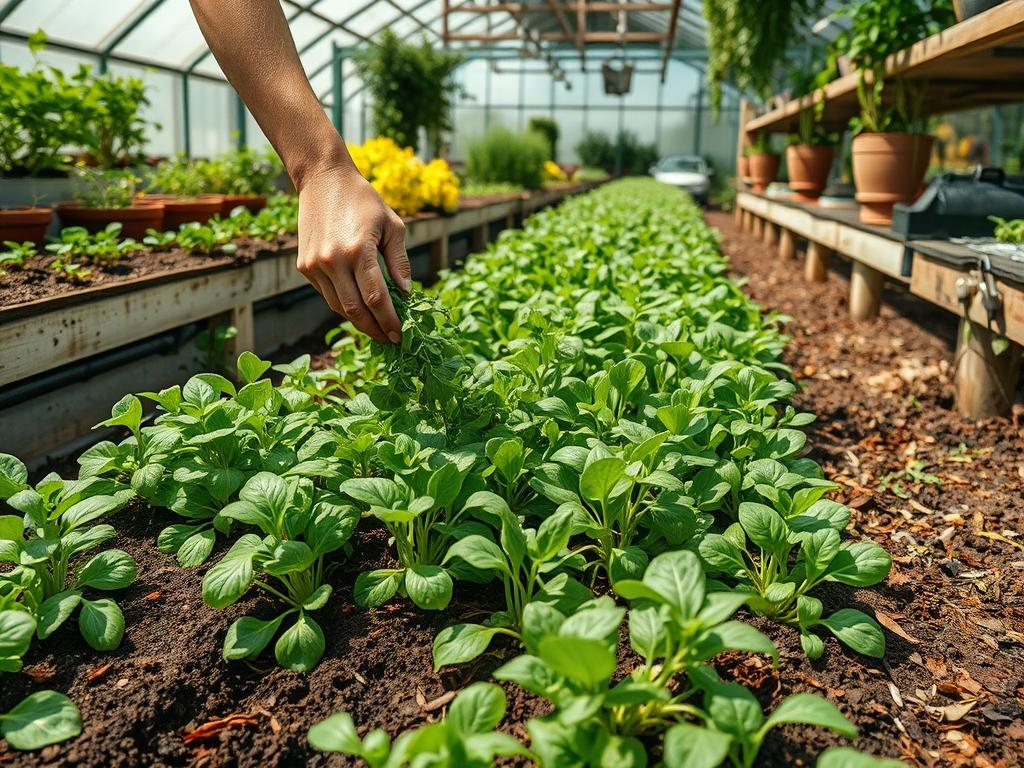
Integrating edible elements into a sophisticated residential landscape requires a delicate balance between aesthetic consistency and production efficiency. For homeowners and estate managers, the challenge often lies in maintaining the visual appeal of a garden while ensuring that specialty crops, such as Arugula, remain palatable and tender. From a landscape architect’s perspective, the primary goal is to manage the environment so that the transition from a decorative ground cover to a culinary resource is seamless. The quality of a harvest is deeply influenced by the site’s orientation, the proximity to heat-retaining hardscapes, and the efficiency of the underlying drainage systems. When the focus shifts to Picking Fresh Arugula, one must understand that the plant’s chemical profile is a direct reflection of its surroundings. Stress, heat, and moisture fluctuations lead to an increase in glucosinolates, which are the compounds responsible for the pungent, often overwhelming “spiciness” that can ruin a gourmet salad.
Successful outdoor environments designed for edible yields must account for microclimates. Arugula is a cool-season annual that thrives when soil temperatures remain stable and air circulation is consistent. To ensure the highest quality before the heat of summer sets in, the landscape must be engineered to provide shade and moisture retention. This involves more than just planting; it requires a structural approach to the backyard footprint. By utilizing Retaining Walls or high-quality Steel Edging, the landscape professional defines the boundaries where cultivation occurs, preventing the encroachment of aggressive turf grasses. When we consider the curb appeal of a property, the sight of bolting, yellowing greens can be a detraction. Therefore, the architectural plan should prioritize succession planting and strategic harvesting as part of the ongoing maintenance cycle.
Landscape Design Principles
In the realm of high-end landscape architecture, symmetry and focal points act as the backbone of the space. To integrate edible crops without sacrificing elegance, we employ the concept of “focal utility.” This involves placing leafy greens like Arugula within a structured frame, such as a parterre garden or a series of tiered Cedar Planters. Elevation layers are critical here; by raising the planting beds by 12 inches to 24 inches, we improve the ergonomic experience of the gardener and facilitate superior drainage. A well-designed elevation prevents the “pooling” of water, which can lead to root rot and bitter foliage.
Irrigation planning is perhaps the most technical aspect of the design. Traditional overhead sprinklers are often insufficient for delicate greens because they can damage the primary leaves and lead to fungal issues. Instead, a subsurface Drip Irrigation System ensures that moisture reaches the root zone directly. This consistency is the secret to Picking Fresh Arugula that tastes nutty rather than acrid. Visual balance is maintained by surrounding these edible zones with evergreen shrubs or structured perennials. This “layering” ensures that even after a heavy harvest, the garden remains lush and cohesive. Walkways made of Decomposed Granite or Flagstone should lead directly to these zones, providing clean access for daily inspections and harvesting.
Plant and Material Selection
The following table outlines the architectural specifications for the plants and materials used in a high-performance edible landscape. These selections provide the necessary framework to support the growth of cool-season greens while maintaining a professional aesthetic.
| Plant Type | Sun Exposure | Soil Needs | Water Demand | Growth Speed | Maintenance Level |
| :— | :— | :— | :— | :— | :— |
| Arugula | Partial Shade | Loamy, pH 6.0-7.0 | High / Consistent | Fast | Moderate |
| Boxwood Shrubs | Full Sun / Part | Well-Drained | Low to Moderate | Slow | High (Pruning) |
| Rosemary | Full Sun | Sandy, Dry | Very Low | Moderate | Low |
| River Rock | N/A | Subsoil Base | N/A | N/A | Low |
| Mulch (Cedar) | N/A | Organic Layer | N/A | N/A | Annual Update |
| Sweet Alyssum | Full Sun | Balanced | Moderate | Fast | Low |
Choosing the right materials is just as important as the plants themselves. Using Organic Humus and a 2-inch layer of Shredded Bark Mulch helps regulate soil temperatures. This is vital because once the soil exceeds 75 degrees Fahrenheit, arugula begins its biological process of bolting. At this stage, the plant shifts its energy from leaf production to seed production, causing the flavor to become intensely hot. Selecting companion plants like Alyssum can provide a carpet of white flowers that shades the soil while attracting beneficial insects.
Implementation Strategy
The transition from a design blueprint to a functional garden requires a methodical implementation strategy. First, the site must undergo proper grading to ensure that water moves away from the home’s foundation and prevents stagnant areas. If the landscape is flat, installing a French Drain or custom Drainage Trench filled with 1-inch River Rock can solve percolation issues. Once the grade is established, the “hardscaping” elements, such as stone borders or wooden beds, are installed to create the “bones” of the garden.
For the edible beds, we recommend a “sub-base” of 6 inches of coarse gravel if the natural soil is heavy clay. On top of this, a blend of Topsoil, Compost, and Perlite should be added to a depth of at least 12 inches. When it comes to the actual process of Picking Fresh Arugula, timing is everything. Begin harvesting when the leaves are between 2 inches and 4 inches in length. Using a pair of Bypass Pruners or sharp garden shears, cut the outer leaves first, allowing the center of the plant to continue growing. This “cut and come again” method extends the life of the landscape element and ensures a steady supply of mild-tasting greens. Edging is also crucial; use Aluminum Edging to create a crisp line between the lush green of the arugula and the surrounding mulch or gravel paths.
Common Landscaping Failures
The most frequent mistake in landscape management is neglecting the “bottom-up” health of the site. Drainage mistakes are the primary culprit for plant failure. If the water cannot escape the root zone, the soil becomes anaerobic, leading to stressed plants that bolt prematurely. Another common issue is root overcrowding. In an attempt to achieve an “instant” lush look, many designers plant too densely. For arugula, a spacing of 4 inches to 6 inches between plants is necessary to allow for adequate airflow. Without this, powdery mildew can quickly devastate the crop, ruining the visual appeal of the garden.
Soil compaction is another silent killer. Heavy foot traffic near planting beds can compress the soil, preventing oxygen from reaching the roots. To avoid this, designers should incorporate predefined “stepping stones” or Paver Paths. Furthermore, irrigation inefficiencies often result from a “set it and forget it” mentality. If the irrigation controller is not adjusted for the change in seasons, the plants may either drown in the spring or desiccate in the early summer heat. This stress is what triggers the survival mechanism in the plant, resulting in that overly spicy flavor profile that most homeowners find unappealing.
Seasonal Maintenance
Effective landscape management changes with the calendar. In the Spring, focus on soil preparation and the installation of cool-weather crops. This is the peak time for Picking Fresh Arugula. Ensure the irrigation system is tested and that all filters are cleaned. As we transition into Summer, the landscape architect must implement shading strategies. Using 70% Shade Cloth or strategically positioned taller perennials can drop the temperature of the arugula bed by several degrees.
During the Autumn, the cycle begins again. The soil should be refreshed with new Compost and the summer’s mulch should be turned or replaced. This is a second window for growing greens before the first frost. In the Winter, the landscape enters a dormant phase. This is the time to inspect the “hardscape” for damage. Check for cracked Concrete, shifting Retaining Walls, or rusted Hardware. Pruning permanent shrubs and cleaning garden tools with Isopropyl Alcohol ensures that the garden is ready for the next cycle of growth. This proactive approach ensures that the environment remains both a beautiful extension of the home and a productive food source.
Professional Landscaping FAQ
How does soil temperature affect picking fresh arugula?
High soil temperatures trigger the plant to produce defensive chemicals. By using Mulch and Drip Irrigation, you keep the roots cool, ensuring the leaves remain mild and tender for a much longer harvest window.
What is the best tool for harvesting delicate garden greens?
Precision is key for maintaining plant health. Use Micro-tip Snips or Stainless Steel Shears to make clean cuts. This prevents bruising the foliage and allows the plant to recover and regrow quickly for future harvests.
Can I grow arugula in a high-traffic curb appeal area?
Yes, if used as a decorative border. The key is using Steel Edging to keep the beds looking formal. Arugula’s jagged leaves offer a unique texture that complements traditional ornamental plants like Boxwoods.
Which irrigation method is best for preventing bitter leaves?
A Soaker Hose or Low-Flow Drip System is superior. Consistent moisture prevents the physiological stress that causes arugula to bolt and turn spicy. Avoid overhead watering, which can invite disease and pests.
When should I replace my arugula plants in the landscape?
Once the plant develops a central “flower stalk,” it is time to remove it. At this stage, the foliage is too bitter. Replace them with heat-tolerant herbs like Basil to maintain the garden’s lush appearance.