
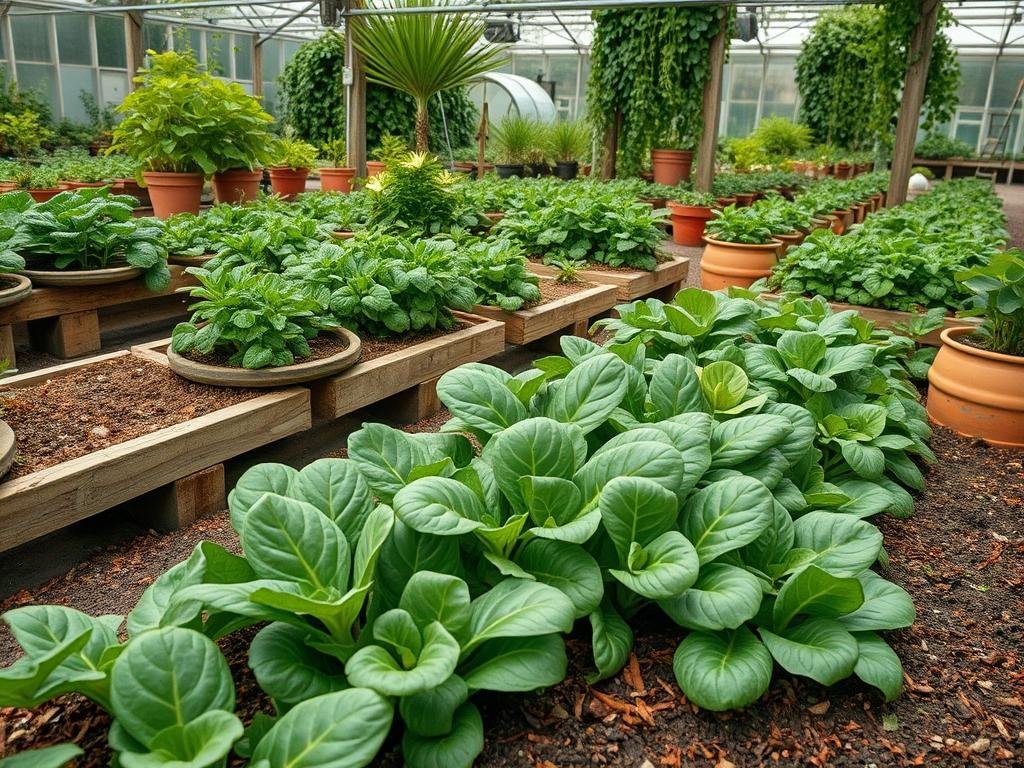
Achieving a high-quality harvest in a functional landscape requires more than just biological luck; it demands a rigorous understanding of microclimates and soil thermodynamics. From an architectural standpoint, the kitchen garden should serve as a lush, emerald focal point that enhances the overall site design while providing a consistent yield. The primary challenge when Harvesting Garden Spinach is the plant’s sensitivity to temperature shifts and solar radiation. When the ambient temperature rises or the soil loses its moisture consistency, the plant undergoes physiological stress, leading to the production of oxalic acid and defensive alkaloids. These chemical changes result in the dreaded bitter profile that ruins a seasonal harvest. As a landscape consultant, I view the spinach bed not merely as a vegetable patch, but as a controlled environmental zone where we manipulate shade, hydration, and elevation to extend the cooling cycle of the root zone.
Integrating food production into a residential landscape also impacts curb appeal and outdoor functionality. A poorly managed spinach plot can quickly become an eyesore of bolting stalks and yellowing foliage if the design does not account for the plant’s brief lifecycle. By utilizing structural elements like raised stone planters or decorative cedar beds, we can elevate the crop to a convenient working height while simultaneously improving drainage and soil temperature regulation. Proper site placement, such as positioning the greens in the dappled shade of a Japanese Maple or behind a structural trellis, ensures that the plants remain productive long after the spring heat arrives. The goal is to create a seamless transition between the aesthetic hardscaping and the utilitarian green space, ensuring the landscape remains visually balanced throughout the growing season.
Landscape Design Principles
Successful garden planning begins with the application of symmetry and visual hierarchy. When designing a space for Harvesting Garden Spinach, we must consider the plant’s low profile and fine texture. Using it as a ground-level filler within a tiered landscape design creates a sense of lushness. We often employ elevation layers to separate the fast-growing greens from permanent woody ornamentals. For example, placing spinach in the foreground of a perennial border allows for easy access while the taller plants behind it provide the necessary afternoon shade to prevent bitterness.
Irrigation planning is another critical design pillar. A high-efficiency drip irrigation system should be integrated into the initial layout to ensure the root zone remains consistently hydrated without wetting the delicate foliage, which can lead to fungal issues. Walkways are equally vital; we design flagstone paths or gravel walkways at least 36 inches wide to allow for comfortable harvest access without compacting the surrounding soil. Visual balance is maintained by grouping different spinach varieties by leaf texture, such as contrasting the deeply crinkled savoy types with smooth-leafed cultivars, creating a mosaic of greens that looks intentional rather than haphazard.
Plant and Material Selection
Selecting the right cultivars and support materials is the foundation of a bitterness-free harvest. We prioritize varieties that are genetically predisposed to heat resistance and slow bolting.
| Plant Type | Sun Exposure | Soil Needs | Water Demand | Growth Speed | Maintenance Level |
| :— | :— | :— | :— | :— | :— |
| Bloomsdale Long Standing | Partial Shade | Nitrogen-rich | High | Moderate | Medium |
| Tyee F1 Spinach | Partial Sun | Well-drained | Moderate | Fast | Low |
| Red Cardinal | Full Sun/Part Shade | Loamy | High | Very Fast | High |
| Monstrueux de Viroflay | Partial Shade | Deep organic | Moderate | Fast | Medium |
| Space Spinach | Partial Sun | Standard potting | Moderate | Average | Low |
In addition to the plants themselves, the choice of soil amendments and hardscaping materials is paramount. We recommend a triple-mix soil consisting of one-third compost, one-third peat moss, and one-third vermiculite. This mixture ensures optimal aeration and moisture retention. For the architectural surround, untreated cedar or natural limestone are preferred for their durability and neutral aesthetic that complements the vibrant green of the spinach.
Implementation Strategy
The implementation phase starts with meticulous site grading. We ensure the area has a gentle 2 percent slope away from nearby structures to prevent water from pooling at the base of the crop. Once the grade is established, we install steel edging or pressure-treated timber to define the bed boundaries. This edging serves as a physical barrier against encroaching lawn grasses and provides a clean, professional finish to the garden layout.
Next, we address the soil structure. After filling the beds with the specified triple-mix, we apply a 2-inch layer of shredded cedar mulch or straw. Mulching is the single most effective way to prevent bitter leaves because it insulates the soil against temperature spikes. For the planting layout, we utilize a staggered grid pattern to maximize space while ensuring each plant has at least 6 inches of airflow on all sides. As the plants mature, we use a hand-held garden trowel or sharpened harvesting knives to take only the outer leaves. This “cut and come again” method keeps the plant in a juvenile, sweet state and delays the hormonal shift toward flowering.
Common Landscaping Failures
The most frequent mistake in spinach cultivation is improper site orientation. Placing spinach in a full-sun southern exposure during late May will almost certainly lead to bitter leaves and rapid bolting. Another common failure is soil compaction. When homeowners walk directly on the growing medium, they crush the air pockets necessary for root respiration, leading to stunted growth and stressed, bitter foliage. Using designated access planks or permanent stone steppers can mitigate this issue.
Irrigation inefficiencies also play a major role in crop failure. Overhead watering during the heat of the day causes rapid evaporation and can scorch the leaves through a magnifying glass effect. Furthermore, root overcrowding is a frequent oversight; failing to thin the seedlings inhibits air circulation and creates competition for nutrients. Finally, neglecting the nitrogen cycle can result in pale, tough leaves. Spinach is a heavy feeder, and a lack of supplemental blood meal or liquid seaweed fertilizer during the midpoint of the growth cycle will often result in a poor-tasting harvest.
Seasonal Maintenance
Landscape management for spinach is a four-season commitment. In the spring, the focus is on soil preparation and early planting as soon as the ground can be worked with a garden fork. This is the time to check the irrigation timers and ensure the lines are clear of winter debris. As we transition into summer, maintenance shifts to heat management. We may install 30 percent density shade cloth over the beds during the hottest weeks to artificially extend the harvesting window.
Autumn is the second peak season. Once the summer heat breaks, we clear out the spent summer annuals and replant a fresh crop of cold-hardy varieties like Giant Winter Spinach. The cooling soil naturally enhances the sugar content in the leaves, making this the best time for a sweet harvest. In winter, the landscape architect’s role is one of protection. We use cold frames or low height tunnels made of PVC hoops and 6-mil polyethylene plastic to shield the soil from deep freezes. This allows the roots to survive, often providing a very early spring harvest as soon as the light levels begin to increase in February.
Professional Landscaping FAQ
How does soil temperature affect the taste of my spinach?
High soil temperatures trigger the plant’s reproductive cycle, known as bolting. This process redirects energy from leaf sugar production to seed development, resulting in a bitter flavor. Maintaining cool roots through mulching and irrigation is essential for sweet leaves.
What is the best time of day for Harvesting Garden Spinach?
The optimal time is early morning before the sun has reached its peak. At dawn, the plant’s sugar content is at its highest and the leaves are most turgid. This ensures the best texture and the sweetest flavor profile for the greens.
Can I use decorative mulch around my edible spinach beds?
Yes; however, you should avoid dyed mulches which may contain chemicals. Use natural cedar mulch or pine bark nuggets. These materials provide excellent thermal insulation for the root zone while maintaining a sophisticated, professional appearance in the backyard.
Why are my spinach leaves turning yellow before I can harvest?
Yellowing is usually a sign of nitrogen deficiency or poor drainage. In a professional landscape, we ensure the soil is porous and rich in organic matter. If the site stays too wet, oxygen cannot reach the roots, causing stress.
How far apart should I space my spinach plants?
For maximum yield and health, space plants 4 to 6 inches apart. This spacing allows for adequate airflow and reduces competition for water. Proper spacing is a key design principle that prevents the humidity buildup that leads to disease.