
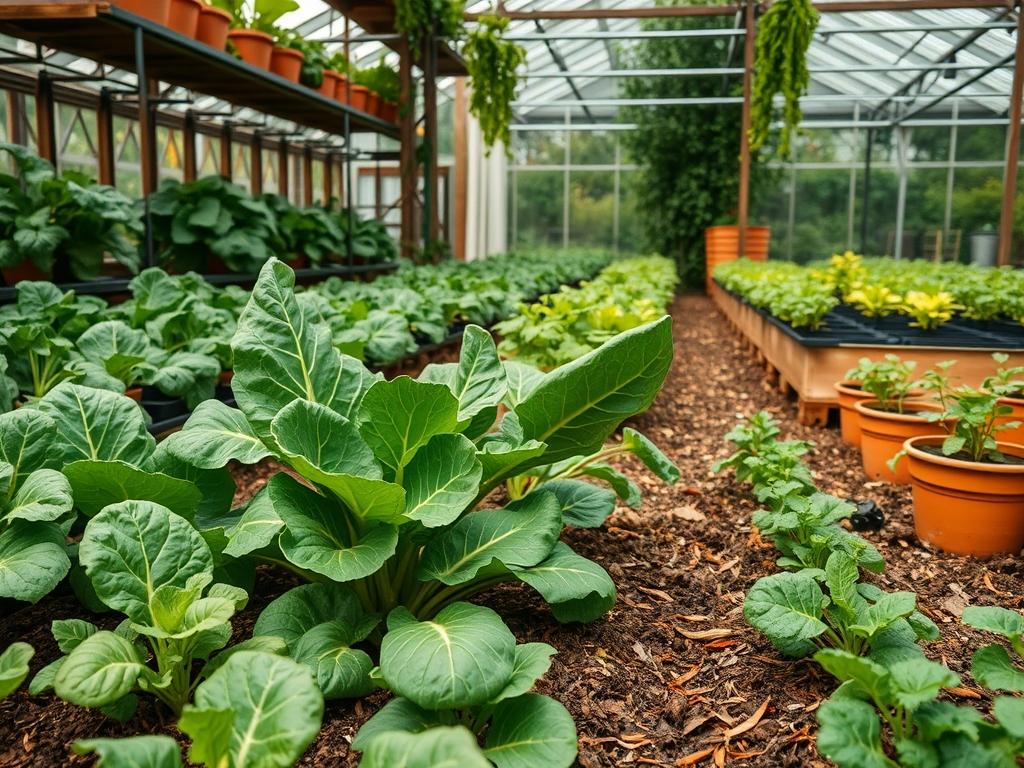
Integrating edible horticulture into a high-end residential landscape requires a delicate balance between utility and aesthetics. For many homeowners, the challenge lies in maintaining a garden that looks pristine throughout the seasons while still providing a functional harvest. Swiss Chard represents one of the most versatile biological assets for this purpose, serving as both a vibrant ground level filler and a source of nutritional produce. Unlike many seasonal vegetables that fade after a single harvest, the technique of Picking Fresh Swiss Chard consistently throughout the growing season ensures that the plant remains a lush, structural component of the garden. From a landscape design perspective, this plant offers incredible curb appeal due to its colorful stalks, ranging from deep crimson to neon yellow. By managing the harvest correctly, we prevent the plant from becoming leggy or unkempt, preserving the geometric integrity of the garden beds. This dual-purpose approach satisfies the modern demand for outdoor environments that are both beautiful to look at and productive to inhabit, particularly in temperate climates where the growing season can be extended through careful planning and soil management.
LANDSCAPE DESIGN PRINCIPLES
When designing a landscape that incorporates edible elements like Swiss Chard, symmetry and focal points are essential to avoid the chaotic look of a traditional backyard vegetable patch. We often use Swiss Chard as a mid-layer plant in tiered garden beds to bridge the gap between low-creeping groundcovers and taller woody shrubs. By placing these plants in groups of three or five, we create a rhythmic visual flow that guides the eye across the landscape. Elevation layers are equally important; planting chard in raised retaining walls or elevated planters provides better visibility for its colorful stems and improves ergonomic access for harvesting. This elevation also assists with drainage, which is a critical factor for preventing root rot in denser soil types.
Walkways should be integrated into the design to allow the homeowner to reach the plants without compacting the surrounding soil. We recommend a path width of at least 36 inches to accommodate maintenance equipment. The use of natural stone pavers or crushed gravel provides a clean contrast to the organic texture of the broad, crinkled leaves. Furthermore, irrigation planning must be subtle yet effective. Drip irrigation lines should be buried beneath a layer of hardwood mulch to provide consistent moisture to the root zone without detracting from the visual appeal. Visual balance is achieved by pairing the bold, architectural leaves of the chard with finer-textured plants like Creeping Thyme or Lavender, creating a sophisticated tapestry of foliage that remains attractive even after several outer leaves have been harvested.
PLANT AND MATERIAL SELECTION
| Plant Type | Sun Exposure | Soil Needs | Water Demand | Growth Speed | Maintenance Level |
| :— | :— | :— | :— | :— | :— |
| Swiss Chard | Full Sun to Part Shade | Loamy, pH 6.0-7.5 | Moderate | Fast | Medium |
| French Marigold | Full Sun | Well-drained | Low | Moderate | Low |
| Ornamental Kale | Full Sun | Rich, Organic | Moderate | Slow | Low |
| Creeping Thyme | Full Sun | Sandy, Gritty | Very Low | Moderate | Low |
| Rosemary | Full Sun | Well-drained | Low | Moderate | Low |
| Sweet Alyssum | Sun to Part Shade | Average | Moderate | Fast | Low |
IMPLEMENTATION STRATEGY
The successful implementation of a landscape containing edible greens begins with professional site preparation. First, the area must be cleared of existing debris and weeds using a pointed spade or power sod cutter. Grading is the next vital step; the land must be sloped at a minimum of two percent away from the home foundation to ensure proper drainage. Once the grade is established, we suggest installing steel edging or pressure-treated timber to define the garden borders clearly. This creates a “clean line” aesthetic that separates the manicured turf from the productive planting zones.
When planting, the hole for each Swiss Chard seedling should be twice the width of the root ball and exactly the same depth. Incorporate a high-quality compost or organic fertilizer with a balanced nitrogen-phosphorus-potassium ratio to stimulate early leaf development. After the plants are in the ground, apply a 3-inch layer of cedar mulch or pine bark nuggets. This mulch serves three purposes: it retains moisture, suppresses invasive weeds, and keeps the lower leaves of the chard clean from soil splashback during rain events. For the irrigation system, install a backflow preventer and a timer to ensure the plants receive a deep soak of at least one inch of water per week. Consistent moisture is the secret to tender stalks and vibrant leaf color, ensuring the plant looks spectacular from every angle of the backyard.
COMMON LANDSCAPING FAILURES
One of the most frequent errors in garden planning is improper drainage, leading to waterlogged soil that suffocates the root system. If a site has heavy clay, we must install a French drain or incorporate substantial amounts of perlite and organic matter to improve porosity. Another common failure is root overcrowding. While it is tempting to plant densely for an immediate “full” look, the lack of air circulation creates a microclimate for powdery mildew and aphids. Swiss Chard should be spaced approximately 12 to 15 inches apart to allow for mature leaf spread.
Soil compaction is a silent killer in many residential landscapes, often caused by foot traffic too close to the planting zones. To prevent this, define clear boundary lines using hardscaping elements like stone borders. Irrigation inefficiencies are also a major concern; overhead watering can lead to fungal diseases on the broad leaves of chard. Instead, always utilize soaker hoses or drip emitters at the base of the plant. Finally, neglecting the harvest is a significant aesthetic mistake. If the older, outer leaves are not regularly removed, they will eventually yellow and collapse, inviting pests and making the entire garden bed look neglected. Regular maintenance through Picking Fresh Swiss Chard actually stimulates the plant to produce new, healthy growth from the center, keeping the foliage dense and colorful.
SEASONAL MAINTENANCE
In the spring, maintenance focuses on soil preparation and initial planting. Apply a slow-release fertilizer and check the irrigation lines for any leaks that may have occurred during the winter freeze. As the weather warms into summer, the primary task is consistent harvesting. Gently pulling or cutting the outer stalks when they reach 8 to 10 inches in height encourages the crown to continue producing. This “cut and come again” method is what allows the plant to stay productive for months. During the peak of summer heat, ensure the mulch depth is maintained to keep the root zone cool.
As autumn approaches, the color of Swiss Chard often intensifies with the cooling temperatures, making it a star of the fall landscape. At this stage, gardeners should remove any bolting stalks that attempt to go to seed, as this diverts energy away from leaf production. Once the first hard frost arrives, the plant may wilt, but it is often surprisingly resilient. For winter management, in milder climates, a heavy layer of straw mulch or the use of cold frames can keep the chard viable into the early winter months. In colder zones, the old plant material should be cleared out after the ground freezes to prevent pests from overwintering in the debris, leaving a clean slate for the following spring design.
PROFESSIONAL LANDSCAPING FAQ
How does harvesting affect the appearance of Swiss Chard?
Regularly removing the outer leaves prevents the plant from becoming oversized and messy. This keeps the central growth compact and vibrant, ensuring the garden maintains its intended structural form and color palette throughout the growing season.
What is the best way to handle poor drainage in my garden?
Install a subsurface drainage system or build raised beds. Incorporating coarse sand and compost into the soil will also help increase the infiltration rate, preventing water from pooling around the sensitive root systems of your plants.
Can Swiss Chard survive in partial shade in a landscape design?
Yes, while it prefers full sun, this plant is quite tolerant of partial shade. In fact, some afternoon shade can prevent the leaves from wilting during extreme summer heat, helping the foliage stay crisp and visually appealing.
How deep should my mulch layer be for vegetable landscapes?
A depth of two to three inches is ideal. This thickness is sufficient to suppress weed growth and retain soil moisture without preventing oxygen from reaching the roots or causing rot around the base of the plant stems.
When should I replace my Swiss Chard plants?
Replace them once they begin to bolt or when the stalks become excessively woody and the leaves turn bitter. In most temperate zones, this occurs after a full season of growth or following a period of sustained high heat.