
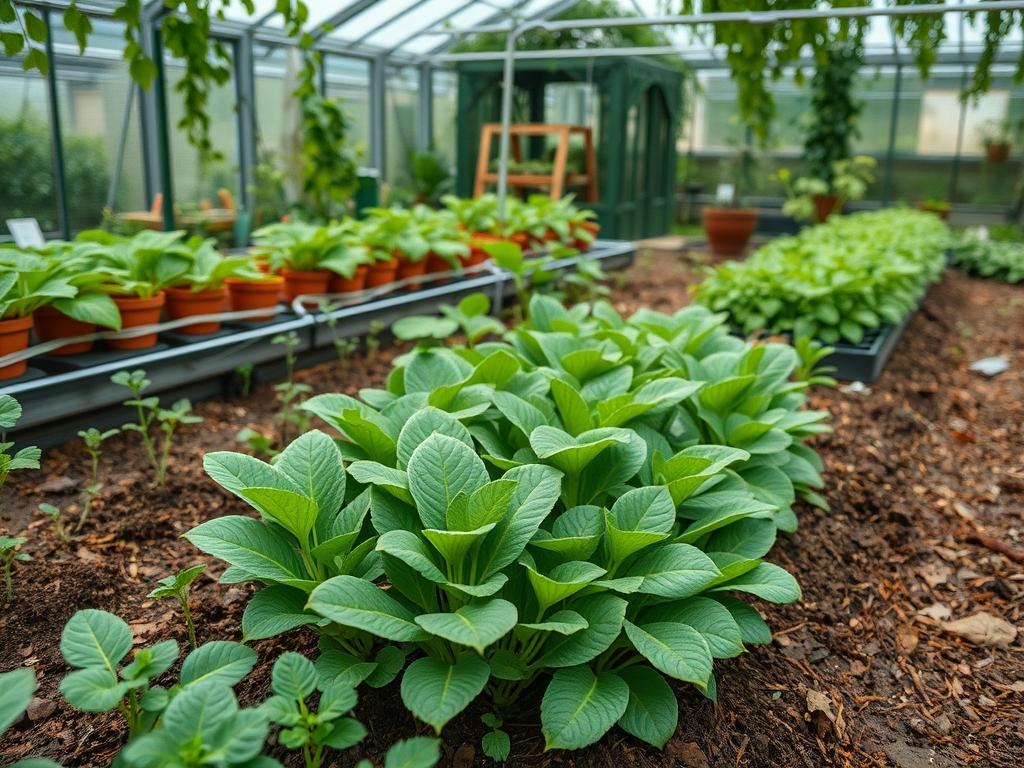
Integrating a functional edible component into a professional landscape design requires a delicate balance between seasonal utility and year round aesthetic appeal. Landscape architects often face the challenge of maintaining visual interest during the transition into the cooler months when traditional perennials enter dormancy. Tatsoi, a versatile Asian brassica, serves as a premier solution for this transition. Its low profile and unique rosette growth pattern provide a structural elegance that mimics architectural groundcovers while offering a high yield for the kitchen. When planning for Harvesting Garden Tatsoi, the consultant must consider the plant as more than a food source; it is a structural element that defines the edges of a winter garden. Successful implementation depends on a deep understanding of microclimates, topographical drainage, and the physical characteristics of the site. A well planned garden layout ensures that these greens remain accessible even during inclement weather, using hardscaping features like Flagstone Walkways and Raised Steel Edging to bridge the gap between utility and beauty. To achieve the best results, the landscape must be engineered to provide adequate sunlight during the shorter days of autumn and winter, while protecting the delicate root systems from the cyclic freezing and thawing of the soil.
Landscape Design Principles
A successful landscape design utilizing cool season greens relies on the core principles of symmetry and focal points. Tatsoi is a naturally symmetrical plant, growing in a tight, circular pattern that draws the eye toward the center of the bed. This geometric consistency allows the landscape architect to use it as a repeating module in formal garden layouts. For example, planting Tatsoi at 8 inch intervals along the perimeter of a Boxwood hedge creates a layered effect that maintains curb appeal even as the surrounding turf turns brown.
Elevation layers are another critical consideration. Because Tatsoi grows relatively low to the ground, usually topping out at 4 inches in height, it must be positioned at the forefront of the viewing plane. Placing it behind taller structures like Ornamental Grasses or Winterberry shrubs would obscure its architectural form. To enhance visibility, designers often utilize L-Shaped Retaining Walls or slightly mounded Berm Landscapes. These features lift the plants closer to eye level and facilitate easier access for the homeowner. Furthermore, irrigation planning must account for the decreased evaporation rates of the cooler months. A Drip Irrigation System with Pressure-Compensating Emitters is ideal for these beds, as it delivers moisture directly to the root zone without wetting the foliage, which can lead to fungal issues in cold, stagnant air.
Visual balance is achieved by pairing the deep, glossy green of the Tatsoi leaves with contrasting textures. The use of Light Gray River Rock or Golden Shredded Bark Mulch as a backdrop can make the dark rosettes stand out. Walkways should be planned to ensure that harvesting does not require stepping on saturated soil, which leads to compaction. A path constructed of Stabilized Decomposed Granite or Course Gravel provides a stable, high drainage surface that complements the organic nature of the planting beds.
Plant and Material Selection
Selecting the right cultivars and supporting materials is essential for a resilient winter landscape. The following table outlines the specifications for incorporating Tatsoi and its companions into a professional site plan.
| Plant Type | Sun Exposure | Soil Needs | Water Demand | Growth Speed | Maintenance Level |
| :— | :— | :— | :— | :— | :— |
| Tatsoi | Full Sun to Partial Shade | Rich, Well-Drained Loam | Moderate | Fast (45 Days) | Low |
| Winter Bor Kale | Full Sun | High Organic Matter | Moderate | Slow to Moderate | Medium |
| Red Giant Mustard | Full Sun | Loamy Soil | High | Fast | Low |
| Pea Gravel (Mulch) | N/A | Permeable Base | N/A | N/A | Low |
| Cedar Mulch | N/A | N/A | N/A | N/A | Low |
| Bullnose Pavers | N/A | Compacted Sand Base | N/A | N/A | Low |
Implementation Strategy
The process of installing a cool season vegetable landscape begins with precision grading. Proper drainage is the most critical factor for survival in the cooler months. Use a Landscaping Rake to ensure the area slopes away from building foundations at a minimum of 2 percent. If the soil is heavy clay, the addition of Expanded Shale or Coarse Sand will improve aeration and prevent the waterlogging that often kills winter crops. Once the grade is established, define the garden boundaries using Powder-Coated Steel Edging or Pressure-Treated Timber. This provides a clean line that separates the garden beds from the surrounding lawn or hardscape.
For the planting phase, use a Hand Trowel to create holes that are twice the width of the Tatsoi root ball. Incorporate a light application of Slow-Release Granular Fertilizer into the bottom of each hole to support early root development. Space the plants roughly 10 inches apart to allow for the full expansion of the mature rosettes. After planting, apply a 2 inch layer of Organic Mulch, such as Leaf Mold or Straw, making sure to keep the mulch away from the direct contact of the plant stem to prevent rot. If the site is prone to high winds, the installation of Floating Row Covers supported by PVC Hoops or Steel Wire Supports can provide an extra layer of protection, acting as a mini-greenhouse that accelerates growth while protecting the delicate leaves from physical damage.
Common Landscaping Failures
One of the most frequent mistakes in winter landscape management is improper drainage. When water collects around the base of the plants, it can freeze and expand, causing physical damage to the plant crown and roots. This is often caused by depressions left in the soil during the planting phase or failing to clear debris from Drainage Grates. Another common failure is overcrowding. While it is tempting to plant densely for an immediate “full” look, Tatsoi requires adequate airflow to prevent powdery mildew and other cool weather pathogens. If the leaves of adjacent plants overlap significantly, moisture becomes trapped, leading to rapid decay.
Soil compaction is another silent killer of garden health. Heavy foot traffic on wet winter soil collapses the micropores that hold oxygen. To avoid this, always design the garden with clearly defined harvest paths using Step Stones or Timber Planks. Irrigation inefficiencies also plague many gardens. Homeowners often forget that wind and low humidity can dehydrate plants even when it is cold. However, over-watering in the winter is just as dangerous. A soil moisture meter should be used to ensure the ground remains damp but not saturated. Finally, failing to monitor for pests like Slugs and Snails, which remain active in damp, cool conditions, can result in the complete loss of a crop overnight.
Seasonal Maintenance
Seasonal management of the Tatsoi landscape is a year round commitment that shifts with the temperature. In the spring, the focus should be on soil remediation. After the final harvest, incorporate Aged Compost into the beds to replenish the nutrients used by the winter crop. This is also the time to inspect Hardscaping for frost heave and readjust any shifted Pavers or Edging.
During the summer, the garden beds may be transitioned to heat tolerant crops, but the infrastructure for the winter harvest should remain. Keep the irrigation lines clear and free of mineral buildup using a Vinegar Solution or a dedicated Drip Line Cleaner. As autumn approaches, begin preparing the site by removing the remains of summer annuals and checking the integrity of any Windbreaks or Privacy Screens. This is the prime time for direct sowing or transplanting Tatsoi plugs into the prepared soil.
In the winter, maintenance involves active monitoring of the weather. If a deep freeze is predicted, providing extra insulation with Frost Blankets or a thicker layer of Pine Straw can save the harvest. Harvesting Garden Tatsoi should be done selectively; removing only the outer leaves allows the center of the rosette to continue growing, providing a continuous supply of greens through the season. Always use sharp Pruning Shears or a Harvesting Knife to ensure clean cuts that heal quickly. Finally, clear any heavy snow loads from the top of protective covers to prevent them from collapsing and crushing the plants underneath.
Professional Landscaping FAQ
What is the best temperature for Harvesting Garden Tatsoi?
Tatsoi is best harvested after a light frost, as the cold triggers the transition of starches into sugars, resulting in a sweeter flavor. Ideal temperatures range between 35 and 50 degrees Fahrenheit for the most crisp leaf texture.
How do I prevent root rot in winter vegetable beds?
Ensure the beds are elevated at least 6 inches above the surrounding grade. Use a high quality Potting Mix or Sandy Loam and avoid watering late in the evening when the moisture will sit on the soil surface overnight.
Can I grow Tatsoi in containers as part of my landscape?
Yes, Tatsoi excels in Stone Planters or Cedar Troughs. Ensure the containers have multiple Drainage Holes and are placed on Pot Feet to prevent them from freezing to the patio surface during the winter months.
Which mulch is best for cool season greens?
Pine Bark Fines or Shredded Straw are excellent choices. These materials provide high insulation values while allowing moisture to penetrate the soil. They also break down over time, adding valuable organic matter back into the garden ecosystem.
How long can I harvest from a single Tatsoi plant?
If you utilize the “cut and come again” method, you can harvest the outer leaves of a single Tatsoi rosette for 4 to 6 weeks. Eventually, the plant will attempt to bolt as the days lengthen in early spring.