
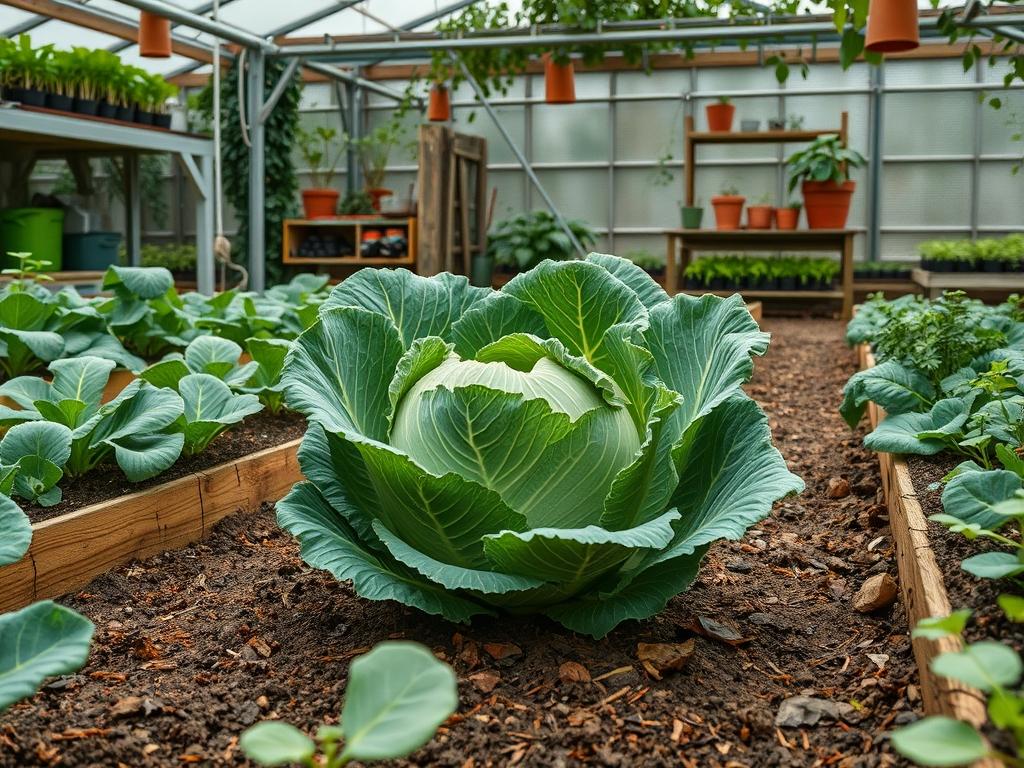
The integration of edible crops into a formal landscape requires a sophisticated understanding of both horticultural science and spatial design. When we approach the challenge of incorporating vegetables like cabbage into a residential or commercial setting, we must look beyond mere utility. The blue green hues and structural rosettes of certain varieties offer a unique sculptural quality that rivals many ornamental perennials. For the homeowner focused on the goal of harvesting garden cabbage for artisanal sauerkraut, the design must prioritize accessibility, soil productivity, and visual cohesion. A well planned edible landscape provides curb appeal while functioning as a high yield production zone. We must consider the site hydrology, the prevailing wind patterns, and the way light interacts with the broad, waxy leaves of the plants. Successful landscape architecture in this context means creating a space where the transition from a manicured walkway to a productive harvest bed feels intentional and seamless.
Landscape Design Principles
Building a landscape that supports high quality vegetable production involves several core architectural principles. Symmetry is a powerful tool here. By flanking a stone walkway with uniform rows of cabbage, we create a sense of order and rhythm that prevents the garden from looking cluttered. We often use the cabbage itself as a temporary focal point due to its dense, rounded form. In larger estate plans, we design in layers, placing lower growing crops at the front of the border and taller structural elements, such as trellised vines or columnar evergreens, in the background. This elevation layering ensures that every plant receives adequate sunlight and air circulation, which is critical for preventing the fungal issues often associated with dense leaf structures.
Irrigation planning is perhaps the most technical aspect of the design process. For a crop intended for kraut, consistent moisture is vital to prevent the heads from splitting or becoming overly bitter. We typically install subterranean drip systems or emitter lines hidden beneath a layer of high quality mulch. This delivery method keeps the foliage dry while directing hydration to the root zone, reducing the risk of black rot. Visual balance is achieved by contrasting the heavy, matte texture of the cabbage leaves with finer textures, such as ornamental grasses or delicate flowering herbs like dill. This contrast ensures the garden remains aesthetically pleasing even as the plants reach maturity and approach the window for harvesting garden cabbage.
Walkways should be constructed from durable, non slip materials like Thermally Modified Wood or Crushed Granite. These paths need to be wide enough, typically 36 to 48 inches, to allow for the passage of garden carts or harvesting baskets. When we design these routes, we consider the ergonomics of the harvest. A gardener should never have to overextend their reach to access a plant, as this leads to soil compaction near the root zone. By utilizing raised beds capped with wide timbers, we provide seating areas and clear boundaries that protect the integrity of the growing medium.
Plant and Material Selection
Selecting the right cultivars and hardscaping materials is the foundation of a successful edible landscape. The following table outlines the specifications for a balanced, productive environment.
| Plant Type | Sun Exposure | Soil Needs | Water Demand | Growth Speed | Maintenance Level |
| :— | :— | :— | :— | :— | :— |
| Late Flat Dutch Cabbage | Full Sun | Rich Loam | High | Slow | Moderate |
| Savoy King Cabbage | Full/Partial Sun | Organic Matter | Moderate | Medium | Moderate |
| Red Acre Cabbage | Full Sun | Well-Drained | Medium | Fast | Low |
| Rosemary (Companion) | Full Sun | Sandy/Gravelly | Low | Slow | Low |
| Sweet Alyssum (Edging) | Full/Partial Sun | Average | Moderate | Fast | Low |
| Basalt Stone Edging | N/A | Compacted Subbase | N/A | N/A | Low |
Implementation Strategy
The implementation phase begins with professional grading to ensure that water moves away from the foundation of the home and toward the designated growing areas. We start by stripping the existing sod and testing the soil for pH and nutrient density. Cabbage thrives in a slightly acidic to neutral environment, usually between 6.0 and 7.5 pH. If the site has heavy clay, we incorporate large quantities of organic compost and Coarse Sand to improve porosity.
After grading, we install the Heavy Duty Steel Edging or Stone Retainers. This creates a crisp line between the lawn and the garden, preventing grass rhizomes from infiltrating the cabbage beds. We then lay down a 2 inch layer of high quality mulch, such as Triple Shredded Hardwood or Pine Straw, after the irrigation lines are tested. When laying out the plants, we space them 18 to 24 inches apart. This spacing is not just for the health of the plant; it allows the landscape to hold a clean, geometric pattern. As the plants grow, the leaves will eventually touch, creating a solid carpet of green that suppresses weeds and maintains soil moisture.
For those planning on harvesting garden cabbage for sauerkraut, the layout must include a staging area. This is a flat, hardscaped space where harvested heads can be cleaned of their outer leaves before being transported indoors. We often use Flagstone Pavers for this purpose, as they are easy to hose down and provide a stable surface for heavy harvest bins.
Common Landscaping Failures
One of the most frequent mistakes in edible landscaping is poor drainage. If the root zone remains saturated, the cabbage heads will become waterlogged and prone to internal breakdown. We solve this by installing French Drains or creating Bioswales that redirect excess precipitation. Another common failure is root overcrowding. While it is tempting to plant densely for an immediate lush look, crowded plants compete for nitrogen and water, resulting in small, stunted heads that are unsuitable for fermentation.
Soil compaction is another silent killer of garden productivity. When installers or homeowners walk directly on the planting soil, they collapse the macropores that hold oxygen. We mitigate this by clearly defining paths and using Raised Planting Platforms. Finally, irrigation inefficiencies often plague these designs. Overleaf watering can lead to powdery mildew and other pathogens. The transition to a dedicated drip system is almost always necessary for a professional grade garden.
Seasonal Maintenance
Landscape management is a year round commitment that changes with the cycles of the environment. In the spring, the focus is on soil preparation and the installation of young transplants. We apply a balanced 10-10-10 Fertilizer and ensure the irrigation system is free of leaks or clogs. This is also the time to check for early season pests like aphids or flea beetles.
During the summer, the priority shifts to moisture management and pest control. We monitor the weather closely; if temperatures exceed 85 degrees Fahrenheit, we may use Shade Cloth to prevent the cabbage from bolting or becoming scorched. This period requires constant vigilance to ensure the heads are forming tightly and cleanly.
Autumn is the peak season for harvesting garden cabbage. We look for heads that are firm to the touch and have reached the desired diameter for the specific variety. A sharp Stainless Steel Harvest Knife is used to cut the head at the base, leaving the outer wrapper leaves to protect the cabbage until it reaches the processing station. Once the harvest is complete, we remove the remaining stalks and roots to prevent soil borne diseases from overwintering.
In winter, we focus on soil health and structural maintenance. We may plant a cover crop like Winter Rye or simply add a thick layer of Leaf Mold to protect the microbial life in the soil. We also inspect the hardscaping for any frost heave or damage, ensuring the stone and wood elements are ready for the next growing cycle.
Professional Landscaping FAQ
How do I determine the best location for a cabbage bed?
Select a site that receives at least six to eight hours of direct sunlight. Ensure the area has excellent drainage and is shielded from high winds, which can damage the large leaves and dry out the soil prematurely.
What is the best material for garden paths near edible crops?
Non toxic materials like natural stone, gravel, or untreated cedar are ideal. These provide stable footing and do not leach chemicals into the soil, maintaining the organic integrity of your food crops during the growing season.
When is the ideal time for harvesting garden cabbage for kraut?
Harvest when the heads feel solid and dense when squeezed. For sauerkraut, a light frost can actually improve the sugar content, but you must complete the harvest before a deep freeze occurs to prevent cell wall damage.
How can I integrate cabbage into a decorative flower border?
Treat cabbage as a structural foliage plant. Pair the smooth, glaucous leaves of Late Season Varieties with the fine texture of ferns or the bright colors of marigolds to create a visually stimulating and functional garden space.
Is drip irrigation necessary for small cabbage patches?
While hand watering is possible, drip irrigation is highly recommended for professional results. It ensures deep, consistent root hydration and keeps water off the foliage, which significantly reduces the risk of disease and improves the overall yield.