
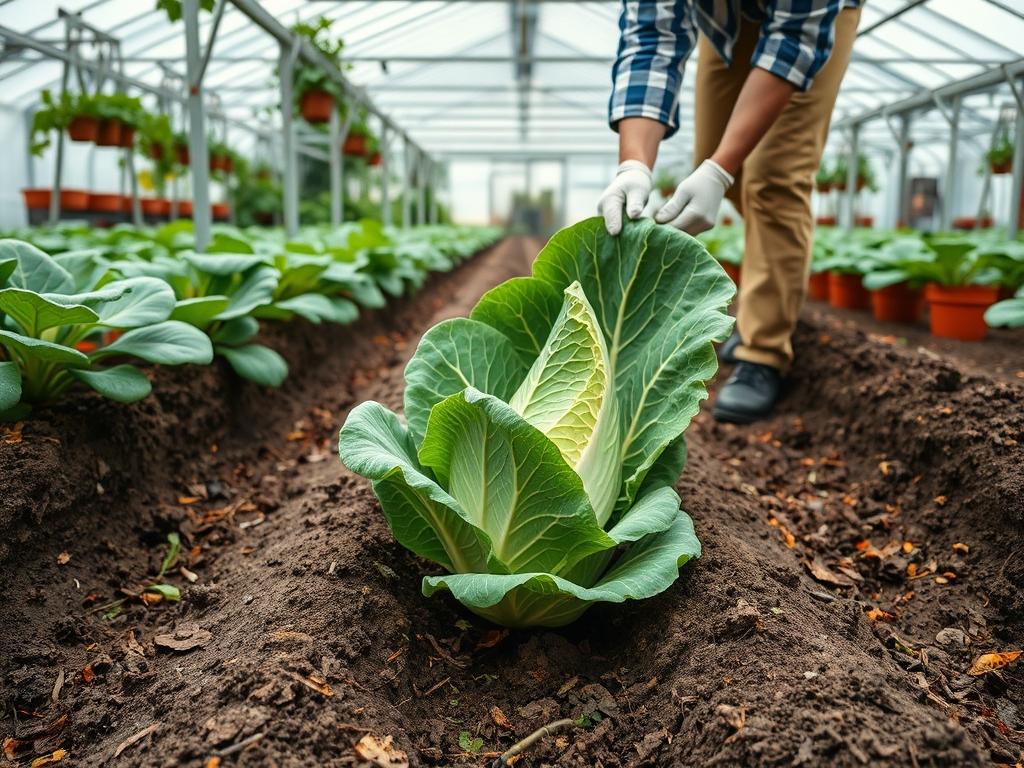
Integrating edible crops into a high end residential landscape requires a sophisticated balance between aesthetic appeal and horticultural performance. When planning a garden specifically designed for picking fresh napa cabbage for kimchi projects, one must view the vegetable plot not merely as a utility zone, but as a primary focal point in the outdoor environment. The architectural challenge lies in managing the seasonal transition of brassicas within a permanent landscape framework. Because napa cabbage requires a specific cooler climate and precise moisture levels, the site selection must account for microclimates within the property. A well designed potager garden or formal raised bed system can elevate the act of harvesting cabbage from a simple chore to a curated outdoor experience. Achieving the perfect yield for intensive fermentation projects requires a deep understanding of soil science, drainage, and spatial organization.
Success in this specialized landscaping endeavor begins with analyzing the solar exposure of the designated planting zones. For late summer and autumn harvests, which provide the ideal texture for kimchi, the landscape should offer protection from the intense midday sun while ensuring at least six hours of direct morning light. Proper site grading determines the longevity of the installation. If the soil remains saturated due to poor elevation planning, the cabbage heads will face anaerobic conditions, leading to root rot before they reach the density required for high quality ferments. Therefore, the outdoor consultant must prioritize a foundation that supports heavy feeders while maintaining crisp visual lines that contribute to the home’s overall curb appeal and outdoor functionality.
Landscape Design Principles
A successful productive landscape relies on the application of formal design principles to the biological needs of the crop. Symmetry plays a vital role in high end garden planning. By arranging cabbage rows in a geometric pattern within Cedar Raised Beds or Steel Edging, the gardener creates a sense of order that persists even after the harvest. Symmetry allows for easier installation of overhead irrigation and simplifies the monitoring of plant health. Focal points, such as a Cast Stone Urn or a Teak Obelisk, provide visual interest during the winter months when the beds are dormant. These elements draw the eye away from the soil and maintain the landscape’s structure.
Elevation layers are another critical consideration for the senior architect. Tiered planting allows for better airflow and easier access for picking fresh napa cabbage without causing soil compaction. By utilizing Retaining Walls made of Natural Fieldstone, the landscape creates a series of micro-terraces that manage heat more effectively than flat ground. Irrigation planning must be integrated into the initial blueprint. Subsurface Drip Irrigation systems with Smart Controllers are preferred, as they deliver water directly to the root zone without wetting the foliage, which significantly reduces the risk of fungal pathogens that can ruin a kimchi crop.
Plant and Material Selection
The following selection focuses on the primary crop and the supporting environmental materials necessary for a high performance landscape.
| Plant or Material | Sun Exposure | Soil Needs | Water Demand | Growth Speed | Maintenance Level |
| :— | :— | :— | :— | :— | :— |
| Napa Cabbage | Full to Partial | Rich, Loamy | Moderate to High | Fast (60-80 Days) | High |
| Bok Choy | Partial Sun | Nitrogen Rich | Moderate | Very Fast | Medium |
| Red Clover (Cover) | Full Sun | Varied | Low | Fast | Low |
| Shredded Bark Mulch| N/A | Any | N/A | N/A | Seasonal |
| Pumice (Aeration) | N/A | Clay or Loam | N/A | N/A | Once per install |
Implementation Strategy
Planning a backyard layout for specialized cabbage production requires a step by step approach to land preparation. First, the landscape architect must oversee the grading of the site. A 2 percent slope is generally recommended to ensure that excess rainwater moves away from the root balls and toward a designated drainage area or French Drain. Once the grade is established, the installer should define the perimeter using long lasting materials such as Powder Coated Aluminum Edging. This prevents the encroachment of invasive turf grasses into the nutrient rich cabbage beds.
After the structure is in place, soil modification begins. Napa cabbage thrives in a pH range of 6.5 to 7.0. The addition of Organic Compost and Peat Moss should be tilled to a depth of 12 inches to allow for maximum root expansion. When the plants are ready for the ground, spacing is the most vital metric. For picking fresh napa cabbage that is dense and heavy, plants must be spaced at least 18 inches apart. Proper spacing ensures that each head receives adequate airflow and light, preventing the inner leaves from becoming overly loose. A 3-inch layer of Pine Straw or Aged Bark Mulch should be applied across the surface to regulate soil temperature and suppress weeds.
Common Landscaping Failures
The most frequent failure in productive landscaping is improper drainage management. When water pools around the base of the cabbage, it creates an environment for clubroot and other soil borne diseases. This often occurs when designers ignore the permeability of the subsoil or fail to install a Gravel Underlayment beneath raised beds. Root overcrowding is another common error. In an attempt to achieve a lush look immediately, homeowners often plant too densely. This results in small, underdeveloped heads that lack the sugar content and crunch necessary for traditional kimchi.
Soil compaction is a silent killer in the garden design. Using heavy machinery during the installation phase can crush the soil structure, preventing the cabbage from accessing oxygen. Irrigation inefficiencies also plague many projects. Overhead sprinklers often lead to water evaporation before it reaches the roots and can cause the delicate leaves of the napa cabbage to scorch under the sun. Finally, failing to plan for pest exclusion can ruin an entire season. Integrating Fine Mesh Scrim or Low Tunnels into the landscape design allows for protection without compromising the aesthetic value of the garden.
Seasonal Maintenance
Maintaining a high performance landscape requires a rolling schedule of tasks. In the spring, the focus should be on soil testing and the application of Slow Release Fertilizer high in Nitrogen. This prepares the ground for the intensive growth phase of the early cabbage variety. As temperatures rise in the summer, the irrigation system must be recalibrated to compensate for higher evaporation rates. Mulch should be replenished to maintain a consistent 2-inch depth, which keeps the roots cool during the hottest months.
In the autumn, as the harvest approaches, the architect should inspect the heads for firmness. This is the optimal time for picking fresh napa cabbage for kimchi. A heavy, dense head that feels solid when squeezed indicates the leaves are packed tightly and contain the right moisture balance. Once the harvest is complete, winter landscape management involves planting a cover crop or applying a thick layer of Leaf Mold to protect the soil from erosion. Retaining walls and hardscaped walkways should be inspected for frost heave or drainage blocks to ensure the system is ready for the following year.
Professional Landscaping FAQ
What is the best soil for napa cabbage?
Napa cabbage requires a deep, loamy soil rich in Organic Matter. The soil should be well draining but capable of holding sufficient moisture. Aim for a pH between 6.5 and 7.0 to ensure optimal nutrient uptake and plant health.
How do I tell if the cabbage is ready for kimchi?
A harvest ready cabbage should feel heavy for its size and firm when pressed. If the head feels hollow or soft, it may need more time to mature. Picking fresh napa cabbage at peak density ensures a better fermentation process.
Should I use raised beds or flat rows?
Raised Beds are generally superior for cabbage production because they offer better control over soil quality and drainage. They also prevent soil compaction by defining clear walking paths, which protects the delicate root systems from being crushed by foot traffic.
How much water does napa cabbage need?
The crop requires approximately 1 inch of water per week through a combination of rain and irrigation. During periods of extreme heat, this may need to be increased to maintain soil moisture and prevent the plants from bolting or turning bitter.
Which mulch is best for a cabbage garden?
Straw or Aged Wood Chips are ideal choices. These materials help regulate soil temperature and keep the cabbage leaves from touching the damp earth, which reduces the risk of rot and keeps the heads cleaner for the kimchi preparation process.