
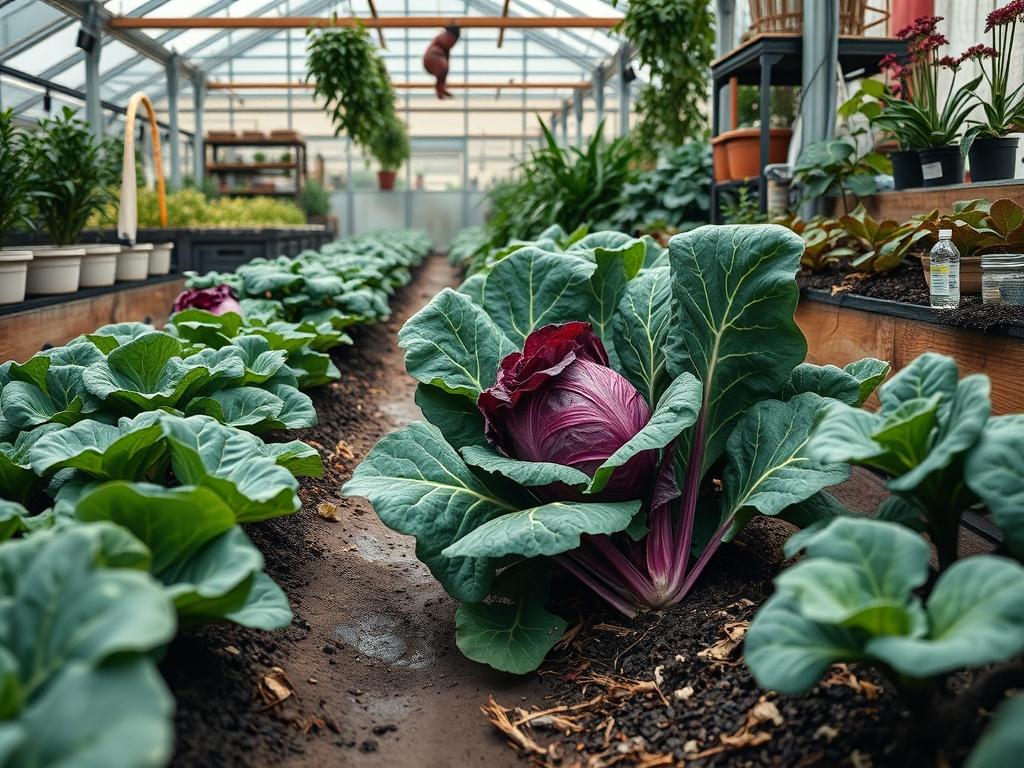
Integrating bitter greens into a high-end landscape requires a shift in perspective from traditional vegetable gardening to structural horticulture. Success with Harvesting Garden Radicchio depends heavily on timing, soil chemistry, and spatial arrangement within the broader outdoor environment. Unlike many annual crops, radicchio offers a unique architectural presence characterized by tightly bound heads and vibrant, wine colored foliage that can serve as a secondary focal point in a cool season garden. For an outdoor consultant, the challenge is ensuring the plant thrives through specific temperature drops while maintaining the visual integrity of the landscape beds. This plant acts as a bridge between the lush greens of late summer and the stark, dormant landscape of early winter. When planned correctly, these greens provide both a functional harvest and a sophisticated color palette that complements hardscaping materials like natural stone or dark wood decking.
The process of Harvesting Garden Radicchio begins long before the first frost arrives. It starts with a comprehensive site analysis to ensure proper drainage and sunlight exposure. In a professional landscape, radicchio should not be relegated to a hidden corner. Its deep maroons and bright whites provide a stunning contrast against evergreen shrubs or silver foliage plants like dusty miller. To achieve the best flavor profiles, the harvester must understand the relationship between cold stress and sugar conversion within the plant tissue. As the mercury drops, the bitter compounds mellow, resulting in a crisp, refined leaf that is highly prized in culinary circles. Proper planning ensures that the aesthetic value of the garden is preserved even as the harvest progresses, leaving behind a clean, organized bed ready for winter dormancy.
Landscape Design Principles
Symmetry and visual balance are paramount when incorporating chicories into a formal garden layout. Radicchio plants, particularly the mounding varieties like Palla Rossa, should be placed in geometric patterns to reinforce the structural lines of your walkways. If your landscape features formal edging, such as Steel Landscape Edging or Belgian Block, planting in staggered rows creates a sense of fullness and intentionality. Elevation layers also play a critical role. Placing radicchio in the mid foreground of a tiered garden allow its color to popped against taller, darker backdrops of Boxwood or Yew.
Irrigation planning must be integrated into the design phase to avoid the aesthetic clutter of visible hoses. A buried Drip Irrigation System is the gold standard for radicchio, as it delivers moisture directly to the root zone without wetting the delicate leaves, which can lead to rot in the center of the head. Visual balance is further enhanced by considering the color wheel; the deep reds of the radicchio leaves provide a natural complement to the oranges and yellows of late autumn perennials. By treating the vegetable as an ornamental element, you ensure that the outdoor living space remains functional and beautiful throughout the transition of the seasons.
Plant and Material Selection
Selecting the right cultivars and supporting materials is essential for a professional grade result. The following table outlines the requirements for both the primary crop and its common landscape companions.
| Plant Type | Sun Exposure | Soil Needs | Water Demand | Growth Speed | Maintenance Level |
| :— | :— | :— | :— | :— | :— |
| Radicchio (Rosso di Verona) | Full Sun | Loamy, pH 6.0-7.0 | Moderate/High | Slow | Medium |
| Ornamental Kale | Full to Partial | Well Drained | Moderate | Medium | Low |
| Winter Borage | Partial Sun | Rich, Organic | Moderate | Fast | Low |
| Cedar Mulch | N/A | Weed Barrier | N/A | N/A | Seasonal |
| River Rock (Small) | N/A | Drainage Layer | N/A | N/A | Minimal |
Implementation Strategy
Implementing a design that includes Harvesting Garden Radicchio requires careful attention to the “soil to surface” transition. Begin by grading the site to ensure a 2 percent slope away from any hardscaping or foundations. This prevents water from pooling around the base of the plants, which is a primary cause of crown rot in chicories. Once the level is set, install Heavy Duty Landscape Fabric in non planting areas to suppress weeds, and use a high quality Organic Compost to enrich the planting pockets.
When placing the plants, aim for a spacing of 10 to 12 inches on center. This allows for adequate air circulation while ensuring the heads grow large enough for a substantial harvest. Use a Manual Hand Trowel to set the transplants deep enough that the root ball is entirely covered, then apply a layer of Double Shredded Bark Mulch at a depth of 2 to 3 inches. This mulch layer serves three purposes: it regulates soil temperature, retains moisture, and provides a clean backdrop that makes the red foliage stand out. For the harvesting phase, use a Stainless Steel Garden Knife to cut the head at the soil line, or pull the entire plant if you intend to store it with the root system intact for longer shelf life.
Common Landscaping Failures
The most frequent mistake in Harvesting Garden Radicchio is a failure to manage soil compaction. Radicchio roots are highly sensitive to dense, clay heavy soils that lack oxygen. If the soil is too compact, the plants will remain stunted and the heads will never tighten, leading to a sprawling, unsightly appearance that ruins the curb appeal of the garden. Another common issue is improper spacing. Overcrowding creates a microclimate of high humidity at the base of the plants, which invites fungal pathogens and pests like slugs.
Irrigation inefficiencies also contribute to landscape failure. Overwatering can lead to “tipburn,” while underwatering during the heat of late summer can cause the plant to bolt prematurely. A bolting radicchio grows a tall, woody stalk that is visually disruptive to a tidy garden layout and renders the leaves inedible. Finally, many landscapers neglect the drainage requirements of the site. Without a proper drainage plan, autumn rains can turn a beautiful garden bed into a swamp, killing the radicchio and damaging the structural integrity of nearby stone walls or timber borders.
Seasonal Maintenance
Seasonal management of radicchio follows a cyclical pattern that aligns with the broader needs of the landscape. In the spring, focus on soil preparation and the installation of hardscape elements. Even if you are not planting radicchio until late summer, establishing the infrastructure like Automated Irrigation Controllers and Retaining Walls ensures the site is ready when the planting window opens. During the summer, maintain a strict weeding schedule and monitor the soil moisture levels daily.
Autumn is the primary season for Harvesting Garden Radicchio. As temperatures drop below 40 degrees Fahrenheit, keep a close watch on the plants. If a hard freeze is predicted, consider using a Frost Blanket or Floating Row Cover to protect the heads from ice damage, though a light frost actually improves the flavor. In winter, once the harvest is complete, clean the beds of all debris to prevent dormant pests from overwintering. Apply a fresh layer of mulch to protect the soil structure and maintain the aesthetic value of the property until the next planting cycle begins.
Professional Landscaping FAQ
How does harvesting timing affect the landscape aesthetic?
Harvesting should be done systematically to avoid leaving “holes” in the garden design. Remove every other plant to maintain a balanced look, or replace harvested heads with decorative winter elements like pine boughs to preserve the visual flow.
What is the best tool for harvesting to ensure plant health?
Use a sharpened serrated knife to cut the radicchio at the base. A clean cut prevents jagged edges that can harbor disease, especially if you are hoping for a secondary growth of smaller “chits” later in the season.
Can radicchio be grown in elevated planter boxes?
Yes, elevated planters provide excellent drainage and prevent soil compaction. They also allow for easier harvest access and can be used as structural focal points on patios or decks to define separate outdoor living zones.
What mulch is best for a radicchio focused garden bed?
Pine straw or fine cedar mulch works best. These materials facilitate air flow and do not mat down as easily as large bark nuggets, ensuring that the base of the radicchio stays dry and healthy throughout the wet autumn months.
How do I store radicchio without losing its crispness?
After harvesting, wrap the heads in perforated plastic wrap and store them at 34 degrees Fahrenheit. For professional storage, keep the root intact and “replant” the roots in moist sand in a cool, dark cellar to extend freshness for months.