
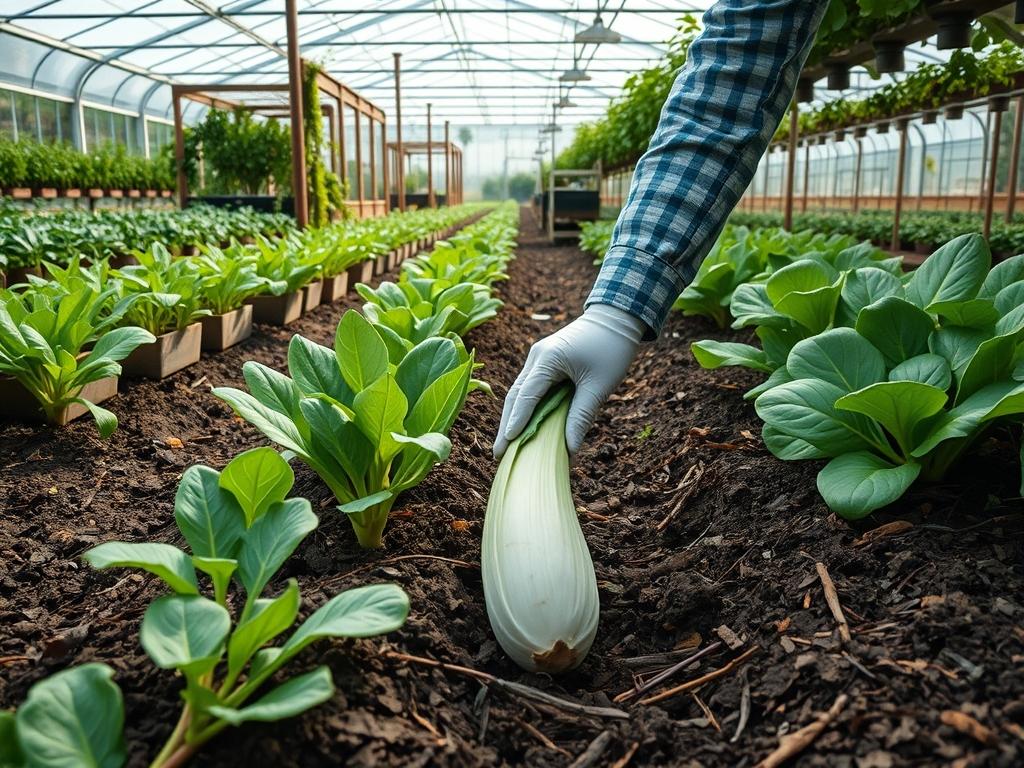
Integrating productive agriculture into a high-end residential landscape requires more than just a dedicated corner for vegetables; it demands a sophisticated understanding of spatial hierarchy, seasonal aesthetics, and the structural requirements of cold-weather crops. The modern landscape architect views the garden as a functional extension of the home, where the transition from a manicured lawn to an edible potager is seamless. When the objective is Picking Fresh Endive during the colder months, the design must prioritize accessibility, microclimate management, and architectural integrity. Winter harvesting presents a unique set of challenges, particularly in temperate or northern climates where soil stability and plant protection are paramount. A well-designed winter garden serves as a visual anchor when the rest of the landscape is dormant, utilizing evergreen backdrops and rigid hardscaping to maintain curb appeal. By treating the act of harvesting as a planned movement within the outdoor environment, we can enhance both the utility and the beauty of the property.
Designing for winter productivity involves calculating solar angles to ensure that low-hanging winter sun reaches the beds. Drainage becomes the most critical engineering factor, as saturated soil in freezing temperatures will lead to frost heave and root death. Incorporating Subsurface Drainage Tiles and ensuring a 2 percent slope away from planting areas prevents the standing water that often plagues winter vegetable patches. Furthermore, the selection of materials for walkways, such as Flagstone or Permeable Pavers, ensures that the process of Picking Fresh Endive does not result in compacted soil or muddy paths. The landscape should feel like a coordinated system where the structural elements, like Retaining Walls and Raised Beds, provide the thermal mass necessary to keep soil temperatures stable.
LANDSCAPE DESIGN PRINCIPLES
The foundation of a high-functioning winter garden lies in the application of formal design principles such as symmetry, focal points, and elevation layers. In a professional layout, symmetry is often used to create a sense of order amid the organic chaos of leafy greens. Aligning Raised Beds along a central axis leads the eye toward a focal point, such as a Custom Stone Fountain or a Wrought Iron Obelisk, which remains attractive even when the beds are covered with Frost Cloth.
Elevation layers are equally important for both aesthetics and ergonomics. By utilizing Cedar Raised Beds at heights of 18 to 24 inches, we create a tiered visual effect while making the task of Picking Fresh Endive much easier on the resident. These elevated structures allow for precise control over the Soil Mix, which should be a curated blend of Compost, Perlite, and Loam. Incorporating irrigation planning at the design stage is essential. Drip Irrigation Lines should be buried below the frost line, with risers that can be easily drained or insulated to prevent bursting. Finally, visual balance is achieved by offsetting the low, spreading habit of endives with vertical elements like Evergreen Topiaries or Stone Pillars, ensuring the garden looks intentional throughout the four seasons.
PLANT AND MATERIAL SELECTION
| Plant Type | Sun Exposure | Soil Needs | Water Demand | Growth Speed | Maintenance Level |
| :— | :— | :— | :— | :— | :— |
| Curly Endive (Frisee) | Full Sun | Well-drained, Rich | Moderate | 60-70 Days | Medium |
| Belgian Endive (Witloof) | Partial Shade | Sandy Loam | Low | 100+ Days | High |
| Escarole (Broad Leaf) | Full Sun | High Organic Matter | Moderate | 75-85 Days | Low |
| Radicchio | Full Sun | Consistent Moisture | Moderate | 80-90 Days | Medium |
| Winter Savory | Full Sun | Gritty, Alkaline | Low | Perennial | Low |
| Boxwood (Structure) | Partial to Full | Neutral pH | Low | Slow | Medium |
IMPLEMENTATION STRATEGY
The transition from a blueprint to a physical garden requires a meticulous implementation strategy that starts with site grading. Proper grading ensures that runoff is directed toward French Drains or established swales, protecting the delicate root systems of winter crops. Once the grade is established, the placement of hardscaping elements must precede any planting. Steel Edging or Stone Curbs should be installed to define the boundaries between turfed areas and cultivation zones, preventing the encroachment of invasive grasses.
For specialized winter crops, the use of Cold Frames or High Tunnels should be integrated into the architectural plan. These structures are not merely utilitarian; when constructed from Powder-Coated Aluminum and Tempered Glass, they become beautiful glass jewelry boxes within the landscape. Before planting, a 3-inch layer of Organic Mulch, such as Arborist Chips or Straw, should be applied to the soil surface. This layer regulates temperature and prevents soil splashing onto the leaves, which is vital when Picking Fresh Endive for a clean winter salad. The irrigation system must be calibrated for the lower evaporation rates of winter, utilizing a Smart Controller with a rain and freeze sensor to automate water delivery based on real-time atmospheric conditions.
COMMON LANDSCAPING FAILURES
One of the most frequent errors in garden planning is the failure to account for soil compaction during the construction phase. Heavy machinery can crush the soil structure, leading to poor aeration and drainage issues that are magnified in the winter. Professional installers should use Plywood Sheets to distribute weight and should always finish with a Deep Tine Aeration before installing growing media. Another common failure is improper spacing. While it is tempting to plant densely for an immediate “full” look, root overcrowding leads to stunted growth and increased susceptibility to fungal diseases like Downy Mildew.
Irrigation inefficiency is also a major pitfall. Many homeowners believe that because it is cold, water is not necessary. However, winter winds can be incredibly dehydrating. Conversely, over-watering in cold temperatures can lead to Root Rot. The solution is a dual-approach: ensuring high-porosity soil while utilizing a Moisture Meter to verify the needs of the plant before adding water. Finally, neglecting the “blanching” process for endives results in a bitter harvest. In a landscape context, this can be managed by using Terracotta Blanching Pots, which serve as decorative elements while they perform the vital task of shielding the plants from light.
SEASONAL MAINTENANCE
Spring maintenance focuses on soil restoration and the removal of winter debris. Testing the Soil pH and amending with Slow-Release Fertilizers ensures the ground is ready for the upcoming growing cycles. As the weather warms, the focus shifts to pest management. Utilizing Neem Oil or Insecticidal Soap can protect young plants from early aphid infestations. Summer is the time for structural upkeep, such as pruning Hedgerows and checking the integrity of Automated Irrigation Systems.
In Autumn, preparations for the winter harvest begin in earnest. This involves the installation of Row Covers and the commencement of the blanching process for endives. As temperatures drop, the landscape architect ensures that all water features are winterized and that the Hardscaping is clear of slippery moss or algae. Winter maintenance is primarily about harvesting and monitoring. Picking Fresh Endive should be done in the morning after the frost has evaporated but before the sun is at its peak. This ensures the leaves are crisp and the flavor is mild. Regularly checking Cold Frames for adequate ventilation on sunny winter days is essential to prevent heat stress.
PROFESSIONAL LANDSCAPING FAQ
What is the best soil for winter endive?
A well-drained Sandy Loam enriched with Organic Compost is ideal. Ensure the pH Level stays between 6.0 and 7.0. This provides the necessary nutrients while preventing water stagnation, which is critical for healthy winter root development.
How do you protect endive from extreme frost?
Utilize Cold Frames, Cloches, or Heavy-Duty Frost Blankets. These tools trap ground heat and create a buffered microclimate. For high-end landscapes, Stone Raised Beds offer additional thermal mass to protect the plants during overnight temperature drops.
Can endive be grown in containers?
Yes, they thrive in Large Terrazzo Pots or Galvanized Steel Planters. Ensure containers have ample Drainage Holes and are filled with a High-Quality Potting Mix. Containers allow you to move the plants to maximize sun exposure during winter.
What is blanching and why is it necessary?
Blanching involves covering the plant to exclude light for 10 to 14 days before harvest. This process reduces bitterness and turns the inner leaves a pale yellow. Use Decorative Ceramic Pots to maintain the landscape aesthetic during this phase.
How often should I water the garden in winter?
Watering frequency decreases significantly, but soil should remain moist. Check the moisture level 2 inches below the surface. Use a Manual Probe or Smart Sensor to avoid over-watering, which can lead to ice formation around the root zone.