
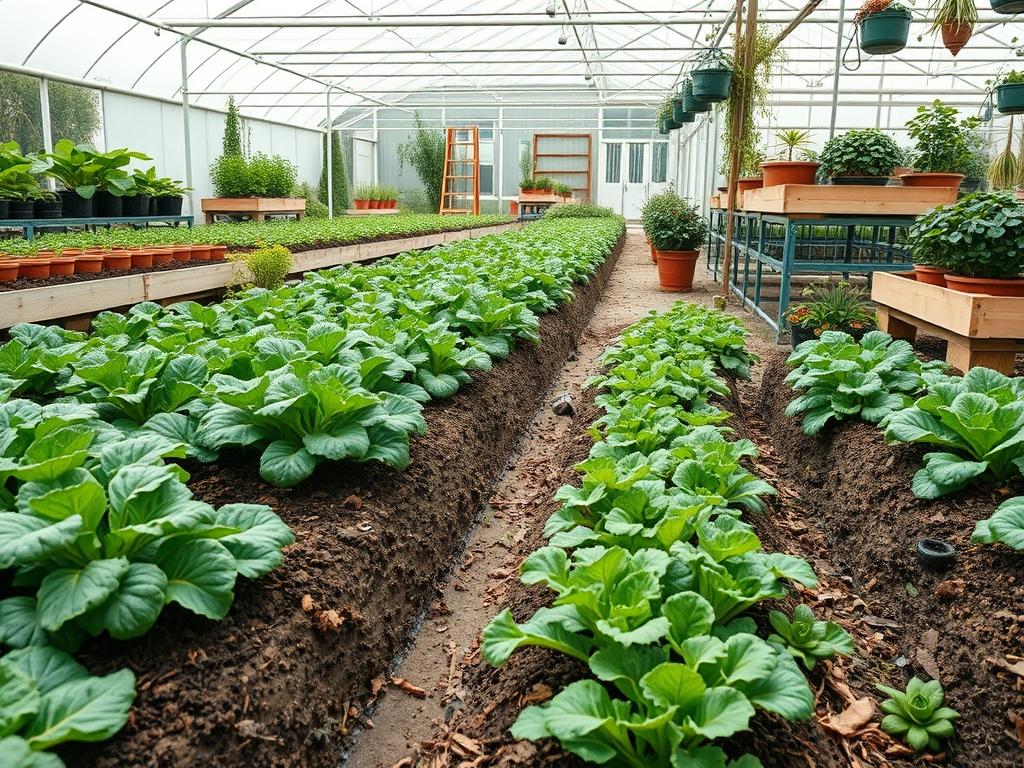
Integrating edible greens into a sophisticated landscape design requires a delicate balance between aesthetic form and culinary function. As a landscape architect, I often encounter clients who view their vegetable production as something to be hidden behind a fence or relegated to a utilitarian patch of the backyard. However, the rise of the functional potager has shifted the paradigm toward integrating crops like Escarole, or Cichorium endivia, directly into primary visual corridors. This broad-leafed endive offers a stunning textural contrast to traditional ornamental grasses and perennials, providing a low-growing rosette of crinkled, vibrant green foliage that remains resilient as temperatures drop. Harvesting garden escarole for hearty soups is not merely a kitchen task; it is the final stage of a seasonal management cycle that maintains the structural integrity of your outdoor environment.
When planning a garden that features escarole as a centerpiece for autumnal harvests, climate considerations are paramount. This plant thrives in the cool windows of spring and late fall, making it an ideal candidate for filling the visual gaps left by fading summer annuals. From a curb appeal perspective, the dense, ruffled leaves of Escarole provide a lush groundcover effect that prevents the landscape from appearing barren during the shoulder seasons. By positioning these plants strategically within a well-drained, nutrient-dense site, we can achieve an outdoor space that serves as both a high-end visual retreat and a productive source of nutrient-dense greens for the kitchen.
Landscape Design Principles
Successful foodscaping relies on the same fundamental principles used in formal estate design: symmetry, focal points, and elevation layering. When incorporating Escarole into a professional landscape, it should be treated as a foreground element. Because it typically reaches a height of only 8 to 12 inches, it serves as an excellent border plant for walkways or the front tier of a multi-dimensional garden bed. Symmetry can be achieved by planting escarole in geometric patterns, such as circular clusters or linear borders, which provides a sense of intentionality that distinguishes a professional landscape from a wild garden.
Focal points within these beds might include a Stone Birdbath or a tall Iron Obelisk draped in climbing vines, with the escarole rosettes radiating outward from the base. Elevation layers are critical here; we typically place the low-lying Escarole in front of mid-height perennials like Salvia or Echinacea, which are then backed by structural shrubs like Boxwood. This creates a tiered effect that keeps the eye moving. Furthermore, professional irrigation planning is essential. A Drip Irrigation System ensures that moisture reaches the deep taproots of the greens without saturating the leaves, which helps prevent rot and maintains the crispness of the foliage until the moment of harvest.
Plant and Material Selection
Selecting the right cultivars and supporting materials is the foundation of a low-maintenance, high-yield landscape. The following table outlines the requirements for Escarole and its ideal companion plants in a professional setting.
| Plant Type | Sun Exposure | Soil Needs | Water Demand | Growth Speed | Maintenance Level |
| :— | :— | :— | :— | :— | :— |
| Escarole (Broad-leaf) | Full Sun to Part Shade | Loamy, Well-drained | Moderate | Medium | Low |
| Swiss Chard | Full Sun | Rich, Organic | Moderate | Fast | Medium |
| Curly Kale | Full Sun | Nitrogen-rich | High | Medium | Low |
| Rosemary (Upright) | Full Sun | Sandy, Dry | Low | Slow | Low |
| Garlic (Hardneck) | Full Sun | Loose, Deep | Moderate | Slow | Medium |
Implementation Strategy
The implementation of a professional-grade edible landscape begins with site grading and drainage analysis. Escarole requires a soil pH between 6.0 and 7.0, and it cannot tolerate standing water, which leads to crown rot. Begin by clearing the area of all debris and weeds. If the site has heavy clay, incorporate a 2-inch layer of Organic Compost and Coarse Sand to improve porosity.
Next, establish your hardscaping and edging. Use Natural Flagstone or Treated Cedar Edging to define the boundaries of the planting beds. This creates a clean line between the lawn and the garden, which is vital for curb appeal. Once the beds are prepped, install your Irrigation Tubing, ensuring emitters are spaced roughly 12 inches apart.
When planting the Escarole, space the seedlings at 10-inch intervals. This allows for adequate airflow as the heads expand. After planting, apply a 1-inch layer of Pine Bark Mulch or Clean Straw. This mulch serves three purposes: it suppresses weeds, retains consistent soil moisture, and keeps the leaves clean from soil splash during rain. Clean leaves are particularly important for escarole intended for hearty soups, as the ruffled textures can easily trap grit if the soil is left exposed.
Common Landscaping Failures
One of the most frequent mistakes in edible landscaping is improper drainage. Many homeowners plant Escarole in low-lying areas of the yard where water naturally collects. Without proper Subsurface Drainage or raised mounds, the root systems suffocate. Another common failure is root overcrowding. While it is tempting to plant densely for an immediate “full” look, overcrowding leads to stunted growth and increased susceptibility to pests like aphids.
Soil compaction is another silent killer of garden productivity. Walking directly on the planting beds compresses the air pockets in the soil, preventing roots from expanding. Using Stepping Stones or designated Garden Paths ensures that foot traffic remains off the growing medium. Lastly, irrigation inefficiencies often plague these designs. Over-head watering during the heat of the day can cause leaf scorch and fungal issues. A professional landscape should always utilize a Timed Drip System or a Soaker Hose buried beneath the mulch to deliver hydration directly to the root zone at dawn.
Seasonal Maintenance
Maintenance requirements shift significantly with the seasons. In the spring, the focus is on soil preparation and the first round of planting. This is the time to test the soil and add any necessary Amended Fertilizers. As we move into summer, the primary task is moisture management. Ensure that the Escarole receives at least 1 inch of water per week, especially during heat waves. If the plants begin to bolt, or send up a flower stalk, the leaves will become bitter. Professional landscapers often use Shade Cloth to extend the growing season during particularly hot spells.
Autumn is the peak season for harvesting garden escarole for hearty soups. To harvest, use a Sharpened Garden Knife to cut the head off at the soil line, or pull the entire plant if you wish to clear the space for winter. For the best flavor, harvest after the first light frost, as the cold temperatures convert starches into sugars, mellowing the bitterness of the greens. In winter, the focus shifts to protection. Clear away any spent plant material to prevent overwintering pests and apply a fresh layer of Bark Mulch to protect the soil structure. If you are in a colder zone, covering the beds with Burlap or a Cold Frame can allow for a late-season harvest well into December.
Professional Landscaping FAQ
How do I know when Escarole is ready to harvest?
The plant is ready when the head feels firm and the center leaves have turned a pale, creamy green. This usually occurs 60 to 80 days after planting when the diameter reaches about 12 inches.
Can I grow Escarole in containers for small patios?
Absolutely. Ensure the container is at least 12 inches deep and has excellent drainage. Use a high-quality Potting Mix and monitor moisture levels closely, as containers dry out much faster than traditional garden beds.
What is the best way to blanch Escarole for a milder taste?
Two weeks before harvest, gather the outer leaves and tie them together with Twine or place a large Terra Cotta Pot over the plant. This excludes light from the heart, making the inner leaves tender and less bitter.
How do I prevent slugs from damaging the leaves?
Slugs love the dense cover of Escarole. Use Copper Tape around the perimeter of the bed or apply Iron Phosphate Pellets. Maintaining a clear zone of Coarse Gravel around the bed can also deter these pests effectively.
What should I plant after the Escarole harvest is complete?
Once you have harvested your greens for soup, the site is often rich in organic matter. This is an excellent time to plant Garlic Bulbs or Cover Crops like Winter Rye to protect and nourish the soil for spring.