
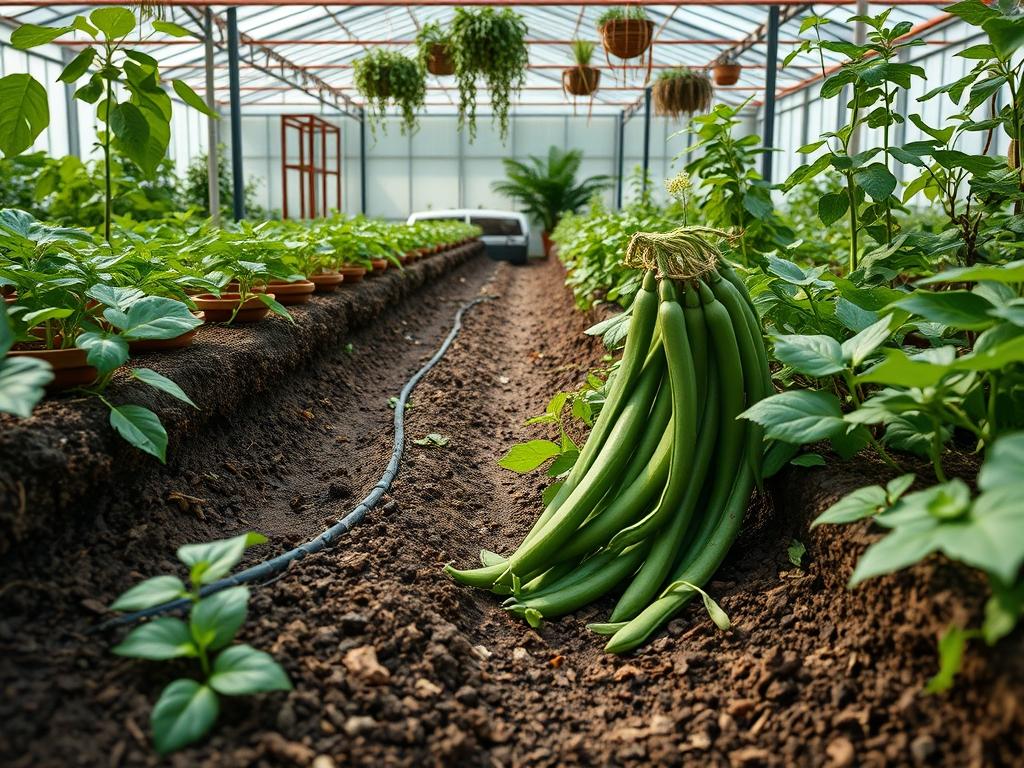
Integrating productive agricultural elements into a sophisticated residential landscape requires a delicate balance between utilitarian yield and aesthetic harmony. The inclusion of legumes like navy beans often presents a unique challenge for the landscape architect, as these plants must transition from vibrant green focal points to dried, functional assets without detracting from the property’s curb appeal. In temperate climates, the timing of the harvest is critical. It must coincide with the natural shift in the landscape’s color palette, moving from the lush saturation of mid-summer into the golden, structural dormancy of early autumn. Achieving professional results when Harvesting Garden Navy Beans involves more than just picking pods; it requires a comprehensive understanding of site-specific microclimates, drainage patterns, and the spatial logic of the garden layout. A well-designed edible landscape ensures that as the crop matures and begins its desiccation phase, it serves as a textural element rather than a visual necrotic patch. Functional goals must include optimizing air circulation to prevent fungal pathogens and ensuring that the drying process is facilitated by the garden’s natural orientation to the sun. When planned correctly, these areas contribute to a sustainable ecosystem that bolsters soil health through nitrogen fixation, while simultaneously providing a sense of sequence and purpose to the outdoor environment.
Landscape Design Principles
Successful integration of navy beans begins with the application of formal design principles such as symmetry and focal points. Because navy beans can be grown in either bush or pole varieties, their placement must be intentional. Pole varieties require vertical structures, which provide an opportunity to introduce architectural elements like custom cedar obelisks or powder-coated steel trellises. These structures act as year-round focal points, maintaining the garden’s skeleton even after the harvest is complete. Symmetry is achieved by mirroring these structures across a central axis, perhaps flanking a bluestone walkway or a formal rattan seating area.
Elevation layers are equally important. Utilizing raised garden beds constructed from non-toxic hardwoods or natural stone allows for better control over soil quality and drainage. By elevating the beans, the architect creates a tiered effect that adds depth to the landscape. This elevation also assists in the drying process, as pods are kept further from the moisture-retaining ground level and are more exposed to prevailing breezes. Irrigation planning must be subterranean or ground-level; drip irrigation tubing or soaker hoses are essential to keep moisture away from the foliage and developing pods. This targeted water delivery ensures that the plant remains healthy during its growth phase while allowing the upper canopy to dry naturally as the season concludes. Visual balance is maintained by surrounding bean plots with evergreen borders or perennial shrubs that provide a constant green frame, effectively masking the yellowing foliage associated with the late-stage drying of the crop.
Plant and Material Selection
| Plant Type | Sun Exposure | Soil Needs | Water Demand | Growth Speed | Maintenance Level |
| :— | :— | :— | :— | :— | :— |
| Navy Beans (Phaseolus vulgaris) | Full Sun | Sandy Loam, pH 6.0-7.0 | Moderate | Fast | Medium |
| French Marigolds | Full Sun | Well-drained | Low | Moderate | Low |
| Culinary Sage | Full Sun | Gritty, Dry | Very Low | Slow | Low |
| Sweet Alyssum | Full Sun/Part Shade | Moist, Rich | Moderate | Fast | Low |
| Rough-Sawn Cedar (Material) | N/A | N/A | N/A | N/A | Durable |
| Shredded Pine Bark (Mulch) | N/A | N/A | N/A | N/A | Annual |
Implementation Strategy
The implementation of a productive bean terrace begins with precise grading and site preparation. A professional landscape requires a laser level to ensure that all beds are perfectly horizontal, preventing water pooling which is the primary enemy when Harvesting Garden Navy Beans. Once the grade is established, the designer must specify a high-porosity soil mix, consisting of 60 percent topsoil, 30 percent organic compost, and 10 percent coarse sand. This ensures that the root zones remain oxygenated and dry efficiently between watering cycles.
Edging should be crisp and permanent. Use 14-gauge steel edging or granite cobbles to define the transition between the bean beds and the surrounding turf or gravel paths. When planting, space the seeds at least 3 inches apart within rows, with rows spaced 18 to 24 inches apart. This spacing is not merely for growth but is a strategic choice to facilitate maximum airflow. As the crop reaches maturity, the landscape architect should oversee the reduction of water. About two weeks before the anticipated harvest, irrigation should be throttled back to encourage the plant to divert its energy into drying the seeds within the pods.
Mulch depth is a critical variable. Apply 2 to 3 inches of clean wheat straw or fine arborist wood chips once the seedlings are established. This suppresses weeds while regulating soil temperature. However, as harvest approaches, the mulch should be checked for excessive moisture retention. If the autumn is particularly damp, thinning the mulch can help the soil surface dry out, reducing the humidity around the low-hanging pods and ensuring the crop does not rot before it can be collected.
Common Landscaping Failures
The most frequent failure in productive landscaping is improper drainage. If the site sits in a low-lying area with heavy clay, the beans will suffer from root rot, and the pods will struggle to dry, leading to mold. Poor site orientation is another common mistake; beans planted in the shadow of the house or large canopy trees will not receive the 6 to 8 hours of direct sun required for proper desiccation.
Soil compaction is often overlooked. If the garden design does not include designated paths, foot traffic will compress the soil around the bean roots, hindering their ability to fix nitrogen and absorb nutrients. This leads to stunted growth and a poor harvest. Furthermore, irrigation inefficiencies, such as using overhead sprinklers, can be catastrophic during the drying phase. Water on the pods leads to “shattering” or premature sprouting, which ruins the crop. Finally, root overcrowding occurs when designers prioritize “instant impact” by planting too densely. While the garden looks full in June, by August the lack of air movement creates a stagnant microclimate that invites mildew and prevents the beans from reaching the brittle state necessary for long-term storage.
Seasonal Maintenance
Landscape management for navy beans is a year-round commitment. In the spring, focus is on soil preparation and testing. Applying elemental sulfur or lime may be necessary to adjust the pH based on laboratory results. Ensure all support structures are inspected for structural integrity and treated with food-safe wood preservative if needed.
Summer maintenance involves vigorous pest monitoring and precision irrigation. Use neem oil or insecticidal soap to manage aphids or bean beetles before they damage the foliage. As the landscape transitions into autumn, the focus shifts to the drying phase. Observe the pods as they change from green to yellow, and finally to a tan, parchment-like texture. The pods should feel brittle and the seeds inside should be hard and impossible to dent with a fingernail. If a period of heavy rain is forecast during this window, some landscape managers choose to pull the entire plant and hang it upside down in a sheltered, well-ventilated area like a garden shed or ventilated greenhouse.
Winter provides the opportunity for “cultural cleaning.” Once the harvest is over, the remaining plant matter can be tilled back into the soil to improve organic content, or removed if disease was present. Cover the beds with a winter cover crop like cereal rye or crimson clover to prevent erosion and continue the cycle of soil improvement for the following season.
Professional Landscaping FAQ
How do I tell if navy beans are ready for harvest?
The pods should be completely dry, brittle, and light brown. If you shake the pod, the beans inside should rattle. The seeds must be hard enough that they cannot be marked by a thumbnail.
Can I harvest beans early if frost is predicted?
If a heavy frost is imminent and pods are not fully dry, pull the entire plant by the roots. Hang the plants in a dry, frost-free location like a garage to allow the drying process to finish indoors.
What is the best mulch for a bean garden?
Clean, seed-free wheat straw is ideal. It provides excellent insulation and weed suppression while remaining light enough to allow for adequate evaporation from the soil surface, which is essential during the final drying stages of the bean crop.
How does nitrogen fixation benefit the rest of my landscape?
Navy beans host Rhizobium bacteria in their root nodules, which convert atmospheric nitrogen into a form plants can use. When the plants decompose, this nitrogen is released, enriching the soil for subsequent ornamental or edible plantings.
Should I wash navy beans immediately after harvesting?
No, you should never wash dry beans before storage. Use a fine-mesh screen to sift out dust and plant debris. Moisture introduced at this stage can lead to mold and spoilage. Store them in an airtight container only when fully dry.