
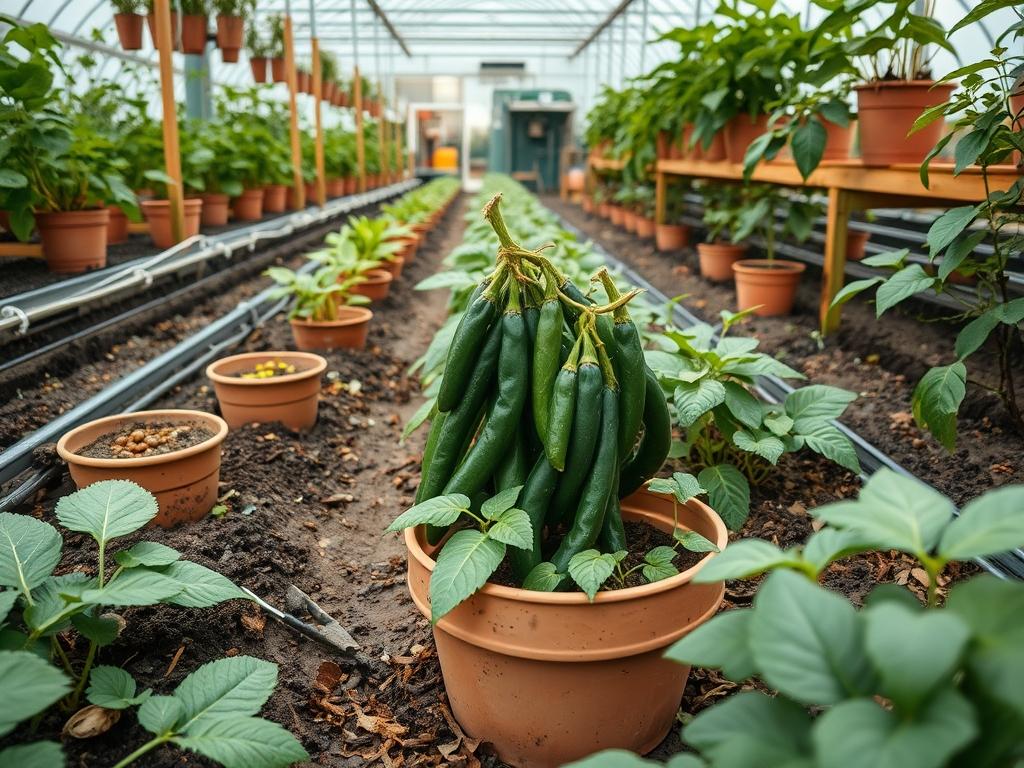
Integrating edible crops into a sophisticated residential landscape requires a strategic balance between aesthetic appeal and agricultural productivity. While many homeowners view vegetable gardening as a back-lot endeavor, the modern landscape architect recognizes the structural beauty and soil-building benefits of Phaseolus vulgaris, commonly known as the black bean. Harvesting garden black beans represents the climax of a carefully planned seasonal cycle, one that begins with site analysis and ends with a bountiful, protein-rich yield. To achieve success, a designer must consider the lifecycle of the bean plant, from its nitrogen-fixing roots to its cascading foliage, ensuring it enhances rather than detracts from the overall outdoor environment. The challenge lies in managing the transition from the lush green growth of summer to the desiccated, brown pods of the harvest season without compromising the visual integrity of the garden.
Successful integration starts with understanding the microclimate of the site. Black beans require a minimum of six to eight hours of direct sunlight and well-drained soil with a pH between 6.0 and 7.0. From a consultancy perspective, the soil serves as the foundation of the entire outdoor living space. Poor drainage can lead to root rot and fungal pathogens, which can quickly spread to ornamental species nearby. Therefore, the implementation of professional grading and subsurface drainage systems is paramount. When we plan for harvesting garden black beans, we are essentially planning a high-performance landscape that manages water, light, and nutrients with mechanical precision. This guide outlines how to design, install, and maintain a garden space that prioritizes the health of these legumes while upholding the standards of high-end landscape architecture.
Landscape Design Principles
In professional landscape architecture, every element must serve a dual purpose. When incorporating black beans, the designer must decide between bush beans and pole beans. Bush varieties offer a compact, symmetrical form that works well as a mid-layer in a tiered garden bed. They provide a dense texture that can hide the base of leggy ornamentals. Conversely, pole beans introduce verticality. By using high-quality cedar trellises or powder-coated steel obelisks, designers can create focal points that draw the eye upward, adding a sense of height and volume to the garden.
Symmetry is a foundational principle when organizing edible landscapes. Aligning raised beds along a central axis creates a sense of order and intentionality. These beds should be constructed from durable materials such as natural stone, weathering steel, or rot-resistant timber like redwood. The paths between these beds should be at least 36 inches wide to allow for comfortable movement and the use of garden carts. Furthermore, irrigation planning must be integrated into the initial design. Drip irrigation systems are the gold standard, as they deliver water directly to the root zone, reducing evaporation and preventing the foliage diseases that often plague bean plants when overhead watering is used.
Visual balance is achieved by surrounding bean crops with companion plants that offer contrasting colors and textures. For instance, the deep green leaves of Phaseolus vulgaris pair exquisitely with the silver foliage of Dusty Miller or the vibrant blooms of Marigolds. These companions are not merely aesthetic choices; they act as a biological form of pest management, attracting beneficial insects and distracting common garden pests. By layering these plants at different elevations, the landscape architect creates a rich, three-dimensional tapestry that remains attractive throughout the growing season.
Plant and Material Selection
| Plant Type | Sun Exposure | Soil Needs | Water Demand | Growth Speed | Maintenance Level |
| :— | :— | :— | :— | :— | :— |
| Black Beans | Full Sun | Well-drained Loam | Moderate | Fast | Low to Medium |
| Marigolds | Full Sun | Average | Low | Medium | Low |
| Rosemary | Full Sun | Sandy/Gritty | Low | Slow | Medium |
| Sweet Alyssum | Full Sun/Part Shade | Moist Loam | Moderate | Fast | Low |
| Nasturtium | Full Sun | Poor to Average | Moderate | Fast | Low |
Implementation Strategy
The transition from a blueprint to a thriving garden requires a systematic implementation strategy. The process begins with site preparation, involving the removal of existing turf and the installation of edging to define the garden borders. Rigid steel edging or poured concrete curbs provide a clean, modern look and prevent the encroachment of lawn grasses into the bean beds. Once the borders are set, the soil must be amended with organic compost to improve cation exchange capacity and overall fertility.
Grading is the next critical step. The soil surface should be leveled or slightly sloped at a 2 percent grade away from any permanent structures to ensure proper runoff. When planting, seeds should be placed at a 1-inch depth, spaced approximately 3 inches apart for bush beans or 6 inches apart for pole varieties. This spacing is vital for air circulation, which prevents the buildup of mildew. After planting, a 3-inch layer of organic mulch, such as shredded bark or clean straw, should be applied. Mulch serves to regulate soil temperature, suppress weeds, and retain moisture, all of which are necessary for the development of healthy bean pods.
As the plants mature, structural supports must be monitored for stability. For pole beans, ensure that the twine or wire mesh is securely fastened to the retaining walls or freestanding structures. During the mid-season, the landscape consultant should evaluate the irrigation schedule. As temperatures rise, the water demand will increase. Utilizing a smart irrigation controller with weather-sensing capabilities ensures that the plants receive the precise amount of water needed without waste or over-saturation.
Common Landscaping Failures
One of the most frequent failures in garden planning is inadequate drainage. Black beans are highly susceptible to “wet feet,” where saturated soil prevents gas exchange at the root level. If the site has heavy clay soil, the architect must specify the installation of French drains or raised planter boxes to elevate the root systems above the water table. Soil compaction is another common issue, often caused by heavy foot traffic near the planting area. Defining clear walkways with crushed gravel or flagstone protects the soil structure and ensures the roots can expand freely.
Improper spacing and root overcrowding can also lead to a declined harvest. When plants are too close together, they compete for light and nutrients, leading to stunted growth and reduced pod production. Furthermore, a lack of consistent irrigation can cause “blossom drop,” where the plant sheds its flowers due to stress, resulting in no crop to harvest. Finally, many gardeners fail to provide adequate vertical support for pole varieties. If the support system is too weak, the weight of the developing pods can cause the structure to collapse, damaging the plants and creating an unsightly clutter in the landscape.
Seasonal Maintenance
Seasonal management is the key to a professional-grade landscape. In the spring, the focus is on soil preparation and temperature monitoring. Black beans should not be planted until the soil temperature reaches at least 60 degrees Fahrenheit. Early season maintenance includes checking the drip emitters for clogs and ensuring the landscape lighting is not obstructed by new growth.
Transitioning into summer, the priority shifts to pest monitoring and moisture management. Watch for the presence of Mexican bean beetles or aphids, and utilize neem oil or insecticidal soap if populations exceed acceptable thresholds. This is also the time when harvesting garden black beans begins for those who prefer “shellout” beans. However, for a true black bean harvest, the pods must be left on the vine until they are completely dry and brittle.
In the autumn, the harvest generally takes place. You will know the beans are ready when the pods are yellow or brown and the seeds inside feel hard and rock-like. After the harvest, the spent vines should be cut at the soil line rather than pulled. This allows the nitrogen-fixing nodules on the roots to remain in the soil, providing a natural fertilizer for the next season’s crop. Finally, in winter, the garden beds should be covered with a winter mulch or a cover crop like clover to protect the soil from erosion and compaction during the dormant months.
Professional Landscaping FAQ
How do I decide between bush and pole black beans?
Consider your landscape’s vertical scale. Bush beans are ideal for low-profile, symmetrical borders. Pole beans provide vertical interest and act as privacy screens when grown on tall trellises or arbors, maximizing yield in small footprints.
What is the best way to ensure proper drainage?
Use a transit level to ensure a minimum 2 percent slope away from structures. For heavy soils, incorporate organic matter and install perforated drain tile or high-quality subsurface drainage systems to prevent waterlogging.
When is the optimal time for harvesting garden black beans?
Harvesting should occur when the pods are fully dry, brittle, and brown. The beans inside must be hard enough that they cannot be dented by a fingernail. Avoid harvesting during high humidity to prevent mold.
How deep should I apply mulch in an edible landscape?
Apply a consistent 3-inch layer of organic mulch like arborist wood chips or straw. This depth is sufficient to suppress weed growth and retain soil moisture while allowing gas exchange between the soil and the atmosphere.
Do black beans require heavy fertilization?
No, black beans are legumes that fix their own nitrogen. Excessive nitrogen fertilizer leads to lush foliage but poor pod production. Use a balanced slow-release fertilizer or high-quality compost only at the start of the season.