
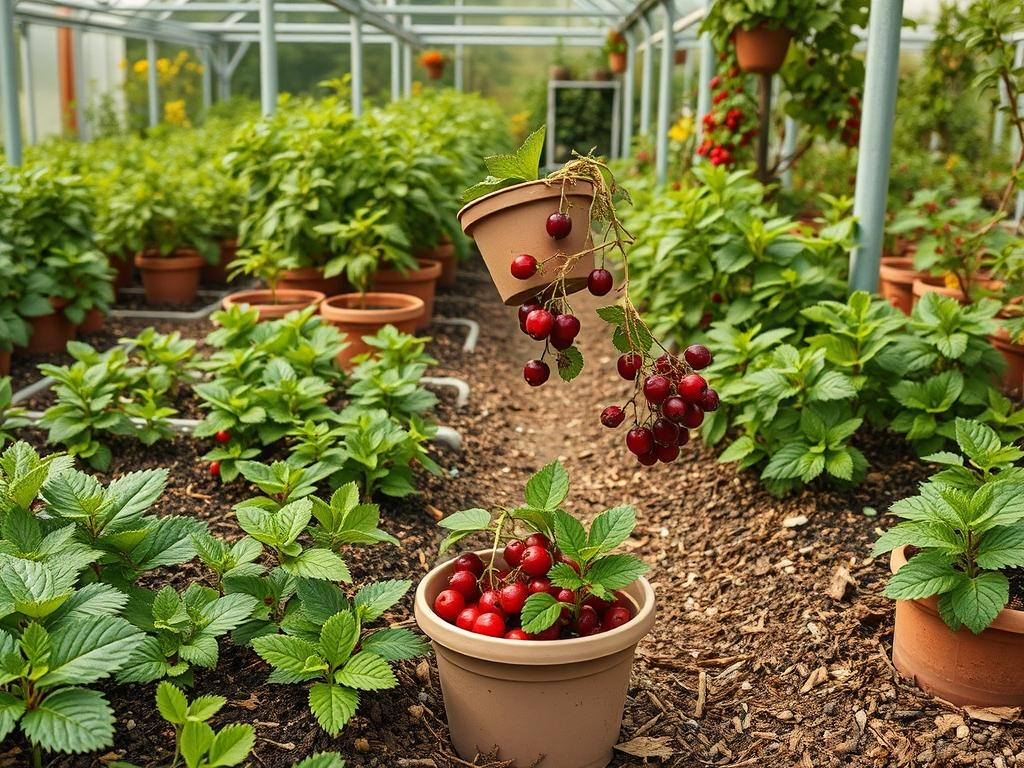
Integrating the American cranberry, known botanically as Vaccinium macrocarpon, into a residential landscape offers a sophisticated intersection of aesthetics and utility. Most homeowners perceive these plants as strictly commercial crops grown in massive industrial bogs; however, they function remarkably well as evergreen groundcovers in modern garden designs. Achieving a successful harvest while maintaining an attractive outdoor environment requires a deep understanding of hydrologic management. Harvesting garden cranberries efficiently depends on whether the landscape architect has designed a traditional dry bed or a specialized sunken garden capable of temporary flooding. A well executed cranberry installation enhances curb appeal through its shifting seasonal colors, ranging from delicate pink blossoms in spring to a deep, wine-red foliage in the winter months.
The primary challenge in cranberry landscaping is balancing the plant’s high moisture requirements with the need for proper drainage to prevent root rot. This isn’t a typical “set it and forget it” groundcover. It is a specialized horticultural feature that demands precise soil engineering. From an architectural perspective, the cranberry bed serves as a “soft” design element that can transition between manicured lawns and wilder, native plant zones. By utilizing acidic peat moss and coarse sand, a landscape designer can create a vibrant, fruiting carpet that provides both visual interest and a seasonal bounty. Whether the goal is a casual dry pick or an elaborate wet harvest, the design must account for the site’s topography and the way water moves across the property.
Landscape Design Principles
When planning a cranberry installation, symmetry and elevation layers are vital for visual impact. Because cranberries are low growing, typically reaching only 6 to 10 inches in height, they should be placed in the foreground of a planting bed. This creates a clear sightline and prevents the “disappearing act” that occurs when low plants are placed behind taller shrubs like Highbush Blueberry or Winterberry. Using these taller, acid-loving relatives as a backdrop provides a sense of vertical scale and focal point diversity.
Irrigation planning is perhaps the most critical design principle for cranberry beds. Unlike a standard lawn, a cranberry bed requires a dedicated zone with micro-sprays or drip emitters that can maintain high humidity and consistent moisture. If the intention is to perform a wet harvest, the bed must be designed as a contained “cell.” This involves creating a slight depression in the land, or using low retaining walls made of natural stone or treated timber, to hold water for short periods. Walkways should be positioned adjacent to these beds using stepping stones or cedar boardwalks to avoid soil compaction, as cranberry runners are delicate and do not tolerate foot traffic.
Visual balance is achieved by contrasting the fine, needle-like foliage of the cranberry with broader leaf textures. For example, bordering a cranberry patch with Hostas or Ferns creates a striking textural dialogue. The landscape architect must also consider the winter interest; the cranberry’s transition to a deep mahogany hue provides a warm color palette during the coldest months, maintaining the garden’s structural integrity when other deciduous plants have lost their leaves.
Plant and Material Selection
| Plant or Material | Sun Exposure | Soil Needs | Water Demand | Growth Speed | Maintenance Level |
| :— | :— | :— | :— | :— | :— |
| Vaccinium macrocarpon | Full Sun | pH 4.0 to 5.5 | High | Moderate | Medium |
| Sphagnum Peat Moss | N/A | High Acidity | High Retention | N/A | Low |
| Arctostaphylos uva-ursi | Full Sun | Sandy/Acidic | Low | Slow | Low |
| Coarse Builder Sand | N/A | Well-Drained | Low Retention | N/A | Moderate |
| Cornus canadensis | Part Shade | Rich/Acidic | Moderate | Moderate | Medium |
Implementation Strategy
The implementation of a cranberry garden begins with rigorous site preparation. First, the area must be excavated to a depth of 12 to 18 inches. This “basin” is then lined with a permeable landscape fabric to prevent the surrounding native soil from neutralizing the acidic environment required by the berries. The basin is filled with a mixture of 70 percent peat moss and 30 percent coarse sand. This specific ratio mimics the natural bog environment while providing enough structure for the roots to breathe.
If the goal is water harvesting garden cranberries, the basin should be lined with a polyethylene liner with adjustable drainage outlets. This allows the homeowner to flood the bed with 6 to 8 inches of water during the autumn harvest. For a dry harvest strategy, the bed should be finished with a uniform grade that slopes slightly away from the center to ensure that standing water does not remain during the growing season. A finish layer of 1 inch of sand is applied to the top; this encourages the runners, or “stolons,” to set roots and promotes a dense, weed-suppressing mat.
Edging is the final step in the layout. Sharp, steel edging or flexible composite borders should be used to define the cranberry zone. This prevents the runners from creeping into turf areas and keeps the specialized soil mix contained. Once the plants are installed at a spacing of 12 inches on center, a heavy mulching of additional sand is applied. This sand serves a dual purpose: it regulates soil temperature and provides a clean surface for the berries to rest on, preventing soil splashes that can lead to fungal issues.
Common Landscaping Failures
The most frequent mistake in cranberry landscaping is poor drainage during the active growing season. While cranberries are “bog plants,” they do not actually grow in standing water year-round. They require a saturated but oxygenated root zone. If water becomes stagnant, the roots will suffocate, leading to a stunted harvest and plant death. Similarly, using standard tap water in regions with high alkalinity can slowly raise the soil pH, causing the plants to turn yellow and stop producing fruit.
Another common failure is root overcrowding and competition from weeds. Because cranberries are low-competing plants, they are easily overwhelmed by aggressive grasses or invasive broadleaf weeds. Failure to hand-weed during the first two years of establishment can result in the cranberry mat being choked out before it has a chance to fully knit together. Additionally, improper spacing during the initial planting can lead to “bald spots” in the landscape, which detracts from the professional aesthetic and allows more room for weed infiltration.
Lastly, many homeowners neglect the “sanding” process. Traditional cranberry management requires a light application of half an inch of sand every two to three years. Skipping this step leads to woody, unproductive vines. The sand buries the older stems and encourages the growth of new, upright fruiting branches. Without this replenishment, the landscape loses its lush, green appearance and the berries become smaller and less frequent.
Seasonal Maintenance
In the spring, maintenance focuses on frost protection. Cranberry buds are sensitive to late freezes. If a frost is predicted, the bed should be covered with frost blankets or lightly misted with water. This is also the time to apply a low-nitrogen, acidic fertilizer to jumpstart the spring growth. As the “uprights” begin to emerge, ensure the irrigation system is fully functional, as this is the plant’s highest period of water consumption.
Summer maintenance involves consistent monitoring of soil moisture and pest management. The landscape should be kept moist but not soggy. This is the prime season for the plants to produce their delicate blossoms and begin fruit set. Hand-weeding remains essential during these months. If the uprights become too leggy, a light pruning can encourage a more compact and attractive growth habit.
Autumn is the season for harvesting garden cranberries. For the dry method, wait for a period of dry weather and use a wooden cranberry scoop or a handheld rake to gently comb the berries from the vines. This method preserves the waxy coating on the fruit and ensures a longer shelf life. For the wet method, the bed is flooded, and a soft-bristle rake is used to agitate the vines, causing the buoyant berries to float to the surface for easy collection. After the harvest, the water must be drained immediately to allow the plants to harden off for winter.
Winter care is about protection and dormancy. In colder climates, a thick layer of pine straw or evergreen boughs can be placed over the bed to prevent winter burn from cold winds. This “mulch” also protects the plants from the weight of heavy snow. In very cold regions, some landscape architects recommend a “winter flood,” where a layer of water is frozen over the plants to insulate them from extreme temperature fluctuations, though this requires a very high level of hydrologic control.
Professional Landscaping FAQ
Can I grow cranberries in a standard garden bed?
No, cranberries require specialized acidic soil with a pH below 5.5 and high moisture levels. A standard garden bed usually has a neutral pH and dries out too quickly, which will lead to the plants failing to thrive.
Is the dry harvest method better than the wet method?
Dry harvesting is superior for small residential plots because it requires less infrastructure. It results in firmer fruit with a longer storage life; however, wet harvesting is more efficient for large volumes and provides a unique visual spectacle.
How much sun do cranberries need for a good harvest?
For maximum fruit production and the deepest red color, cranberries require full sun, meaning at least six to eight hours of direct sunlight daily. They can grow in partial shade, but the harvest will be significantly reduced.
What is the best mulch for a cranberry bed?
The best “mulch” is actually coarse builder’s sand. Unlike wood chips, sand encourages new rooting along the runners and creates the specific drainage conditions that cranberries need to remain productive and healthy over many years.
When will my cranberry plants start producing fruit?
A newly installed cranberry bed typically takes two to three years to establish a dense enough mat to produce a significant harvest. Once established, the vines can remain productive for decades if regularly top-dressed with sand.