
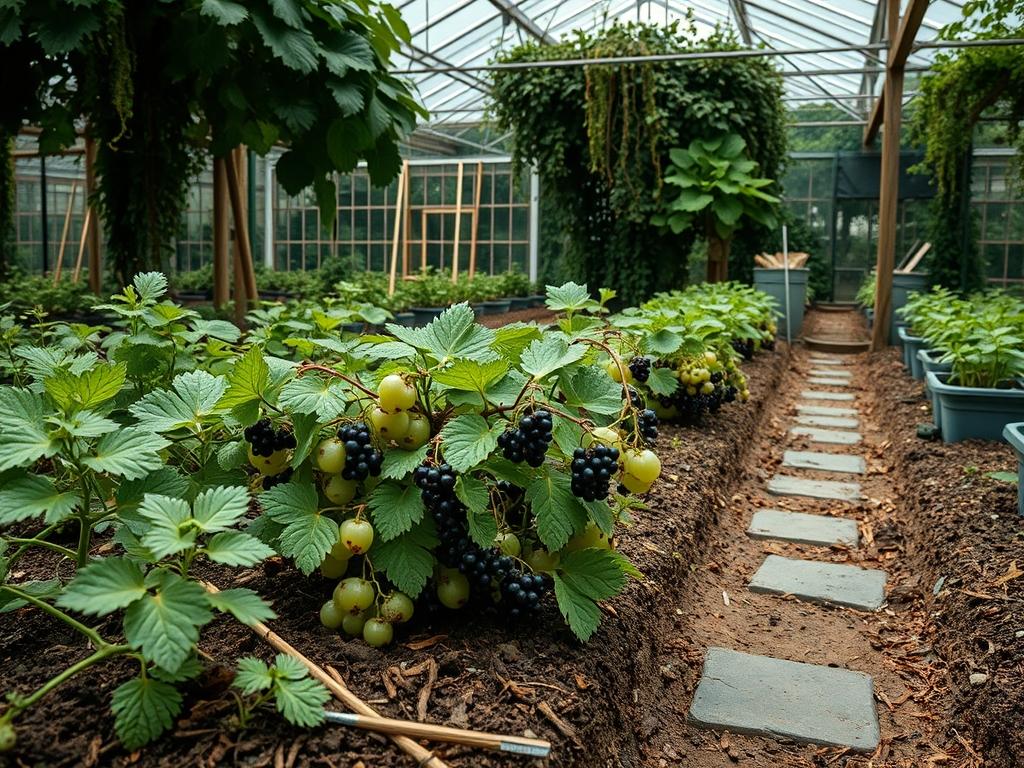
Integrating fruit bearing shrubs into a professional site plan requires a delicate balance between aesthetic value and utilitarian accessibility. For many property owners, the inclusion of Ribes rubrum or Ribes nigrum provides a dual benefit: vibrant seasonal color and a high yield of nutrient dense fruit. However, the success of Harvesting Garden Currants for high quality jelly starts months before the fruit ripens. It begins with the spatial configuration of the landscape. A well designed currant grove acts as a structural midlayer in a perennial border, providing a transition between low lying groundcovers and taller canopy trees. Because these shrubs thrive in temperate climates with cold winters, the design must account for microclimates within the yard, ensuring adequate airflow to prevent fungal pathogens like powdery mildew while maintaining enough protection from desiccating winds. Curb appeal is significantly enhanced by the glossy foliage and the brilliant, jewel like clusters of fruit, but the outdoor functionality depends on creates a layout that allows a gardener to reach the center of the shrub without compacting the root zone.
Landscape Design Principles
Successful landscape architecture relies on the intentional application of symmetry and focal points. When incorporating currants, designers often use them to define walkways or to create soft transitions between formal lawn areas and wilder, native plantings. Elevation layers are critical; placing currants on a slightly raised terrace or a gentle slope ensures that water does not pool around the crown. Irrigation planning should be prioritized during the conceptual phase. A sub surface drip irrigation system is the professional standard, delivering moisture directly to the root zone without wetting the foliage, which is a primary cause of leaf spot diseases.
Visual balance is achieved by staggering the shrubs in a triangular pattern rather than a rigid straight line, which allows for better light penetration and air circulation. Access paths are another vital design element. If a shrub is more than 4 feet wide, the architect should include stepping stones or a narrow gravel path to facilitate Harvesting Garden Currants. This prevents the soil from becoming compacted, which can lead to poor drainage and reduced yields. By treating the currant bush as a structural element rather than a hidden utility plant, the designer ensures that the harvesting process becomes an integrated part of the outdoor living experience.
Plant and Material Selection
| Plant Type | Sun Exposure | Soil Needs | Water Demand | Growth Speed | Maintenance Level |
| :— | :— | :— | :— | :— | :— |
| Red Currant | Full Sun to Partial Shade | Rich, well drained loam | Moderate | Moderate | Medium |
| Black Currant | Full Sun | Heavy, moisture retentive loam | High | Fast | High |
| White Currant | Partial Shade | Loamy with high organic matter | Moderate | Moderate | Medium |
| Jostaberry | Full Sun | Adaptable, prefers rich soil | Moderate | Very Fast | Low |
| Pink Currant | Full Sun to Partial Shade | Sandy loam | Moderate | Moderate | Medium |
Implementation Strategy
The implementation phase begins with professional grading to ensure the site directs runoff away from the home foundation while retaining enough moisture for these thirsty shrubs. Start by marking the perimeter of the bed with Lumber or Steel Edging to create a crisp boundary between the turf and the planting area. For a standard currant installation, the soil should be amended with at least 4 inches of composted organic matter to a depth of 12 inches.
Once the grading is complete, lay out the irrigation lines. Use 1/2-inch poly tubing with emitters spaced every 12 inches. After the plants are positioned according to the design, apply a 3-inch layer of hardwood mulch or pine bark to regulate soil temperature and suppress weeds. Proper spacing is non negotiable; Red Currants should be spaced at least 3 to 5 feet apart, while Black Currants require up to 6 feet of clearance to account for their more vigorous, spreading growth habit. This spacing not only ensures plant health but also provides the necessary elbow room for the gardener when the time comes for Harvesting Garden Currants. Hardscaping elements, such as stone retaining walls or timber borders, can be used to elevate the beds, making the picking process more ergonomic and protecting the plants from lawn equipment.
Common Landscaping Failures
One of the most frequent mistakes in edible landscaping is improper drainage management. If the soil remains saturated, currants will succumb to root rot within a single season. Designers must avoid low spots in the yard where water naturally collects. Another common failure is root overcrowding. When shrubs are planted too close together, they compete for nutrients and light, resulting in a sparse interior and berries that are difficult to reach.
Soil compaction is another silent killer. If your design does not include dedicated walkways, foot traffic will eventually crush the pore spaces in the soil, preventing oxygen from reaching the roots. Furthermore, irrigation inefficiencies often arise when overhead sprinklers are used. This method wastes water and creates a humid environment conducive to rust and other fungal issues. Finally, ignoring the “sun scald” factor can be detrimental. In hotter climates, currants need afternoon shade to prevent the fruit from shriveling before it reaches peak pectin levels for jelly.
Seasonal Maintenance
Spring maintenance begins with a thorough inspection of the pruning shears and loppers. In late winter or early spring, remove any wood that is more than three years old to encourage new growth, as currants fruit most heavily on two and three year old wood. Apply a balanced granular fertilizer before the buds break.
During the summer, the focus shifts to moisture management and the primary task of Harvesting Garden Currants. For jelly making, the best method is to harvest the entire “strig,” which is the cluster of berries, rather than picking individual fruits. Use micro snips to cut the stem at the base. This method keeps the berries intact and prevents them from bleeding juice, which preserves the natural pectins required for a firm set. Harvest when about 90 percent of the berries in a cluster are ripe; the remaining 10 percent of slightly under ripe fruit provides the necessary acidity and pectin for superior jelly.
Autumn involves cleaning up fallen leaves, which can harbor pests, and refreshing the mulch layer to protect the roots from the impending freeze. In winter, the landscape architect should evaluate the structural integrity of the shrubs and plan any necessary transplanting or hardscape repairs while the plants are dormant.
Professional Landscaping FAQ
What is the best soil pH for currants?
Currants prefer a slightly acidic to neutral soil, ideally between 6.0 and 7.0. If the soil is too alkaline, the plants may suffer from iron chlorosis, which turns the leaves yellow and reduces fruit production for jelly.
How do I prevent birds from stealing the harvest?
Professional designers often integrate bird netting or ornamental cages into the landscape. Lightweight mesh can be draped over the shrubs once the fruit begins to turn color, ensuring the berries remain for the gardener rather than the local wildlife.
When is the optimal time for Harvesting Garden Currants?
For jelly, harvest in mid to late summer when the berries are translucent and firm. Picking the entire cluster with pruning snips is the most efficient method, as it protects the fruit and makes the subsequent cleaning process much easier.
Can currants be grown in large containers?
Yes, currants can thrive in 15-gallon or larger containers if provided with consistent irrigation and high quality potting soil. This is an excellent solution for urban landscapes or small patios where ground space is limited but curb appeal is desired.
Do I need two different varieties for pollination?
Most modern Red Currants and Black Currants are self fertile, meaning a single plant will produce fruit. However, planting two different varieties can often increase the overall yield and extend the harvest window through staggered ripening times.