
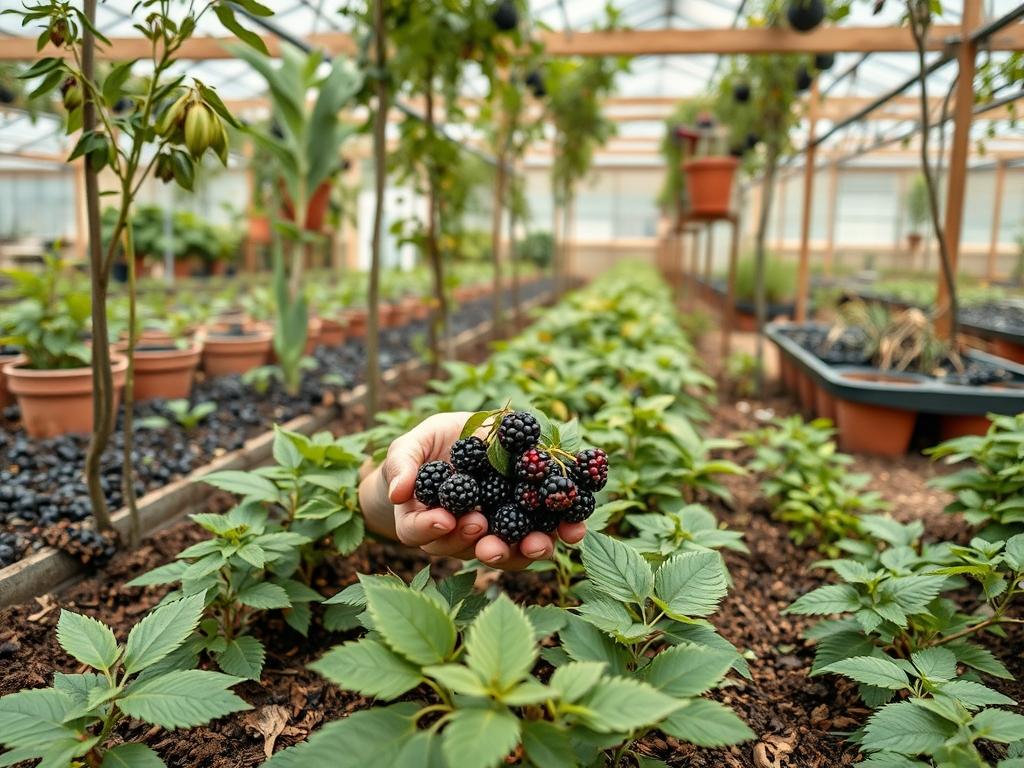
Integrating the elderberry shrub into a professional landscape design requires a delicate balance between wild ecological function and refined aesthetic appeal. Often overlooked as a mere hedgerow plant, the genus Sambucus offers deep purple foliage, umbrella-like floral structures, and a bounty of nutrient-dense fruit that enhances the biodiversity of any outdoor environment. However, the successful integration of these plants involves more than just digging a hole. A landscape architect must consider the architectural footprint of the mature shrub, the drainage requirements of the site, and the functional logistics of picking fresh elderberries once the season arrives. When planned correctly, these shrubs serve as excellent privacy screens or focal points that provide seasonal interest from the first white blossoms of spring to the heavy, dark clusters of late summer.
Designing for fruit production within a high-end landscape also demands a focus on accessibility and soil health. Because elderberries thrive in moist, nitrogen-rich environments, they are often used in transition zones between manicured lawns and naturalized water features or bioswales. The challenge for the consultant is to manage the sprawling habit of the plant so it does not detract from the property’s curb appeal. By utilizing structural pruning and strategic placement, one can harness the ornamental qualities of varieties like “Black Lace” or “Lemony Lace” while maintaining a productive harvest zone. Safety remains the primary concern during the design phase, ensuring that the harvest areas are stable, well-drained, and free from chemical runoff.
Landscape Design Principles
Effective landscape design utilizes elderberries to establish vertical interest and seasonal transitions. Symmetry is often achieved by flanking a formal entryway with elderberry shrubs that have been trained into small, multi-stemmed trees. This creates a sense of arrival while softening the hard lines of the architecture. Focal points can be established by grouping dark-foliaged varieties against a light-colored retaining wall or a colonial-style fence, allowing the intricate leaf patterns to stand out.
Elevation layers are critical when incorporating these shrubs. Since elderberries can reach heights of ten to twelve feet, they should be positioned in the background of a layered border, behind mid-sized perennials and low-growing groundcovers. Irrigation planning must account for their high water demand, specifically during the fruiting phase. Drip irrigation systems are preferred over overhead sprays to keep the foliage dry and reduce the risk of fungal diseases. Furthermore, the inclusion of wide, stable walkways made of flagstone or decomposed granite is essential. These paths provide the necessary clearance for picking fresh elderberries without trampling smaller companion plants or compacting the soil around the root zone. Visual balance is maintained by offset planting, ensuring that the heavy weight of the fruit clusters does not make the landscape appear lopsided during the peak of the growing season.
Plant and Material Selection
Selecting the right cultivar and supporting materials determines the long-term success of the installation. The following table highlights common choices for professional landscapes.
| Plant Type | Sun Exposure | Soil Needs | Water Demand | Growth Speed | Maintenance Level |
| :— | :— | :— | :— | :— | :— |
| American Elderberry | Full Sun to Part Shade | Moist, Loamy | High | Fast | Medium |
| European Elderberry | Full Sun | Well-drained | Moderate | Medium | Low |
| Black Lace Elderberry | Full Sun | Rich, Acidic | Moderate | Medium | High |
| York Elderberry | Full Sun | High Nitrogen | High | Fast | Medium |
| Adams Elderberry | Full Sun to Part Shade | Heavy Clay/Loam | High | Fast | Medium |
For structural support and site preparation, use shredded cedar mulch, galvanized steel edging, and organic compost. The choice of drip irrigation tubing should be a half-inch diameter to ensure deep saturation.
Implementation Strategy
The implementation process begins with a comprehensive site analysis focused on grading and drainage. Elderberries do not tolerate standing water for extended periods, despite their love for moisture. The landscape should be graded at a two percent slope away from any structural foundations to ensure proper runoff. Once the grade is established, the designer should mark out the planting holsters, ensuring at least six to eight feet of spacing between each shrub to allow for air circulation and easy access for picking fresh elderberries.
Edging should be installed next to define the beds and prevent the elderberry’s shallow root system from encroaching into the turf. A steel edging or stone border provides a clean line that enhances the property’s professional look. Before planting, the soil should be amended with two inches of organic compost tilled to a depth of twelve inches. After the shrubs are installed, a three-inch layer of hardwood mulch is applied to retain moisture and regulate soil temperature. Hardscaping elements, such as benches or decorative boulders, should be placed toward the edges of the elderberry grove to provide a seated area for those processing the harvest.
Common Landscaping Failures
One of the most frequent failures in elderberry landscaping is improper drainage management. If the soil becomes oversaturated and anaerobic, the roots will rot, leading to a sudden decline in the plant’s health. Conversely, allowing the soil to dry out completely during the heat of July will cause the fruit to shrivel, ruining the opportunity for picking fresh elderberries at their peak. Soil compaction is another major issue, often caused by heavy foot traffic during the harvest. This limits oxygen exchange and stunts the growth of the shrub.
Root overcrowding occurs when designers plant elderberries too close to large trees like oaks or maples. The elderberry’s shallow root system cannot compete with the aggressive roots of established timber. Failure to provide adequate spacing also leads to poor sunlight penetration, which results in leggy growth and sparse fruit production. Finally, irrigation inefficiencies, such as using a single zone for both drought-tolerant succulents and thirsty elderberries, will inevitably lead to the failure of one or both species.
Seasonal Maintenance
Spring maintenance focuses on rejuvenation. As soon as the ground thaws, apply a balanced slow-release fertilizer and perform structural pruning. Remove any canes that are more than three years old to encourage new, productive growth. This is also the time to check the integrity of the irrigation lines and ensure the emitters are clear of debris.
Summer is the period of highest demand. Consistent watering is required to support the developing fruit. Designers should monitor the site for pests like the elderberry borer or Japanese beetles. As the berries ripen, the task of picking fresh elderberries becomes the priority. Safety is paramount here; all green or unripe berries must be excluded from the harvest, as they contain cyanogenic glycosides which can be toxic. Only clusters that are deep purple, almost black, and slightly soft to the touch should be removed.
Autumn involves cleaning up fallen debris to prevent over-wintering pests. New mulch should be applied if the previous layer has decomposed. It is also an excellent time to evaluate the year’s growth and plan any hardscape adjustments. Winter is the dormant phase where the landscape architect can appreciate the skeletal form of the shrubs. Heavy pruning should be avoided until late winter or early spring to protect the plant from extreme cold damage.
Professional Landscaping FAQ
When is the best time for picking fresh elderberries?
Harvest typically occurs from late August through September. Look for clusters where every berry is dark purple or black. Avoid picking if many green berries remain, as they are toxic and indicate the cluster is not yet ready.
How do I prevent elderberries from looking messy?
Use structural pruning to maintain a clean base and remove suckers consistently. Pairing them with formal hardscaping, such as stone pavers or low retaining walls, helps contain their wild appearance and creates a deliberate, professional look.
What are the safety risks of elderberries?
Raw elderberries, leaves, and stems contain compounds that can cause respiratory distress or digestive upset. Always cook the berries before consumption. During the harvest, wear gloves to avoid skin irritation from the stems and sap.
Can elderberries grow in heavy clay soil?
Yes, they are remarkably resilient in clay, provided the site does not have standing water. Amending the area with gypsum and organic matter improves the structure, allowing the roots to spread more effectively in dense landscapes.
How much sun do elderberries need for fruit production?
For the best results when picking fresh elderberries, the plants should receive at least six to eight hours of direct sunlight. While they can grow in shade, the fruit yield will be significantly lower and the foliage less dense.