
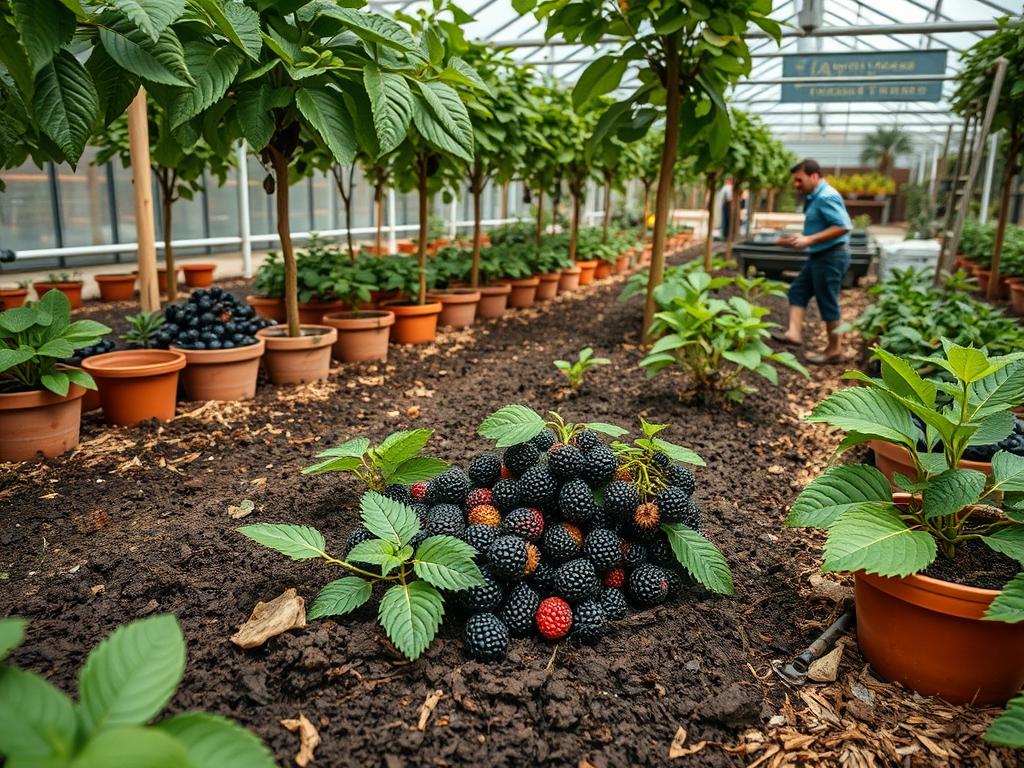
Integrating fruit-bearing trees into a professional landscape design requires a delicate balance between natural beauty and site utility. The Mulberry tree, specifically the Morus rubra or Morus nigra, is often prized for its rapid growth and dense, shade-providing canopy. From a consultant’s perspective, these trees offer significant value in creating privacy screens and local cooling effects for residential properties. However, when the fruit ripens, the resulting drop can create a significant maintenance burden that threatens the integrity of hardscaping and the cleanliness of outdoor living areas. Effective garden planning must prioritize the placement of these specimens to ensure that the “mess” of the harvest does not degrade the curb appeal or the functional value of the surrounding environment.
Proper siting is the first rule of management for any high-yield fruit tree. In a professional landscape, we categorize areas by foot traffic and surface sensitivity. Plunking a Mulberry tree directly over a travertine patio or a white concrete driveway is an architectural oversight that leads to permanent staining and slippery surfaces. Instead, these trees should be positioned at the perimeter of the property or within designated “wild” zones where the fallen fruit can decompose naturally without impacting foot traffic. By aligning the tree with prevailing winds and water runoff patterns, a designer can minimize the drift of debris toward the primary residence.
Landscape Design Principles
Successful landscape design for fruit-bearing environments relies heavily on the principle of functional zoning. We divide the garden into high-touch areas, such as seating zones and entryways, and low-touch areas, such as background screenings and orchard pockets. A Mulberry tree serves as a magnificent focal point due to its structural gnarled trunk and vibrant green foliage, but its visual dominance must be balanced with practical ground management. Symmetry can be achieved by flanking a distant garden gate with a pair of these trees, creating a portal effect that stays far removed from the house.
Elevation and layering are equally critical. By planting the tree on a slight natural berm or elevated mound, you can direct organic runoff toward a specific drainage collection point rather than allowing it to pool on walkways. This elevation also assists in the harvest process, as gravity helps consolidate the fallen berries. We often design “soft landing” zones beneath the canopy. These are areas filled with dark, organic wood chip mulch or dense groundcovers that can absorb the fallen fruit, masking the visual clutter and preventing the berries from being tracked into the home.
Walkway planning around a Mulberry should prioritize non-porous materials or dark-colored aggregates. If a path must pass near the drip line, we recommend using dark slate or basalt pavers. These materials naturally hide the purple pigments of the fruit. Furthermore, irrigation systems must be planned to avoid over-saturating the fruit-bearing zone. Excessive water during the ripening stage leads to bloated, soft fruit that bursts upon impact, whereas a controlled drip irrigation system keeps the tree healthy while maintaining a drier, firmer ground surface for easier cleanup.
Plant and Material Selection
Selecting the right companion plants and materials is vital for a low-maintenance harvest. The plants listed below are chosen for their ability to thrive in the partial shade of a large canopy or their capacity to hide fallen debris.
| Plant Type | Sun Exposure | Soil Needs | Water Demand | Growth Speed | Maintenance Level |
| :— | :— | :— | :— | :— | :— |
| Morus nigra (Black Mulberry) | Full Sun | Well-drained | Moderate | Fast | High (Fruit) |
| Pachysandra (Groundcover) | Shade/Part Sun | Acidic/Rich | Moderate | Medium | Low |
| Hostas (Perennial) | Shade | Moist/Loamy | High | Medium | Medium |
| Dark Cedar Mulch | N/A | N/A | N/A | N/A | Annual Refresh |
| Steel Edging | N/A | N/A | N/A | N/A | Low |
| Stonecrop (Sedum) | Full Sun | Poor/Sandy | Low | Fast | Low |
Implementation Strategy
The implementation phase begins with professional grading. The ground beneath a Mulberry tree should be graded at a 2 percent slope away from the home. This ensures that during a rainstorm, the juice from fallen berries is carried toward a French drain or a bioswale rather than toward the foundation. Once the grade is established, we install high-quality geotextile fabric to prevent weeds from competing with the tree’s root system. This fabric acts as a clean base for whatever groundcover or mulch is chosen.
For the harvest area itself, we recommend installing a permanent steel edging or heavy-duty plastic border in a wide circle around the tree’s drip line. This keeps the mulch contained and creates a clear boundary for maintenance crews. Inside this border, a 3-inch layer of double-ground hardwood mulch should be maintained. This depth is sufficient to cushion falling fruit, reducing the mess caused by splattering.
To facilitate an active harvest, we often design custom tarping hooks into the surrounding hardscape. These discreet anchors allow the homeowner to quickly stretch a heavy-duty polyethylene tarp beneath the canopy. Using the “shake method” with a long reaching pole, the fruit can be harvested in bulk onto the tarp, which is then rolled up, leaving the landscape undisturbed. This proactive approach prevents the fruit from ever touching the soil, which is the most effective way to manage the mess.
Common Landscaping Failures
The most frequent failure in fruit tree landscaping is the neglect of the “drip line” reality. Homeowners often plant beautiful, light colored flagstone directly under a young tree, forgetting that in five years, that tree’s canopy will extend ten feet further, raining berries down on the expensive stone. This leads to permanent discoloration and a slippery, hazardous surface. Proper spacing is non-negotiable; a Mulberry tree needs a minimum of 15 to 20 feet of clearance from any porous hardscape.
Another common issue is soil compaction. Because these trees are often visited frequently during the four-week harvest window, the soil beneath them becomes packed down. This suffocates the shallow root system and creates drainage “bowls” where water and fermenting fruit collect. To avoid this, we design designated “harvest paths” using stepping stones or permeable pavers, which concentrate the weight of the gardener on specific points while leaving the rest of the root zone aerated. Finally, over-irrigation is a recurring mistake. If the soil is too wet during harvest, it becomes a muddy slurry mixed with fruit juice, which is nearly impossible to clean from shoes or tools.
Seasonal Maintenance
Spring maintenance focuses on structural pruning. Using a bypass pruner or pole saw, we remove any water sprouts or inward-growing branches. This thins the canopy, allowing for better airflow and making the berries easier to reach during the summer. We also apply a slow-release fertilizer with a 10-10-10 ratio to support the massive energy expenditure of fruit production.
Summer is the peak management season. We recommend daily sweeps of any nearby “transition zones” where the garden meets the house. A high-pressure garden hose or a power washer (set to a low PSI) should be used to clear juice from sidewalks before it bakes in the sun. If berries fall on the mulch, they should be turned over with a garden rake to accelerate decomposition and reduce the attraction of stinging insects.
Autumn is dedicated to sanitation. All remaining mummified fruit and fallen leaves must be cleared to prevent the overwintering of pests. This is the time to refresh the mulch layer to a full 3-inch depth. During winter, the landscape architect focuses on the “bones” of the garden, ensuring that the tree’s silhouette remains an asset even when the leaves are gone. Proper winter pruning ensures that the tree does not become top-heavy, which could lead to limb failure during heavy snow or wind.
Professional Landscaping FAQ
How do I prevent mulberry stains on my patio?
The most effective method is pre-treatment. Seal your pavers with a penetrating silane-siloxane sealer. This creates a hydrophobic barrier, preventing the purple pigments from soaking into the stone. Always hose down the area immediately after any fruit fall occurs.
What is the best groundcover to hide fallen fruit?
A dense, dark green groundcover like Pachysandra or Ivy works best. These plants create a thick mat that swallows the fallen berries, allowing them to decompose out of sight while providing a lush, green aesthetic year-round.
Can I grow a mulberry in a small urban yard?
Yes, but you should select a dwarf everbearing variety. These stay under 10 feet tall and are much easier to manage. Ensure you use root barriers if planting near a foundation or underground utility lines to prevent damage.
How do I manage the flies and bees during harvest?
Sanitation is the primary defense. Use a leaf vacuum or tarp system to remove overripe fruit every 48 hours. Maintaining a dry mulch layer also discourages insects, as most pests are attracted to the fermenting moisture of crushed berries.
Should I use a chemical spray to stop fruit production?
While growth regulators exist to reduce fruiting, they can be harsh on the tree’s long-term health. If the mess is truly unmanageable, it is often better to replace the tree with a fruitless mulberry (Morus alba ‘Fruitless’) to maintain the shade.