
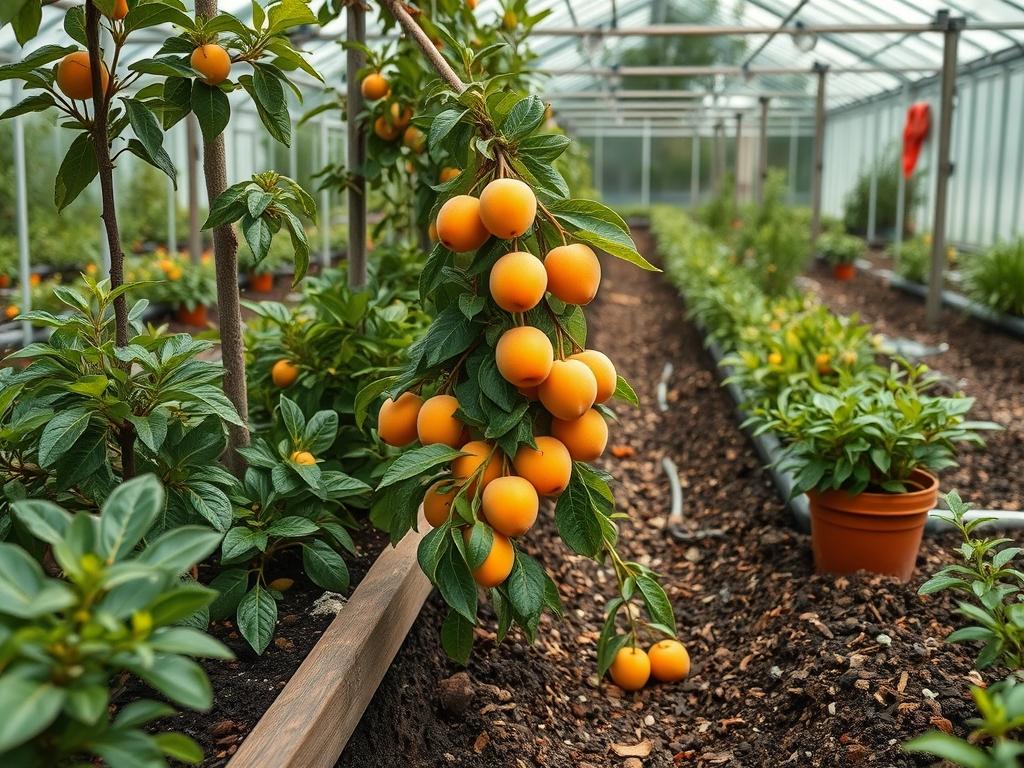
Designing a functional orchard within a residential or commercial landscape requires more than just digging a hole and dropping in a sapling. For properties where the primary objective involves picking fresh apricots for drying, the architectural layout must prioritize sunlight penetration, air circulation, and ease of harvest access. A well-designed landscape integrates these productive elements without sacrificing curb appeal. Often, the challenge lies in balancing the sprawling, often unruly nature of stone fruit trees with the clean lines of modern hardscaping. Success begins with understanding the specific microclimate of the site; apricots are notoriously sensitive to late spring frosts and excessive soil moisture. By treating the orchard as a central design feature rather than a hidden utility area, we can create an outdoor environment that is both visually stunning and highly productive.
When we approach the task of picking fresh apricots from a landscape perspective, we must consider the heights and widths of the mature canopy. Many homeowners make the mistake of planting fruit trees in cramped corners, which ultimately hinders the harvesting process. Effective landscaping ensures that there is a 10-foot to 15-foot radius of clear, walkable space around each tree. This space allows for the placement of ladders and baskets while providing the necessary clearance for air to move freely through the property. Proper air drainage prevents the fungal issues that can ruin a crop before it is even ready for the dehydrator.
Landscape Design Principles
Symmetry and focal points are the cornerstones of a professional orchard layout. In a formal landscape, we often arrange apricot trees in a grid or a linear allee to create a sense of rhythm and direction. This structural approach guides the eye toward a specific focal point, such as a fountain or a shaded seating area. When picking fresh apricots for drying, the ease of movement between trees is paramount. We solve this by incorporating wide, permeable walkways made of decomposed granite or fine gravel. These materials provide a stable surface for foot traffic while allowing water to penetrate the soil rather than pooling around the roots.
Elevation layers play a critical role in both the aesthetics and the health of the orchard. Placing trees on a slight mound or a raised terrace can improve drainage significantly. In areas with heavy clay soil, we often design retaining walls built from natural stone or interlocking pavers to create raised beds. This prevents the “wet feet” syndrome that leads to root rot in stone fruits. Furthermore, by varying the elevation, we can create a more dynamic visual experience. Low-growing herbs like lavender or thyme can be planted at the base of the trees to provide a textural contrast and attract pollinators, which are essential for a heavy fruit set.
Irrigation planning must be integrated into the design from the very beginning. For an apricot-focused landscape, we typically utilize a drip irrigation system with pressure-compensating emitters. This delivery method ensures that water is applied directly to the root zone, minimizing evaporation and keeping the foliage dry. Wet leaves are a primary cause of disease in fruit trees, so overhead sprinklers should be avoided at all costs. By zoning the irrigation correctly, we can provide the trees with deep, infrequent watering cycles that encourage a robust root system.
Plant and Material Selection
| Plant Type | Sun Exposure | Soil Needs | Water Demand | Growth Speed | Maintenance Level |
| :— | :— | :— | :— | :— | :— |
| Blenheim Apricot | Full Sun | Well-drained loam | Moderate | Medium | High |
| Moorpark Apricot | Full Sun | Sandy loam | Moderate | Medium | High |
| Royal Apricot | Full Sun | Loamy soil | Moderate | Fast | High |
| English Lavender | Full Sun | Gritty, poor soil | Low | Medium | Low |
| Creeping Rosemary | Full Sun | Well-drained soil | Low | Fast | Low |
| Dwarf Citrus | Full Sun | Acidic loam | High | Slow | Moderate |
Implementation Strategy
The first step in any backyard or garden layout is precise grading. We aim for a 2 percent slope away from the house and any permanent structures to ensure proper moisture runoff. Once the grade is established, we mark the footprints for the hardscaping elements. This includes any paver patios, walkways, or stone borders. For an orchard intended for picking fresh apricots, the edging should be flush with the surrounding turf or mulch to prevent tripping hazards during the harvest.
After the hardscape is in place, we focus on soil preparation. We often incorporate organic compost and gypsum to a depth of 18 inches to improve soil structure. For each apricot tree, we dig a hole twice as wide as the root ball but no deeper. This prevents the tree from settling too low, which can lead to crown rot. Once planted, we apply a 3-inch layer of shredded cedar mulch or pine bark around the base, ensuring that the mulch does not touch the trunk itself. This layer helps regulate soil temperature and suppress weeds that would otherwise compete for nutrients.
Drainage is further managed through the installation of French drains or dry creek beds if the site has a naturally high water table. We use 4-inch perforated pipes surrounded by three-quarter-inch drain rock to move excess water to a designated bioswale or rain garden. This level of infrastructure planning ensures that picking fresh apricots remains a seasonal joy rather than a struggle against muddy, waterlogged ground.
Common Landscaping Failures
One of the most frequent errors in orchard design is root overcrowding. Designing a landscape without accounting for the future diameter of a mature tree leads to canopy overlap. When branches intertwine, sunlight cannot reach the interior fruit, resulting in uneven ripening and poor quality for drying. We recommend a minimum spacing of 15 feet between standard trees to maintain structural integrity and light penetration.
Soil compaction is another silent killer of productive landscapes. When heavy machinery or frequent foot traffic compresses the soil, air pockets are destroyed. Without oxygen, the roots cannot function. We mitigate this by clearly defining walkways and using permeable pavers or stepping stones in high-traffic areas. Additionally, improper irrigation timing can lead to split fruit. If a landscape receives a sudden, massive influx of water after a dry spell, the apricots will swell too quickly and crack. A consistent, automated smart controller is essential for maintaining the delicate balance required for picking fresh apricots at their peak.
Seasonal Maintenance
In the spring, the focus is on structural pruning. We use bypass pruners and loppers to remove any dead, damaged, or crossing branches. This “open center” pruning style allows light to reach the center of the tree, which is vital for the development of fruiting spurs. This is also the time to check the irrigation lines for leaks or clogged emitters before the heat of summer arrives.
Summer maintenance involves fruit thinning and moisture management. We thin the apricots so that there is roughly 3 inches to 5 inches of space between each fruit. This ensures that the remaining apricots grow to a significant size and have the high sugar content favored for drying. During the hottest months, we monitor the soil moisture using a soil probe to ensure the trees are not stressed, as drought stress can cause premature fruit drop.
As autumn approaches and the harvest concludes, we focus on sanitation. Removing fallen fruit and dead leaves is necessary to prevent pests like the codling moth or fungal spores from overwintering in the soil. We may apply a light layer of compost to replenish nutrients used during the growing season. In the winter, the landscape enters a period of dormancy. This is the optimal time for applying dormant oil sprays to control scale and mites. We also check the integrity of retaining walls and pathways, making any necessary repairs while the plants are not in active growth.
Professional Landscaping FAQ
What is the best ground cover under apricot trees?
We recommend organic wood mulch or low-growing, drought-tolerant herbs like thyme. Avoid turf grass directly under the canopy because it competes for nitrogen and requires different irrigation frequencies than fruit trees.
How do I prevent fruit trees from staining my stone patio?
Design your landscape with a buffer zone of at least 5 feet between the tree’s drip line and any natural stone or paver surfaces. Regular picking of fresh apricots also prevents overripe fruit from falling and staining.
Does slope affecting harvesting safety?
Yes. To ensure safety while picking fresh apricots, keep slopes under a 10 percent grade near the trees. If the site is steeper, use terracing with retaining walls to create level platforms for ladder stability.
Can I use greywater for my orchard irrigation?
Greywater can be used if it is handled through a subsurface system. However, check local building codes first. We generally prefer potable water or captured rainwater for fruit intended for human consumption to ensure maximum hygiene.
How does mulch depth affect tree health?
A 3-inch layer is ideal. Too little mulch fails to suppress weeds or retain moisture. Excessive mulch, especially when piled against the trunk, can trap moisture and cause fungal infections or attract wood-boring insects.