
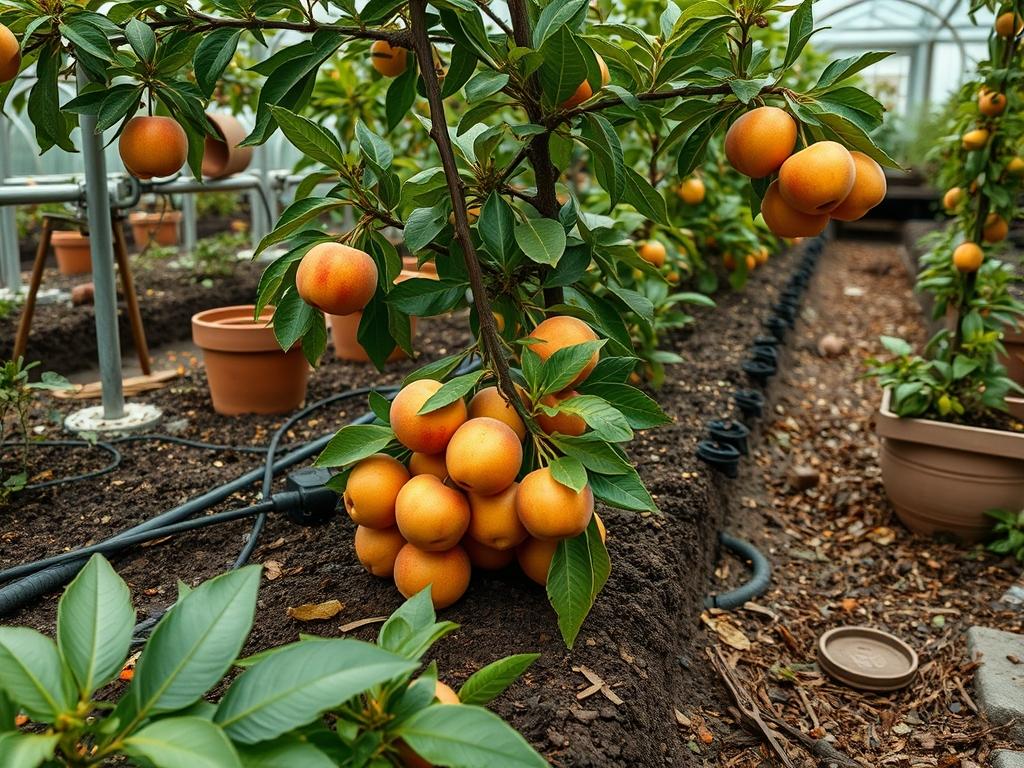
Integrating a productive orchard element into a residential landscape requires a sophisticated balance between aesthetic appeal and horticultural precision. When a homeowner decides to incorporate nectarine trees, they are not merely planting a fruit source; they are introducing a seasonal focal point that demands specific site conditions and maintenance schedules. The primary challenge lies in the dual-purpose nature of the tree. It must serve as an ornamental feature with attractive spring blossoms and lush summer foliage, while simultaneously producing a viable crop that requires easy access for maintenance and harvesting. In temperate climates, where late spring frosts can threaten early blooms, the landscape architect must consider microclimates and air drainage to ensure the success of the investment. A poorly placed tree results in “blind” years with no fruit, which ultimately diminishes the outdoor functionality and the return on the landscaping investment.
Strategic placement also impacts curb appeal. A nectarine tree should not be tucked away in a neglected corner of the yard. Instead, it should be treated as a specimen plant that anchors a corner of a patio or serves as a mid-level layer in a tiered garden bed. Harvesting garden nectarines becomes the culmination of a year-long design cycle, representing the peak of the garden’s performance. To reach this stage, the site must be prepared with a focus on solar exposure and soil structural integrity. Nectarines require full sun to develop the sugars and pigments necessary for that deep, full-color blush. Without at least eight hours of direct sunlight, the fruit remains pale and lacks flavor, rendering the landscape choice less effective from both a visual and functional perspective.
Landscape Design Principles
Successful fruit integration begins with the principle of elevation and air drainage. Because nectarines flower early in the season, they are susceptible to frost pockets. When designing the yard layout, avoid placing nectarine trees at the bottom of a slope or in a walled-in area where cold air can settle and linger. Instead, utilize the higher points of the property or mid-slope positions to allow cold air to flow downward, past the trees, into lower “sacrificial” zones. This technical approach to grading is essential for ensuring that harvesting garden nectarines remains a consistent annual event rather than a rare occurrence.
Visual balance is achieved by using the tree’s unique architecture. Nectarines are often trained into an open-center or vase shape, which creates a wide, airy canopy. This form should be echoed in the surrounding hardscaping. Circular flagstone patios or curved steel edging can mirror the rounded shape of the canopy, providing a sense of geometric symmetry. Furthermore, incorporating wide gravel walkways or paver paths around the drip line of the tree serves two purposes: it prevents soil compaction near the root zone and provides stable footing for the homeowner during the harvest. Elevation layers are also vital. Pair the mid-height nectarine tree with a lower layer of aromatic herbs and a taller backdrop of evergreen privacy hedging to create a professional, multi-dimensional aesthetic.
Plant and Material Selection
| Plant Type | Sun Exposure | Soil Needs | Water Demand | Growth Speed | Maintenance Level |
| :— | :— | :— | :— | :— | :— |
| Fantasia Nectarine | Full Sun | Well-drained Loam | Medium | Fast | High |
| Arctic Jay Nectarine | Full Sun | Sandy Loam | Medium | Moderate | High |
| Snow Queen | Full Sun | Rich Organic | Low to Medium | Moderate | High |
| English Lavender | Full Sun | Well-drained Gravelly | Low | Moderate | Low |
| Rosemary | Full Sun | Sandy/Poor | Low | Fast | Low |
| Creeping Thyme | Full Sun | Versatile | Low | Moderate | Low |
| Fescue Sod | Partial to Full | Thick Topsoil | High | Fast | Medium |
Implementation Strategy
The implementation of a nectarine-focused landscape begins with the structural preparation of the soil. Start by performing a professional soil test to determine the pH levels, as nectarines perform best in slightly acidic to neutral soil ranging from 6.0 to 7.0 pH. If the site consists of heavy clay, the landscaper must install a system of perforated drainage pipes or create raised mounds to ensure the roots do not sit in standing water. Once the grading is finalized, the layout of the irrigation system is paramount. A drip irrigation line is preferred over overhead sprinklers, as keeping the foliage dry reduces the risk of fungal diseases such as peach leaf curl.
When planting, digitize a hole that is twice as wide as the root ball but no deeper. This prevents the tree from settling too low, which can lead to crown rot. Surround the base of the tree with a 3-inch layer of cedar mulch or pine bark, ensuring the material does not touch the trunk itself. This mulch ring serves as a protective barrier against lawnmowers and string trimmers, while also regulating soil temperature and moisture. To define the orchard area, use 4-inch heavy-duty aluminum edging to create a clean transition between the mulch beds and the turf. This adds a level of crispness to the design that enhances the overall property value.
As the tree matures, managing the canopy through thinning is a critical step in the implementation process. In late spring, remove excess fruit so that each nectarine is spaced approximately 6 inches apart. This allows the remaining fruit to reach a larger size and ensures that the branches are not overburdened by weight, which could lead to structural failure of the tree. When harvesting garden nectarines, look for the background color to change from green to a creamy yellow or white, depending on the variety, and ensures that the “full color” covers nearly the entire fruit surface.
Common Landscaping Failures
One of the most frequent mistakes in residential fruit tree placement is root overcrowding and competition. Planting a nectarine too close to a large oak or maple tree will result in poor fruit production, as the larger tree will dominate the water and nutrient resources. Additionally, homeowners often fail to account for the ultimate spread of the canopy, leading to branches overhanging gutters or scraping against siding. Maintaining a minimum distance of 15 feet from any permanent structure is a standard professional recommendation for standard nectarine varieties.
Irrigation inefficiencies also plague many novice landscapes. Over-watering during the late stages of fruit development can lead to fruit splitting or a diluted flavor profile. Conversely, inconsistent watering can cause the tree to drop its fruit prematurely. Soil compaction is another silent killer. When heavy equipment is used during the construction of nearby retaining walls or patios, the soil density increases, preventing oxygen from reaching the root zone. Ensuring that the planting area remains a “no-traffic” zone during construction phases is vital for the long-term health of the orchard specimen.
Seasonal Maintenance
Landscape management for nectarines is a year-round commitment. In the winter, the focus is on structural pruning. Using bypass pruners and loppers, remove any dead, damaged, or crossing branches to maintain the open-vase shape. This allows for maximum light penetration into the center of the tree, which is essential for the development of interior fruiting wood. This is also the time to apply a dormant oil spray to manage overwintering pests such as aphids and scale.
Spring focuses on nutrient management and disease prevention. Apply a balanced 10-10-10 fertilizer just before the buds break. Monitor the weather patterns closely; if a late frost is predicted, the use of frost blankets can save the year’s harvest. In the summer, the emphasis shifts to irrigation and harvest. This is the period for harvesting garden nectarines at their peak. It is important to twist the fruit gently rather than pulling, as the skin is delicate and prone to bruising. Autumn maintenance involves a thorough clean-up of any fallen fruit or leaves to prevent the spread of brown rot. Applying a fresh layer of organic compost in late fall helps to insulate the root system and prepare the tree for the following year’s growth cycle.
Professional Landscaping FAQ
What is the best way to tell if a nectarine is ready?
Look for a change in the fruit’s ground color from green to yellow or white. The fruit should feel slightly soft near the stem and give off a fragrant aroma. Harvesting garden nectarines is best done when the “blush” is vibrant.
How do I prevent my nectarine tree from leaning?
Proper staking with heavy-duty wooden stakes and flexible tree ties during the first two years is essential. Ensure the ties are loose enough to allow the trunk to move slightly, which encourages the development of a strong, stable root system.
Is it necessary to thin the fruit every year?
Yes. Overproduction results in small, flavorless fruit and can cause the branches to snap under the weight. Thinning to one fruit every 6 inches ensures high-quality nectarines and protects the structural integrity of your professional landscape design.
Which mulch is best for fruit-bearing trees?
An organic, coarse-textured mulch such as arborist wood chips or pine bark is ideal. These materials improve soil structure as they decompose, retain moisture effectively, and do not significantly alter the soil pH, provided they are kept away from the trunk.
Can I grow nectarines in a small urban yard?
Absolutely. Select a dwarf variety or a columnar nectarine that can be grown in a large terracotta planter or a confined raised bed. These smaller cultivars offer the same aesthetic benefits and fruit quality while fitting into a compact, modern landscape.