
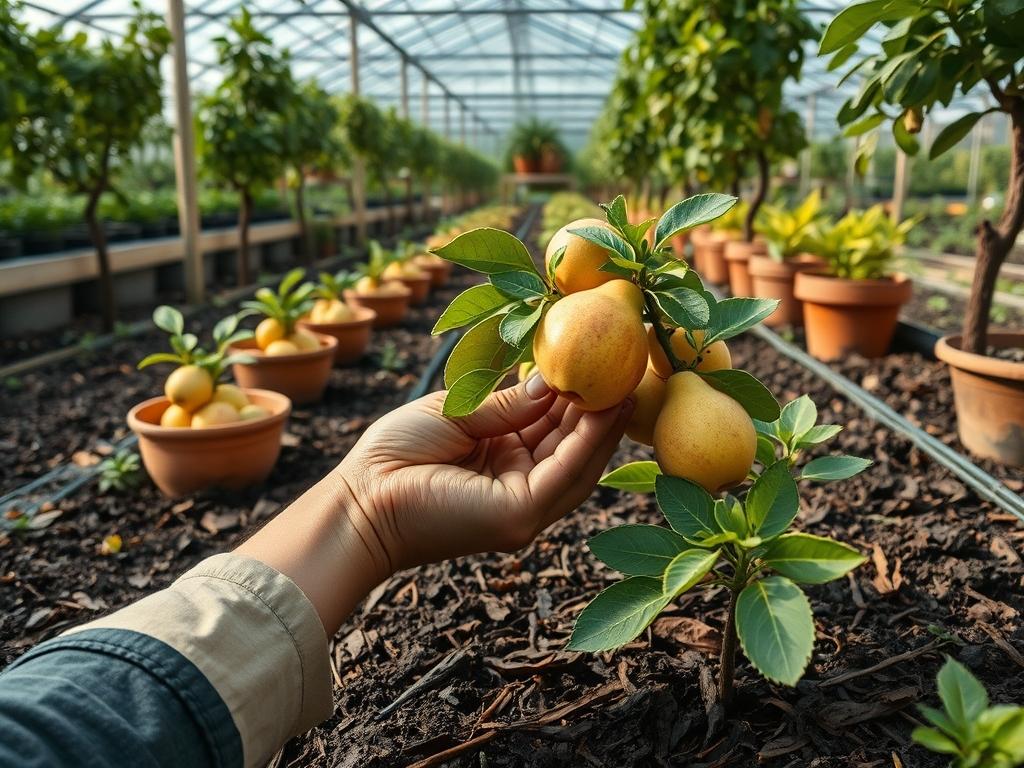
Integrating the Cydonia oblonga, or the common quince, into a modern landscape requires a nuanced understanding of both botanical aesthetics and the practical realities of the harvest. As a landscape architect, I often encounter clients who are drawn to the tree for its gnarled, sculptural bark and its stunning pale pink spring blossoms, yet they are frequently surprised by the utility of the fruit itself. Picking fresh quince is a rewarding experience that marks the transition from the vibrant heat of late summer to the crisp clarity of autumn. However, the fruit is not a snack to be enjoyed straight from the limb. Its high tannin content and dense, woody cellular structure mean that it is nearly inedible when raw. This botanical characteristic dictates the kitchen requirement for long cooking times, but in the garden, it dictates how we site the tree to ensure its fruit reaches peak maturity.
The primary landscaping challenge with quince is balancing its ornamental value with its need for a long, warm growing season. To ensure the fruit ripens enough to develop its signature aromatic oils, the tree must be placed in a microclimate that maximizes sun exposure while providing protection from early frosts. From a curb appeal perspective, a well maintained quince tree serves as a sophisticated focal point, offering a sense of history and permanence that many modern cultivars lack. It creates a bridge between the formal structured garden and the more relaxed, productive landscape of a home orchard. When we plan these spaces, we consider the outdoor functionality of the site, ensuring that the heavy, golden fruit will not drop onto high traffic walkways or patios where it might create a slip hazard or attract unwanted pests.
Landscape Design Principles
Successful garden design relies on a structured hierarchy of elements, and the quince tree is a perfect candidate for a primary focal point. Because it has a naturally sprawling and somewhat erratic growth habit, we use symmetry in the surrounding elements to ground the tree within the larger design. Placing a quince at the end of a long vista or centering it within a circular bed of boxwood or lavender creates a sense of intentionality. This visual balance is further enhanced by elevation layers; we often plan the surrounding plantings in tiers. Low growing groundcovers like creeping thyme provide a verdant base, while mid size perennials like salvia or echinacea offer color that complements the golden hue of the ripening fruit in the fall.
Irrigation planning is perhaps the most critical technical aspect of the design principles for this species. Quince trees require consistent moisture to prevent fruit splitting, yet they are susceptible to root rot if the soil becomes anaerobic. We design systems utilizing pressure-compensating emitters that deliver water directly to the root zone, avoiding the foliage to minimize the risk of fungal diseases like leaf blight. Furthermore, the layout must include clear, stable walkways. Because picking fresh quince requires heavy lifting during the harvest, the path to the tree should be composed of stable materials like compacted decomposed granite or natural flagstone set in a mortar bed. These paths ensure the gardener can navigate the space safely while carrying baskets of the dense, heavy fruit.
Plant and Material Selection
| Plant Type | Sun Exposure | Soil Needs | Water Demand | Growth Speed | Maintenance Level |
| :— | :— | :— | :— | :— | :— |
| Common Quince | Full Sun | Deep, loamy, pH 6.0-7.0 | Moderate to High | Moderate | Medium |
| English Boxwood | Full to Part Sun | Well-drained, neutral | Moderate | Slow | High (Pruning) |
| French Lavender | Full Sun | Gritty, alkaline | Low | Fast | Low |
| Creeping Thyme | Full Sun | Well-drained, poor soil | Low | Medium | Low |
| Japanese Forest Grass | Part Shade | Moist, humus-rich | Moderate | Slow | Medium |
We select materials that echo the rustic yet refined nature of the tree. For hardscaping, retaining walls built from weathered fieldstone provide the necessary structural support for tiered gardens while reflecting the earthy tones of the quince bark. For mulching, we prefer shredded cedar mulch or pine bark nuggets applied at a 3-inch depth. This organic material suppresses weeds and regulates soil temperature, which is vital for the slow ripening process that makes the fruit so prized for preserves and slow roasted desserts.
Implementation Strategy
The transition from a design on paper to a physical landscape begins with grading. Proper site preparation ensures that water moves away from the foundation of the home while settling in the planting zones where it is needed most. We utilize a transit level to establish precise elevations. If the site is flat, we may create a slight mound or berm to improve drainage for the fruit trees. Edging is then installed to define the beds; we typically use 14-gauge steel edging for its crisp line and durability.
Once the skeleton of the garden is in place, we focus on soil amendment. Quince trees are heavy feeders and benefit from a mixture of aged compost and expanded shale to improve porosity. When planting, we ensure the root flare is slightly above the finished grade to prevent trunk rot. The placement of hardscaping elements, such as stone benches or arbors, follows the planting. These features should be located within sight of the tree to encourage the homeowner to spend time observing the seasonal changes, from the first bud break to the final harvest of the golden pomes. The implementation concludes with the installation of the drainage system, often involving a French drain hidden beneath a layer of river rock to manage heavy seasonal rains.
Common Landscaping Failures
The most frequent mistake in managing a landscape featuring quince is improper spacing. Designers often underestimate the mature spread of the tree, leading to root overcrowding and poor air circulation. When trees are packed too tightly against walls or other structures, they become centers for powdery mildew. We recommend a minimum spacing of 15 to 20 feet from other large canopy trees. Another common failure is the use of high-nitrogen fertilizers late in the season. This encourages soft, succulent growth that is highly attractive to aphids and fire blight bacteria, and it can delay the hardening off process necessary for winter survival.
Irrigation inefficiencies also plague many residential gardens. Over-watering in heavy clay soils leads to soil compaction and “wet feet,” which can kill a mature quince tree in a single season. Conversely, underwatering during the fruit swelling stage in late summer will result in small, shrunken fruit that lacks the aromatic complexity required for high-end culinary use. Finally, many gardeners fail to establish a proper mulch ring. Turf grass should never be allowed to grow right up to the trunk of the tree, as the competition for nutrients is fierce, and lawnmowers or string trimmers can easily damage the sensitive bark.
Seasonal Maintenance
Landscape management is a year round commitment that changes with the sun’s path. In the spring, the focus is on dormant pruning and the application of a balanced 10-10-10 fertilizer before new growth begins. We thin the interior branches to allow light to reach the center of the canopy, which is essential for fruit development. As summer arrives, the priority shifts to pest monitoring and consistent irrigation. This is the time to check for borers and ensure the drip irrigation system is functioning at peak efficiency.
Autumn is the most active season, as picking fresh quince becomes the primary task. The fruit should be harvested when it turns from a pale green to a vibrant, solid yellow and its spicy fragrance becomes noticeable. Since the fruit is easily bruised, it must be handled with care, even if it feels as hard as a rock. In winter, the landscape is prepared for dormancy. We apply a fresh layer of compost and check the integrity of any retaining walls or walkways that may have shifted during the growing season. Protecting the trunk with a tree wrap can also prevent sunscald on young trees during the coldest months.
Professional Landscaping FAQ
How does picking fresh quince relate to soil pH?
Soil acidity affects nutrient uptake and fruit flavor. While the fruit always requires long cooking times due to its structure, a balanced pH between 6.0 and 7.0 ensures the tree has the mineral resources to develop its complex aromatic compounds.
Can quince trees be used in small urban landscapes?
Yes, but they require regular structural pruning. In smaller spaces, we often use Chaenomeles, the flowering quince, which is more shrub-like. However, the true Cydonia oblonga can be espaliered against a sunny wall to save space and increase curb appeal.
What is the best mulch for a fruit-producing landscape?
We recommend organic cedar mulch or high-quality leaf mold. These materials break down slowly, adding organic matter back into the soil while maintaining a consistent moisture level, which is critical for the slow ripening process of the fruit.
Is drainage more important than sun exposure for quince?
Both are vital, but poor drainage is an immediate killer. A quince tree can survive in partial shade, though it won’t fruit well. In contrast, even the best sun cannot save a tree from root rot caused by standing water.
How do I protect my walkways from fallen fruit?
Plan your planting beds with at least a 5-foot offset from the path’s edge. This prevents heavy, falling quinces from creating debris on the stone or pavers. Regular harvesting in late autumn also eliminates this issue before it begins.