
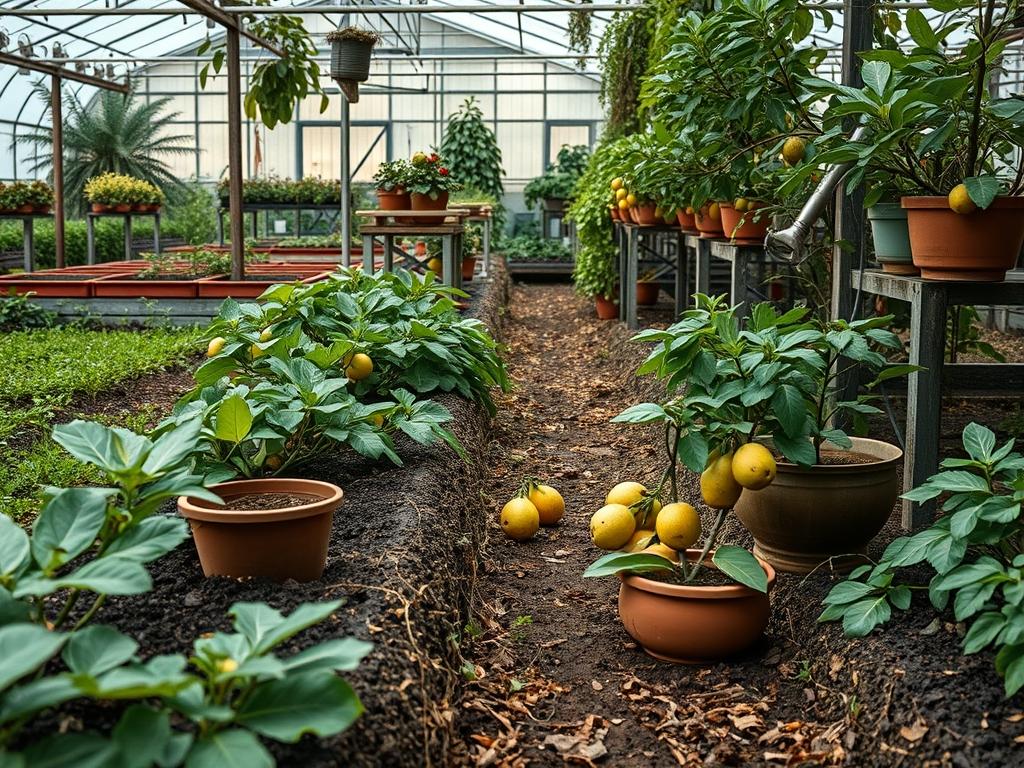
The integration of fruit-bearing species into a modern landscape requires a delicate balance between ornamental aesthetics and functional yield. When architects look for a specimen tree that offers multi-seasonal interest, structural intrigue, and a unique harvest, the medlar tree, known botanically as Mespilus germanica, often rises to the top of the list. This ancient pome fruit provides a distinctive architectural quality with its weeping, twisted habit and large, white-to-pink blossoms that emerge in late spring. From a landscape design perspective, the medlar serves as an exceptional focal point in residential gardens, particularly those striving for a Mediterranean or English cottage aesthetic. However, the true complexity of this species lies in its unconventional ripening cycle. Harvesting garden medlars is an exercise in patience and precision, as the fruit remains unpalatably hard and acidic while on the branch. To transform these rock-hard fruits into the sweet, custard-like delicacy prized by gourmands, a specific post-harvest process known as bletting must be employed. This process involves a controlled state of partial decay that breaks down complex starches and tannins, making the fruit a late-season highlight that extends the garden’s productivity well into the winter months.
Landscape Design Principles
Effective landscape design using medlars requires an understanding of symmetry and focal points. Because Mespilus germanica possesses a naturally tortuous branching structure, it should be positioned where its winter silhouette can be appreciated against a neutral backdrop, such as a light-colored retaining wall or a dark evergreen hedge. The tree typically reaches a height and spread of 15 to 20 feet, making it ideal for small to medium-sized urban lots where space is at a premium but visual impact is required. Designers often use it as a mid-story element to bridge the vertical gap between low-lying perennials and taller canopy trees.
Visual balance is achieved by surrounding the base of the medlar with textures that complement its large, leathery leaves. For example, pairing the tree with fine-textured ornamental grasses or silver-foliaged groundcovers creates a sophisticated contrast. Irrigation planning is critical here; while medlars are relatively hardy, they require consistent moisture to ensure high fruit quality. Walkways should be designed to allow easy access for harvesting garden medlars, but they should be set back at least 5 feet from the trunk to avoid soil compaction around the sensitive root flare. Elevation layers should be considered as well. Planting the medlar on a slight mound or a terraced level can improve drainage, which is essential for preventing root rot in heavier clay soils.
Plant and Material Selection
| Plant Type | Sun Exposure | Soil Needs | Water Demand | Growth Speed | Maintenance Level |
| :— | :— | :— | :— | :— | :— |
| Medlar (Mespilus germanica) | Full Sun to Partial Shade | Well-drained, Loamy | Moderate | Slow to Medium | Moderate |
| Serviceberry (Amelanchier) | Full Sun / Part Shade | Moist, Acidic | High | Medium | Low |
| Rhubarb (Rheum rhabarbarum) | Full Sun | Rich, Organic | Moderate | Fast | Medium |
| Creeping Thyme | Full Sun | Gritty, Poor Soil | Low | Medium | Low |
| Shredded Cedar Mulch | N/A | Weed Suppression | Preserves Moisture | N/A | Annual Refresh |
| Pea Gravel | N/A | Drainage Layer | N/A | N/A | Low |
Implementation Strategy
The successful installation of a medlar-focused landscape begins with site preparation and grading. Start by ensuring the grade slopes away from any permanent structures at a rate of at least 2 percent to facilitate proper drainage. Use a laser level or a simple string line to verify these slopes before any planting begins. When digging the planting hole for a 5-gallon or 10-gallon medlar specimen, the width of the hole should be twice the diameter of the root ball, but the depth should be no deeper than the root flare. This ensures the tree does not settle too deep, which can lead to trunk decay.
Once the tree is in place, install a high-quality edging material, such as galvanized steel or tumbled stone, to define the garden bed and prevent turf encroachment. Apply a 3-inch layer of organic mulch, keeping it a few inches away from the trunk to prevent moisture buildup against the bark. For hardscaping, consider a permeable paver system for nearby walkways. This allows rainwater to penetrate the soil and reach the tree’s root system rather than running off into the storm drain. After the initial installation, the focus shifts to the specialized task of harvesting garden medlars. The fruits should stay on the tree as long as possible, usually until the first or second hard frost of autumn. This cold snap triggers the chemical changes necessary for bletting. Use bypass pruners to clip the fruit with a small portion of the stem attached, taking care not to bruise the skin, as physical damage can lead to mold rather than proper bletting.
Common Landscaping Failures
One of the most frequent errors in landscaping with fruit trees is improper drainage management. Medlars are susceptible to “wet feet,” where standing water suffocates the root system. If the site has heavy clay, failing to incorporate soil amendments or a French drain can result in stunted growth or fungal infections. Another common mistake is root overcrowding. Designers often plant too many companions too close to the trunk, leading to competition for nitrogen and moisture. Always respect the mature spread of the tree.
Improper spacing and failing to account for airflow can also invite powdery mildew. If the canopy is too dense, light cannot reach the interior branches, reducing the quality of the fruit. In terms of the harvest, many gardeners fail by picking the fruit too early in the autumn before the tannins have begun to mellow. This results in a fruit that refuses to blet properly. Finally, soil compaction caused by heavy foot traffic or construction equipment near the dripline can prevent the tree from absorbing the essential nutrients required for the late-season fruit swell.
Seasonal Maintenance
Late winter is the primary window for structural pruning. Use loppers and hand shears to remove any dead, damaged, or crossing branches. The goal is to maintain an open center that allows sunlight to penetrate the canopy. As spring arrives, apply a balanced, slow-release fertilizer around the dripline to support the upcoming bloom cycle. Monitor for pests as the leaves emerge, although medlars are generally more resistant than many other members of the Rose family.
Throughout the summer, irrigation is the top priority. Use a soaker hose or drip irrigation system to provide deep watering once or twice a week, depending on rainfall. This prevents fruit drop during heatwaves. In autumn, the focus turns to harvesting garden medlars. Once the leaves turn a vibrant russet and the first frost has blackened the foliage, begin the harvest. Place the fruits in a single layer in wooden crates filled with sawdust or straw, ensuring they do not touch. Store them in a cool, dark, well-ventilated space like a cellar or garage for two to three weeks. During this time, they will soften and turn dark brown. This is the bletting process. In winter, after the harvest is complete, apply a fresh layer of mulch to insulate the roots and protect the tree from freeze-thaw cycles.
Professional Landscaping FAQ
How do I know when to begin harvesting garden medlars?
Wait until the fruits have experienced at least one hard frost. They should be dark brownish-green and very firm. If they pull away from the branch with a gentle tug and a clip of the pruners, they are ready.
What is the best soil pH for a medlar landscape?
Medlars prefer a slightly acidic to neutral soil, ideally between 6.0 and 7.0 pH. If your soil is too alkaline, incorporate elemental sulfur or peat moss to lower the levels before planting your specimen.
Can medlars be grown in large containers for patio landscaping?
Yes, medlars can thrive in large terracotta or stone planters, provided they are at least 20 inches in diameter. Use a high-quality potting mix and ensure consistent watering, as container-grown trees dry out faster than those in the ground.
How much sun does a medlar need for optimal fruit production?
For the best harvest and most vibrant fall color, plant your medlar in full sun, meaning at least six to eight hours of direct sunlight daily. They can tolerate partial shade but will produce fewer fruits.
Do I need two trees for cross-pollination?
No, most medlar varieties are self-fertile. You can achieve a successful harvest with a single specimen tree, making it an excellent choice for smaller landscapes or as a lone focal point in a backyard design.