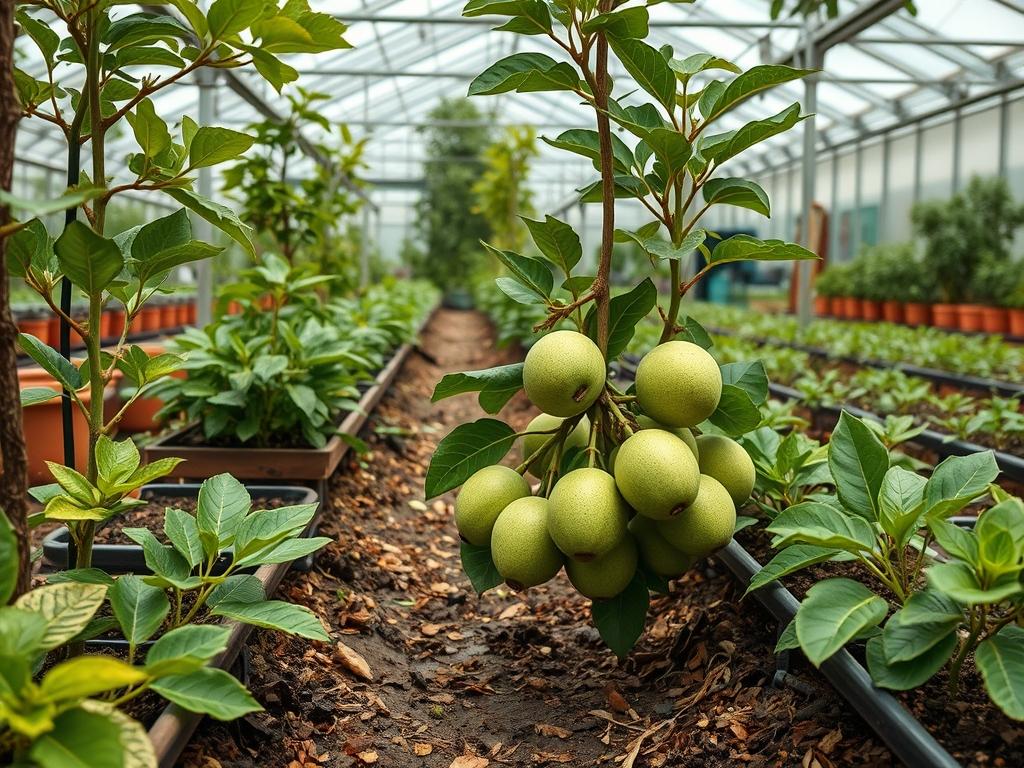
Integrating a productive guava tree into a tropical landscape requires a careful balance between aesthetic form and functional accessibility. While many homeowners view fruit trees as mere food sources, a professional landscape architect sees them as structural elements that define the character and canopy density of the outdoor environment. The Psidium guajava, known for its beautiful exfoliating bark and sturdy evergreen leaves, serves as a magnificent focal point when positioned correctly. However, a common challenge involves managing fruit production so that the landscape remains clean and the harvest is easily accessible for making high quality preserves. When picking fresh guavas for tropical preserves, the architectural layout of the garden dictates the ease of harvest. A well-designed garden ensures that branches are within reach and that the surrounding terrain is stable enough to support ladders or harvesting tools without damaging secondary plantings.
Climate considerations are the primary driver for site selection in tropical and subtropical zones. Guava trees thrive in heat but require protection from salt spray if the property is located near the coast. From a curb appeal perspective, the tree offers a Mediterranean or Caribbean aesthetic that can be enhanced through proper lighting and underplanting. Functional goals must include managing the fruit drop; otherwise, the sweet aroma can attract unwanted pests, and the fallen fruit can stain expensive stone pavers or masonry. By designing a dedicated harvest zone with specific ground covers, you create a garden that is both beautiful and highly productive for the home chef.
Landscape Design Principles
Successful guava integration starts with symmetry and visual balance. In a formal tropical garden, you might place a pair of guava trees to flank a formal walkway or a set of stairs leading to a higher elevation. This creates a sense of arrival and frames the view. If the garden follows a more naturalistic or xeriscape approach, the guava should be situated as a mid-story focal point. This means placing it behind lower shrubs like Ixora or Croton but in front of taller palms like the Roystonea regia. By layering the elevation, you create a dense green wall that provides privacy while keeping the guava at an accessible height for picking.
Irrigation planning is perhaps the most technical aspect of the design principle. Guava trees are drought tolerant once established, but for fruit that is juicy enough for preserves, consistent moisture is mandatory. I recommend a dedicated drip irrigation zone for the trees, separate from the lawn or succulents. This allows the architect to increase watering frequency during the flowering and fruiting stages without overwatering the rest of the landscape. Furthermore, the walkways leading to the tree should be constructed from stable, non-slip materials like brushed concrete or textured flagstone. This ensures safety during the rainy season when guavas often reach peak ripeness and the ground becomes slick.
Visual balance also involves managing the “weight” of the tree. A guava tree laden with fruit can look heavy and drooping. To counter this, use fine-textured ornamental grasses at the base to provide a light, airy contrast. This design strategy draws the eye upward to the fruit while grounding the specimen within the overall site plan.
Plant and Material Selection
Selecting the right cultivar and supporting materials is the foundation of a low-maintenance, high-yield tropical garden.
| Plant Type | Sun Exposure | Soil Needs | Water Demand | Growth Speed | Maintenance Level |
| :— | :— | :— | :— | :— | :— |
| Ruby Supreme Guava | Full Sun | Well-drained loam | Moderate to High | Fast | Moderate |
| White Indonesian Guava | Full Sun | Sandy to Loam | Moderate | Fast | Moderate |
| Mexican Cream Guava | Full Sun | Rich Organic | High | Medium | High |
| Pineapple Guava (Feijoa) | Full to Partial Sun | Adaptive/Neutral | Low to Moderate | Slow | Low |
| Organic Cedar Mulch | N/A | N/A | Retains Water | N/A | Replace annually |
| Basaltic Rock Edging | N/A | N/A | N/A | N/A | Very Low |
Implementation Strategy
The implementation phase begins with professional grading. Tropical regions are prone to heavy downpours, and standing water is the enemy of the guava root system. The site must be graded to allow a 2 percent slope away from the trunk. During the layout phase, mark a radius of at least 10 feet around the planting site to ensure no permanent hardscaping like retaining walls or pool decks will be uplifted by the expanding root plate. Once the hole is excavated to twice the width of the root ball, incorporate high-quality compost to jumpstart microbial activity.
Edging is the next critical step. Use steel edging or poured concrete curbs to define the “fruit drop zone.” This prevents mulch from washing away during storms and keeps the lawn grass from encroaching on the tree’s nutrient supply. For the harvest area, apply a 3 inch Layer of organic mulch. This mulch serves a dual purpose; it retains soil moisture and provides a soft landing spot for fruit that falls prematurely, preventing bruising when you are collecting for preserves.
Access is the final piece of the implementation strategy. I often design a “stepper path” using individual 24 inch pavers that lead directly into the canopy. This allows the gardener to reach deep into the branches to pick the perfectly ripe, aromatic fruit without compacting the soil around the delicate feeder roots. Compaction is a silent killer in many tropical gardens, as it prevents oxygen from reaching the root zone, leading to small, flavorless fruit that is unsuitable for culinary use.
Common Landscaping Failures
The most frequent mistake I see in tropical fruit landscapes is improper spacing. Homeowners often underestimate the spread of a mature guava tree, which can easily reach 15 to 20 feet in diameter. When trees are planted too close to fences or other structures, airflow is restricted. This creates a humid microclimate that encourages fungal growth and scale insects, which can ruin a harvest before it begins. Always follow the spacing recommendations provided by the landscape architect, even if the young sapling looks isolated at first.
Another failure is the misuse of irrigation. Sprinklers that hit the trunk directly can lead to crown rot. Irrigation should always be directed at the drip line, which is the outermost edge of the leaf canopy. Additionally, failing to account for the weight of the fruit is a major structural error. If a tree is not pruned for “vase-shaped” structural integrity, heavy fruit loads after a rainstorm can cause major limbs to snap. This not only destroys the aesthetic of the tree but also creates an entry point for disease.
Finally, soil compaction from heavy foot traffic during the picking season is widely overlooked. If the area under the tree is just bare dirt or grass, the repeated treading of feet will squeeze the pore space out of the soil. This results in stunted growth and fruit that lacks the pectin levels required for preserves. Utilizing a proper “harvest path” as previously mentioned is the professional solution to this common landscape failure.
Seasonal Maintenance
Spring is the time for structural pruning and fertilization. Use bypass pruners to remove any dead or crossing branches. This is the moment to open up the center of the tree to allow sunlight to reach the inner fruit. Apply a balanced tropical fruit fertilizer with an NPK ratio like 8-3-9 to encourage strong flowering and fruit set.
Summer represents the peak of the growing season. Management focus shifts to irrigation and monitoring for pests like fruit flies. If the weather is particularly dry, increase the watering depth but decrease the frequency to encourage deep rooting. Ensure the mulch layer is still at least 3 inches thick to protect the soil from the intense tropical sun.
Autumn is the primary harvest season for many guava varieties. This is when the picking strategies become paramount. Check the fruit daily; guavas for preserves should be picked when they turn from dark green to a light yellowish-green and give off a potent, sweet aroma. At this stage, they contain the highest pectin levels. Clear away any overripe fruit from the ground immediately to prevent the buildup of fungal spores in the soil.
Winter is the dormant or slow-growth period. In tropical climates, the tree may not drop its leaves, but it still requires a rest. Scale back the irrigation significantly. This is also the best time to inspect the hardscaping around the tree for any cracks caused by root expansion and to perform any necessary repairs to retaining walls or garden edging.
Professional Landscaping FAQ
How far should guavas be from the house?
Maintain a minimum distance of 15 feet from the foundation. This prevents root interference with plumbing and ensures the canopy has room to expand without rubbing against the roofline or gutters, which can cause structural damage over time.
What is the best mulch for guava trees?
Use a high-quality arborist wood chip or cedar mulch. Organic mulches break down over time, improving soil structure and adding vital nutrients that enhance the flavor and sugar content of the fruit, which is essential for preserving.
Can I grow guava in a large planter?
Yes, though you must use a container of at least 25 gallons. Ensure the planter has excellent drainage and use a high-quality potting mix. Be aware that container-grown trees require more frequent watering and specialized liquid fertilization.
How do I prevent fruit drop staining?
Avoid placing light-colored natural stone or porous concrete directly under the canopy. Instead, use a wide ring of mulch or dark, non-porous pavers that can be easily pressure washed. Regular harvesting also prevents most fruit from hitting the ground.
Which guava is best for a small garden?
The Tikal Guava or various dwarf cultivars are excellent for limited spaces. These varieties can be kept pruned to a height of 6 to 8 feet, making them highly manageable while still providing a professional grade harvest for preserves.