
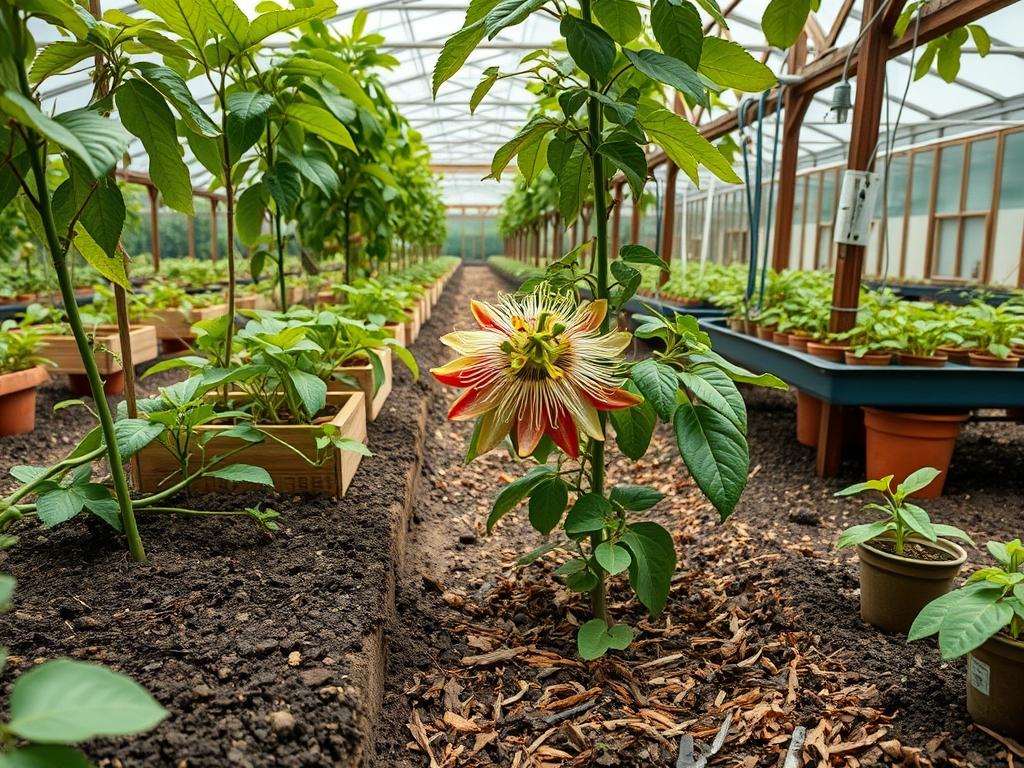
Integrating a productive edible vine like the passion fruit into a professional landscape design requires a sophisticated balance between structural aesthetics and horticultural functionality. Many homeowners view the passion fruit vine, particularly Passiflora edulis, as a mere source of food, yet its role in a high end outdoor environment is far more significant. It serves as a dense, evergreen screen capable of providing privacy, cooling shade, and a lush backdrop for lower level ornamental plantings. Achieving the ultimate goal of Harvesting Garden Passion Fruit necessitates a design that accounts for the heavy weight of the fruit, the aggressive growth habits of the vine, and the specific microclimate requirements of the plant. A well planned landscape does not just grow a plant; it creates an ecosystem where the vine thrives and the fruit is easily accessible without detracting from the overall curb appeal of the property.
Efficiency in a garden layout is often the difference between a high maintenance burden and a self sustaining retreat. When planning for passion fruit, the landscape architect must consider the vertical dimension. These vines are climbers by nature, using tendrils to latch onto any available surface. Without a dedicated support system, the vine will quickly overwhelm nearby shrubs or trees, leading to a cluttered and disorganized appearance. By incorporating architectural elements such as custom cedar pergolas or powder coated steel cables, we can direct the growth to create a living wall. This verticality provides a focal point in the garden while maximizing the footprint of the landscape. Furthermore, the placement must allow for the “drop” harvest method. Unlike many fruits that are picked by hand, the highest quality passion fruit is often harvested after it naturally detaches and falls to the ground. Therefore, the ground cover beneath the vines must be designed for easy retrieval, utilizing materials like double shredded hardwood mulch or even a clean decomposed granite path.
Landscape Design Principles
Successful integration of fruit bearing vines starts with the principle of vertical layering. In a professional layout, the passion fruit vine acts as the “ceiling” or “wall” layer. This allows for lower layers, such as low water succulents or ornamental grasses, to occupy the ground plane without competing for sunlight. Symmetry is often used in formal designs where two vines are planted at the base of an entry archway, creating a balanced and welcoming transition between garden rooms. For more contemporary, asymmetrical designs, a single vine might be allowed to sprawl across a horizontal stainless steel wire trellis system mounted against a south facing masonry wall. This utilizes the thermal mass of the wall to keep the plant warm during cooler nights, which is essential for consistent fruit production.
Irrigation planning is another critical design pillar. Passive water harvesting, such as grading the landscape to direct rain runoff toward a bioswale near the vine roots, can significantly reduce the need for supplemental watering. However, for a professional installation, a dedicated drip irrigation system with 2.0 gallon per hour emitters is the standard. This ensures that the water reaches the deep root zone without wetting the foliage, which can lead to fungal issues in humid climates. The placement of walkways should also be calculated carefully. A 24 inch wide clearance around the base of the trellis allows the gardener to inspect the vine for pests and easily perform the tasks associated with Harvesting Garden Passion Fruit without trampling the surrounding ornamental beds.
Plant and Material Selection
Choosing the right materials and companion plants is vital for a cohesive aesthetic. The following table outlines the requirements for the vine itself and the structural components necessary for its support.
| Plant or Material Type | Sun Exposure | Soil Needs | Water Demand | Growth Speed | Maintenance Level |
| :— | :— | :— | :— | :— | :— |
| Passiflora edulis | Full Sun | Loomy, Well-Drained | High during fruiting | Rapid | Moderate |
| Cedar 4×4 Posts | N/A | Pressure Treated Base | N/A | Long-lasting | Low |
| Native Grasses | Full/Partial | Low Nutrient | Low | Medium | Low |
| Hardwood Mulch | N/A | Organic Matter | Retains Moisture | N/A | Annual Refill |
| Steel Cable Trellis| N/A | Anchored in Masonry | N/A | Permanent | Very Low |
| Organic Compost | N/A | High Nitrogen | N/A | N/A | Seasonal |
Implementation Strategy
The implementation of a passion fruit landscape begins with site preparation and grading. To prevent water from pooling at the base of the vine, the land should be graded at a 2 percent slope away from the main support structures. Once the grade is established, the installation of the hardscape elements takes priority. If using a pergola, the footings should be set in concrete to a depth of at least 24 inches to withstand the wind load of a fully leafed vine. After the structure is secure, the soil must be amended. Passion fruit vines are heavy feeders, so incorporating 4 inches of aged leaf mold or mushroom compost into the top 12 inches of soil is professional best practice.
Planting should occur in the spring after the danger of frost has passed. When placing the Passiflora edulis at the base of the trellis, ensure the root ball is level with the surrounding soil. Deep planting can lead to crown rot. Once the vine is in the ground, apply a 3 inch layer of organic mulch, keeping it at least 6 inches away from the main stem to prevent fungal infections. As the vine grows, manually guide the primary shoots onto the trellis using soft garden twine or rubber coated wire. This initial training phase is crucial for establishing the structural framework of the vine, ensuring that when the time comes for Harvesting Garden Passion Fruit, the fruit is distributed evenly across the canopy rather than bunched in an inaccessible tangle of stems.
Common Landscaping Failures
One of the most frequent mistakes in passion fruit landscaping is the use of inadequate support structures. A mature vine laden with fruit can weigh several hundred pounds, especially after a heavy rain. Flimsy plastic netting or light wood lattice will often collapse under this weight, destroying years of growth. Another common failure is poor drainage. Because these vines require significant water to produce juicy fruit, many hobbyists overcompensate and create a “bathtub effect” in heavy clay soils. This lack of oxygen at the root level causes the leaves to yellow and drop, often just as the fruit is beginning to ripen.
Improper spacing is also a major concern. Planting vines too close to other large trees or structures can lead to root overcrowding and competition for nutrients. A minimum distance of 10 feet from other major root systems is recommended. Furthermore, neglecting the “airflow” aspect of the design can be fatal. In dense plantings, the interior of the vine becomes a stagnant zone for humidity, inviting spider mites and fungal leaf spot. A professional architect solves this by ensuring the trellis design allows for air to circulate through the foliage, which also aids in the pollination of flowers by bees and butterflies.
Seasonal Maintenance
Maintenance is dictated by the life cycle of the vine. In the Spring, the focus is on growth and nutrition. Apply a 10-10-10 balanced fertilizer to stimulate new wood, which is where the flowers will eventually form. Check the irrigation lines for clogs and adjust the timer for increasing temperatures. As Summer arrives, the priority shifts to water management. The vine should never be allowed to wilt, as this can cause the developing fruit to shrivel and drop prematurely. This is also the time to prune back overly aggressive water sprouts that are not contributing to the main structural framework.
The Autumn season is the primary window for Harvesting Garden Passion Fruit. The fruit will turn from a bright green to a deep purple or crinkled yellow, depending on the variety. The professional method is to allow the fruit to drop naturally onto the clean mulch bed, as this indicates peak sugar content. Collect the fruit daily to prevent damage from ground insects. Finally, in Winter, the vine enters a semi dormant state. This is the time for heavy pruning. Remove any dead or diseased wood and thin out the canopy to about one third of its size. This drastic reduction might seem harsh, but it is necessary to encourage vigorous new growth and a heavy fruit set for the following year.
Professional Landscaping FAQ
How do I know when the fruit is ready to harvest?
The most reliable indicator is when the fruit falls from the vine naturally. The skin will often appear slightly wrinkled or deeply colored. Avoid picking fruit directly from the vine unless it detaches with the slightest touch.
What is the best ground cover for a harvesting zone?
A thick layer of pine bark nuggets or wood chips is ideal. These materials provide a soft landing for falling fruit, keeping it clean and preventing bruising while also suppressing weeds and retaining soil moisture for the vine roots.
Can I grow passion fruit in a small urban courtyard?
Yes, provided you use a vertical trellis or a wall mounted wire system. By training the vine upward, you can enjoy the benefits of a lush screen and fruit production while only occupying a 12 inch wide strip of soil.
How often should I fertilize my passion fruit vines?
In a professional landscape, fertilization should occur four times a year: early spring, mid summer, late summer, and early autumn. Use an organic granular fertilizer high in potassium to support both the vine health and the fruit quality.
What should I do if my vine is not producing fruit?
Lack of fruit is usually due to poor pollination or nitrogen imbalance. Ensure you have flowering plants nearby to attract bees, and avoid high nitrogen fertilizers once the vine has reached its desired size, as this promotes leaves over flowers.