
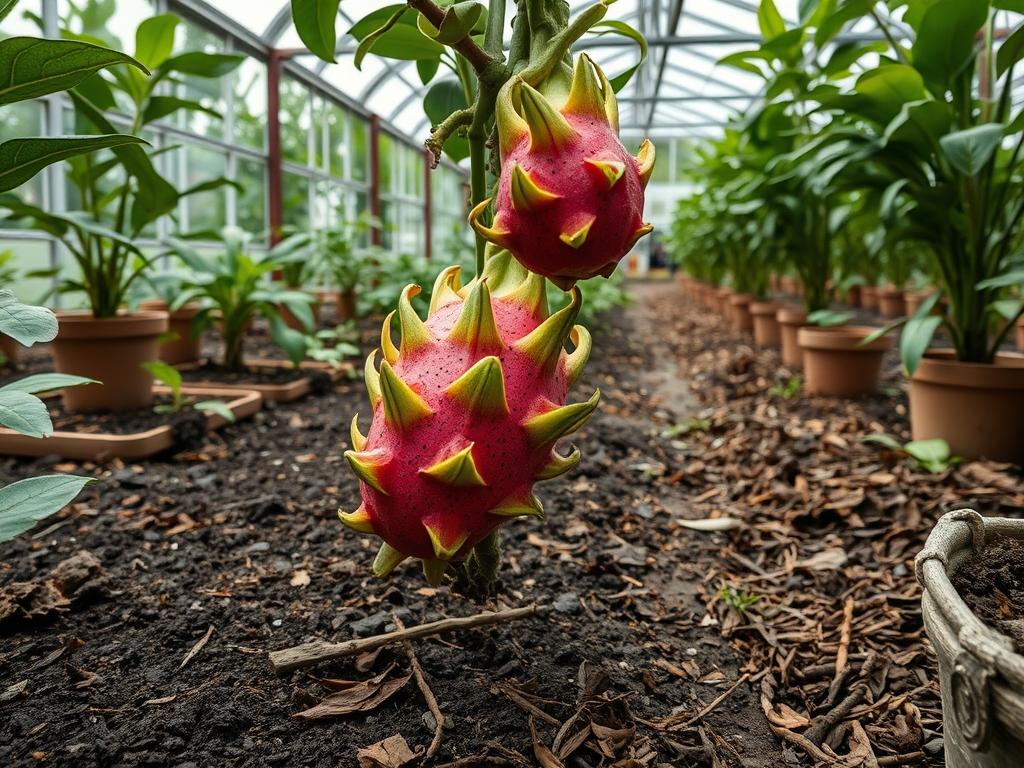
Integrating the exotic silhouette of the dragon fruit cactus into a professional landscape design presents a unique opportunity to blend structural geometry with agricultural utility. As a landscape architect, I view the Hylocereus genus not merely as a source of fruit but as a sculptural element that provides vertical interest, vibrant nighttime blooms, and a striking color palette. However, the success of incorporating these climbing cacti depends entirely on understanding their lifecycle, specifically the transition from flowering to harvest. Picking fresh dragon fruit is the final stage of a multi-month landscape management plan; it is the moment where the aesthetic value of the garden translates into a tangible reward. Whether you are designing a modern xeriscape or a lush tropical backyard, the timing of the harvest is critical to maintaining both the health of the plant and the visual integrity of the outdoor space.
The primary landscape challenge with dragon fruit is its heavy, weeping growth habit. These plants are epiphytic, meaning they naturally climb trees or rocks using aerial roots. In a curated environment, this means we must plan for robust support structures that can handle the significant weight of a mature, fruit-laden cactus. From a curb appeal perspective, a dragon fruit trellis acts as a focal point, especially during the summer and autumn months when the neon-pink or sun-yellow fruits emerge against the deep green of the fleshy stems. Identifying the exact moment of ripeness is a skill that preserves the plant’s energy and ensures the fruit does not over-mature on the branch, which can attract pests and negatively impact the overall garden hygiene.
Landscape Design Principles
In professional garden planning, symmetry and focal points serve as the foundation for a cohesive outdoor environment. When placing dragon fruit within a design, we often use the umbrella trellis method to create a sense of elevation and architectural layers. By training the cactus up a central 4×4 pressure-treated timber or a heavy-duty concrete post to a height of about 5 feet, we allow the stems to spill over the top in a fountain-like display. This creates a mid-level canopy that adds texture to the landscape without obstructing eye-level views.
Irrigation planning is another vital design principle. Dragon fruit requires a delicate balance; while it is a cactus, it is a tropical one. We typically design a low-volume drip irrigation system that targets the root zone at the base of the support post. This prevents the moisture from sitting on the stems, which can lead to fungal issues. Visual balance is achieved by spacing these trellises at intervals of 8 to 10 feet along a walkway or as a backdrop against a retaining wall. This spacing ensures adequate airflow and gives the gardener easy access to the fruit from all sides, which is essential for inspecting ripeness without damaging the plant’s delicate skin.
Plant and Material Selection
Choosing the right variety and support materials is the difference between a thriving feature and a maintenance nightmare. Below is a selection of materials and cultivars suitable for a professional landscape installation.
| Plant or Material Type | Sun Exposure | Soil Needs | Water Demand | Growth Speed | Maintenance Level |
| :— | :— | :— | :— | :— | :— |
| Hylocereus undatus (White Flesh) | Full Sun | Well-draining sandy loam | Moderate (Drip) | Fast | Medium |
| Hylocereus polyrhizus (Red Flesh) | Full Sun to Partial | High organic content | Moderate | Medium | Medium |
| Selenicereus megalanthus (Yellow) | Filtered Sun | Very well-draining | Low to Moderate | Slow | High |
| Pressure-Treated Wood (Posts) | N/A | N/A | N/A | Durable | Low |
| River Rock (Mulch/Base) | N/A | N/A | N/A | Permanent | Low |
| Composited Manure | N/A | N/A | N/A | Seasonal | Medium |
Implementation Strategy
The implementation of a dragon fruit garden begins with precise grading and drainage preparation. Before any planting occurs, the site must be surveyed to ensure water does not pool at the base of the trellises. We recommend a slight 2 percent grade away from the main support structures. For a backyard layout, start by digging a hole 24 inches deep for each support post. To ensure stability against wind and the weight of the cactus, backfill the hole with concrete or tightly compacted crushed stone.
Once the hardscaping is in place, the horticultural phase begins. Plant the cactus segments at the base of the post, securing them with soft plant ties or garden twine every 12 inches as they grow. This ensures the plant adheres to the vertical structure rather than sprawling across the ground. A 3-inch layer of organic mulch should be spread around the base, kept at least 6 inches away from the main stem to prevent rot. As the plant reaches the top of the trellis, “topping” the main stem encourages lateral branching, which is where the fruit-bearing buds will form. Within 12 to 18 months, the plant will produce its first significant harvest, requiring the gardener to master the art of identification.
Common Landscaping Failures
The most frequent failure in dragon fruit landscaping involves improper structural support. Amateur gardeners often use thin wood or plastic trellises that eventually snap under the 200-pound weight of a mature cactus. Another common mistake is soil compaction. In high-traffic areas, the soil around the base of the plant can become too dense, preventing oxygen from reaching the roots and leading to a decline in fruit production.
Irrigation inefficiencies also plague many projects. Over-watering, especially during the ripening phase, can cause the fruit to split open on the vine, ruining the harvest and creating a messy landscape. Furthermore, failing to account for root overcrowding in large planters or narrow raised beds can stunt the growth of the cactus. We always recommend a minimum of 25 gallons of soil volume per plant to ensure the root system can provide enough nutrients for the high-energy task of fruit production.
Seasonal Maintenance and Identifying Ripeness
Successful landscape management is a year-round commitment. In the spring, apply a balanced 10-10-10 fertilizer to jump-start the growing season. As the summer heat arrives, the primary focus shifts to monitoring the flowers. Dragon fruit flowers bloom for only one night; they are massive, white, and fragrant. Within 30 to 50 days after the flower wilts, the fruit will be ready for picking.
Picking fresh dragon fruit requires a keen eye for color and texture. For most red-skinned varieties, the transition from green to a deep, vibrant pink signals the beginning of the harvest window. Look at the bracts, which are the leaf-like “wings” on the outside of the fruit. When these wings begin to turn slightly yellow or brown at the very tips, the fruit is reaching its peak sugar content. If the skin is fully red but the wings are still bright green, the fruit is likely still tart.
The “touch test” is also vital. A ripe dragon fruit should have a slight give when pressed gently with the thumb, similar to a ripe avocado or a mango. If it is rock hard, it needs more time on the vine; if it is mushy, it is overripe. During the autumn, prune away non-productive or diseased stems to maintain the shape of the trellis. In the winter, especially in cooler climates, protect the main trunk with frost blankets if temperatures are expected to drop below 32 degrees Fahrenheit, as these tropical plants are highly susceptible to freeze damage.
Professional Landscaping FAQ
How do I know the exact day for picking fresh dragon fruit?
Watch for a full color change from green to pink or yellow. The fruit is ready approximately 5 to 7 days after the skin completely changes color. The wings should show a slight wither at the edges.
Does dragon fruit ripen after it has been picked?
Unlike bananas or avocados, dragon fruit does not ripen significantly once harvested. It is essential to leave it on the cactus until the brix levels (sugar content) have peaked for the best flavor and texture.
What tools should I use to harvest the fruit without damaging the plant?
Always use sharp, bypassed pruning shears to cut the fruit away from the stem. Do not pull or twist the fruit, as this can tear the fleshy cactus skin and invite pathogens into the plant.
Why is my dragon fruit splitting open before I can pick it?
Splitting is usually caused by inconsistent irrigation or heavy rainfall during the final stages of ripening. The fruit absorbs too much water too quickly, causing the interior to expand faster than the skin can stretch.
How long can I store the fruit after a harvest?
Freshly picked dragon fruit will last for about 2 weeks in a refrigerator. For the best landscape aesthetic, harvest fruit as it ripens rather than leaving it on the vine, which maintains the plant’s vigor for the next cycle.