
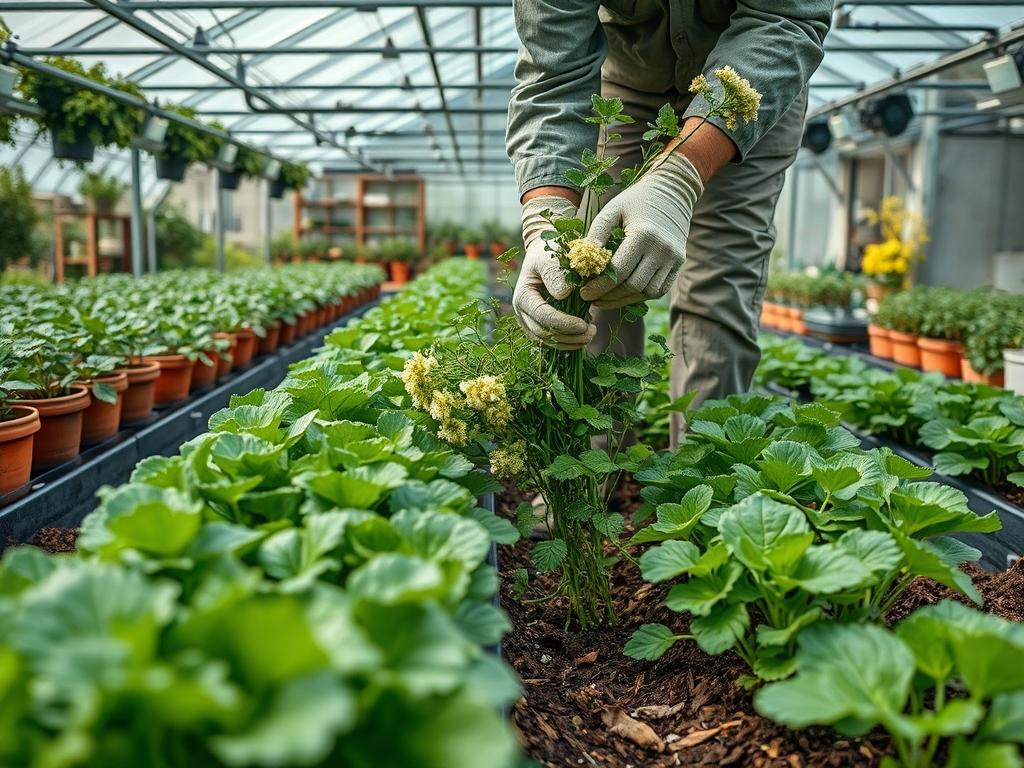
Integrating architectural edibles into a professional landscape design requires a delicate balance between aesthetic structure and functional utility. Many homeowners struggle with the transition between formal ornamental gardens and productive herb plots; they often find that traditional vegetable gardens detract from the overall curb appeal of a property. Lovage, scientifically known as Levisticum officinale, offers a sophisticated solution to this design dilemma. This perennial herb reaches impressive heights, often towering at 6 feet tall, which allows it to serve as a structural anchor in large-scale garden beds. Because it thrives in USDA zones 4 through 8, it is a versatile choice for a wide variety of North American climates. From a landscape architect’s perspective, the primary challenge is positioning this vigorous grower so it does not overwhelm smaller neighboring perennials. When the goal is Picking Fresh Lovage for its intense, celery-like flavor, the plant must be placed in a location that is accessible yet integrated into the broader visual theme of the outdoor environment.
The functionality of the outdoor living space is enhanced when edible plants are treated as part of the permanent framework rather than an afterthought. Lovage provides a lush, deep green foliage that mimics the appearance of large ferns or celery leaves, providing a textural contrast to the fine needles of conifers or the broad, flat leaves of hostas. Its yellow, umbrella-like flower umbels attract beneficial pollinators, which is an essential goal for any sustainable landscape plan. By focusing on both the culinary harvest and the spatial impact, designers can create a garden that satisfies the senses while maintaining high-end property values. The transition from a purely decorative space to a multi-functional landscape occurs through careful site analysis, soil preparation, and the strategic positioning of tall herbaceous perennials like Lovage.
Landscape Design Principles
Successful landscape design relies on the core principles of symmetry, focal points, and elevation layering to create a sense of order and interest. Lovage is particularly valuable for establishing elevation layers in the back of a border or at the center of a circular island bed. Because of its massive scale, it acts as a permanent focal point that returns year after year, reinforcing the architectural bones of the garden. Designers should use symmetry by flanking garden entrances or gates with paired Lovage specimens, provided there is enough space to accommodate their 3-foot spread. This creates a formal, stately appearance that belies the plant’s humble status as a kitchen herb.
Visual balance is achieved by pairing the coarse texture of Lovage with smoother, low-growing groundcovers or well-manicured lawn transitions. It is vital to consider the line and form of the plant; the thick, hollow stems provide a vertical rhythm that can be echoed with hardscaping elements like Wrought Iron Obelisks or Timber Trellises. Irrigation planning must also be integrated into the design layout. Since Lovage prefers consistent moisture to produce the most tender leaves, placing it near the lowest point of a gentle grade, where water naturally lingers, can reduce the need for supplemental watering. Walkway placement is another critical factor. To encourage the habit of Picking Fresh Lovage, the plant should be situated within arm’s reach of a secondary garden path or a dedicated “chef’s walk,” ensuring that harvesting does not require stepping into the mulch and compacting the soil.
Plant and Material Selection
Selecting the right companions and substrate materials is the foundation of a low-maintenance landscape. Lovage thrives in rich, loamy soil, which means the implementation phase must include high-quality organic amendments. Below is a guide for selecting plants and materials that complement the growth habits of this tall perennial.
| Plant Type | Sun Exposure | Soil Needs | Water Demand | Growth Speed | Maintenance Level |
| :— | :— | :— | :— | :— | :— |
| Lovage | Full Sun to Partial Shade | Rich, Humus-Heavy, Moist | Moderate to High | Rapid | Low to Moderate |
| Rosemary | Full Sun | Well-Drained, Sandy | Low | Moderate | Low |
| Yarrow | Full Sun | Average to Lean | Low | Fast | Low |
| Echinacea | Full Sun | Well-Drained, Loamy | Moderate | Moderate | Low |
| River Rock | N/A | Drainage Layer | N/A | Permanent | Very Low |
| Organic Compost | N/A | Soil Amendment | N/A | N/A | Seasonal Application |
When selecting materials for the beds, Hardwood Mulch is preferred over stone for edible zones because it breaks down to feed the soil biology. For the structural elements, Steel Edging provides a clean, modern line that prevents the aggressive roots of Lovage from creeping into the turf.
Implementation Strategy
The transition from a design on paper to a physical landscape requires a systematic strategy. First, site grading is performed to ensure that water moves away from the foundation of the home but remains available to the root zones of the “water-heavy” plants. Once the grade is established, the gardener should focus on the “culinary zone.” Picking Fresh Lovage is most convenient when the plant is located less than 20 feet from the kitchen door.
Start by clearing the area and using a Garden Fork to loosen the soil to a depth of 12 inches. Incorporate at least 3 inches of Organic Compost into the native soil to provide the nitrogen-rich environment that Lovage requires for its rapid foliage growth. Edging should be installed next to define the boundaries of the bed. After planting the Lovage crowns, apply a 2-inch layer of Cedar Mulch or Wood Chips to regulate soil temperature and retain moisture. If the landscape includes hardscaping, such as a Brick Patio or Natural Stone Path, ensure there is a buffer of at least 2 feet between the path and the center of the plant. This prevents the foliage from draping over the walkway and becoming a tripping hazard or becoming damaged by foot traffic.
Common Landscaping Failures
One of the most frequent mistakes in landscape architecture is improper spacing, leading to root overcrowding. Homeowners often plant Lovage too close to other large perennials like Rhubarb or Peonies, resulting in a tangled mass that is difficult to maintain. Overcrowding also limits airflow, which can increase the risk of fungal issues during humid summer months. Another common failure is the lack of proper drainage; while Lovage likes moisture, it will suffer from root rot if left in standing water caused by poor grading or compacted clay soils.
Soil compaction is a hidden killer in many new landscapes. If heavy machinery was used during the construction of a home, the “soil” left behind is often as hard as concrete. Plants in these conditions will struggle to establish deep root systems, leading to stunted growth and poor flavor profiles. Finally, irrigation inefficiencies, such as using overhead sprinklers that wet the foliage in the late evening, can lead to leaf spot or mildew. A Drip Irrigation System is the professional standard for an herb-centric landscape, as it delivers water directly to the roots and keeps the edible leaves dry and clean.
Seasonal Maintenance
Managing a landscape with Lovage requires a seasonal rhythm to ensure both aesthetic beauty and a high-quality harvest. In the spring, maintenance begins by clearing away the dead stalks from the previous year. As the new shoots emerge, apply a Slow-Release Organic Fertilizer to support the massive energy requirements of the plant’s leaf production. This is also the best time to divide the plant if it has become too large for its designated space.
Summer focus shifts to Picking Fresh Lovage. For the best “celery-like” flavor, harvest the young, tender leaves before the plant begins to flower. Once the plant stalks become thick and woody, the flavor can become overly bitter. If you are not keeping the seeds, cut back the flower stalks to encourage the plant to put its energy back into the foliage. In the autumn, after the first hard frost, the plant will turn yellow and collapse. Use Liaison Shears to cut the plant back to 4 inches above the ground. Apply a fresh layer of Mulch to protect the crown during the winter. During the winter months, the landscape relies on its hardscaping and evergreen elements for visual interest, as Lovage goes completely dormant beneath the surface.
Professional Landscaping FAQ
How much space does a single Lovage plant require?
Mature plants generally need a radius of 3 feet. Because they grow so tall, they should be spaced at least 4 feet apart from other large shrubs or perennials to ensure adequate sunlight and air circulation around the base.
When is the optimal time for Picking Fresh Lovage?
Harvesting should occur in the early morning when the oils are most concentrated. Select the vibrant, light green leaves from the middle of the plant. Avoid the oldest, bottom leaves, as they can become tough and pithy in high heat.
Does Lovage require support or staking?
In windy areas, the 6-foot stalks may require support. Use a Heavy-Duty Bamboo Stake or a custom Trellis to prevent the hollow stems from snapping during summer storms. Generally, however, the stalks are quite robust and self-supporting.
Can Lovage grow in a large container?
While possible, it is not ideal due to the massive taproot system. If a container is necessary, use a pot that is at least 20 inches deep and wide. Ensure the container has excellent drainage and is filled with high-quality potting mix.
Is Lovage invasive in a garden setting?
Lovage is not considered invasive because it does not spread via runners. However, it is a prolific self-seeder. To prevent unwanted seedlings from appearing throughout your landscape, remove the flower heads before they have a chance to drop their seeds in the autumn.