
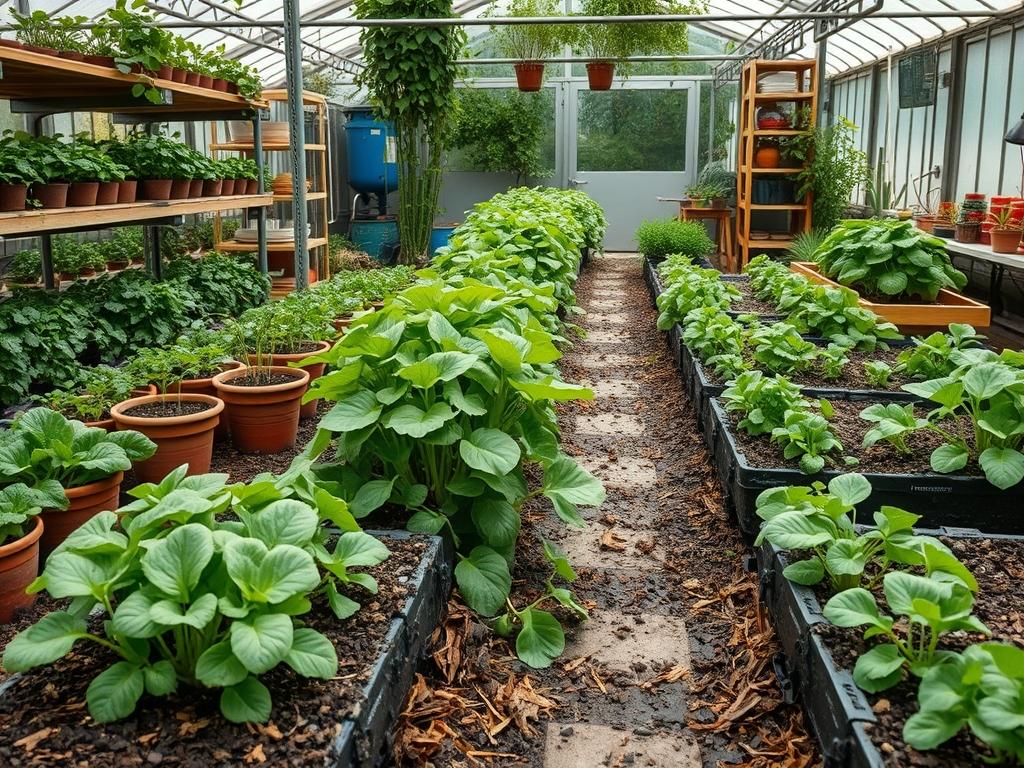
The arrival of early spring signals a critical window for the functional landscape, marking the transition from dormant winter structures to active biological cycles. For the modern estate owner or professional gardener, Harvesting Garden Sorrel during this specific period is not merely a culinary choice; it is a strategic horticultural management task. As a perennial groundcover that thrives in temperate zones, Sorrel serves as one of the first indicators of soil vitality and moisture retention. The landscape architect looks at this plant as a tool for stabilization and early-season texture, but its true value is unlocked when the foliage is young. In the early spring, the leaves are tender and possess a balanced acidity that diminishes once the summer heat triggers bolting. Integrating these edible perennials into a professional landscape design requires an understanding of microclimates, drainage patterns, and the aesthetic balance between utility and curb appeal.
Managing a property for both beauty and harvest necessitates a deep dive into outdoor functionality goals. When we plan these spaces, we consider how early spring harvests interface with the broader infrastructure of the yard. The soil is often at its highest moisture level following the spring thaw, which allows the Sorrel to produce lush, vibrant leaves without the stress of drought. From a landscape consultant’s perspective, this is the ideal time to evaluate the health of the root systems before the heavier growth of late-season ornamental shrubs begins to shade out the understory. A well-designed garden utilizes these early producers to provide visual interest and “green-up” the property before traditional turf grasses have fully emerged from dormancy.
LANDSCAPE DESIGN PRINCIPLES
Effective landscape design relies on the core principles of symmetry, focal points, and elevation layers. When incorporating edible plants like Sorrel into a professional layout, we treat them as structural elements rather than isolated garden patches. Symmetry is achieved by using Red-Veined Sorrel as a repeating border element along structured Walkways or surrounding a central water feature. The contrast between the bright green leaves and the deep maroon veins provides a sophisticated color palette that complements hardscape materials like Bluestone or Granite Pavers.
Focal points are often established using tall, architectural plants or sculptures, but the low-growing habit of Sorrel is perfect for creating a visual “base” that anchors these larger elements. Elevation layering is another critical concept. By placing smaller perennials at the forefront of the design and graduating to mid-sized shrubs and eventually canopy trees, we create a sense of depth and enclosure. This layering also serves a functional purpose; it protects the delicate spring greens from harsh winds and prevents soil erosion around the foundations of Retaining Walls. Furthermore, planning for irrigation is essential. We recommend Drip Irrigation systems that are zoned specifically for the water-intensive needs of leafy greens, ensuring they receive consistent moisture without wasting water on established, drought-tolerant trees.
PLANT AND MATERIAL SELECTION
Selecting the right cultivars and supporting materials is the difference between a thriving landscape and a maintenance nightmare. Below is a professional breakdown of plants that pair effectively with Sorrel in a mixed-use garden environment.
| Plant Type | Sun Exposure | Soil Needs | Water Demand | Growth Speed | Maintenance Level |
| :— | :— | :— | :— | :— | :— |
| French Sorrel | Full Sun to Partial Shade | Rich, Acidic Loam | Moderate to High | Fast | Low |
| Red-Veined Sorrel | Full Sun | Well-Drained | Moderate | Moderate | Moderate |
| Spanish Lavender | Full Sun | Sandy, Alkaline | Low | Moderate | Low |
| Dwarf Boxwood | Part Shade | Neutral | Moderate | Slow | High |
| Creeping Thyme | Full Sun | Rocky, Dry | Low | Moderate | Low |
| Blue Star Creeper | Part Sun | Moist | High | Fast | Moderate |
For the physical infrastructure, use Geotextile Fabric beneath gravel paths to prevent weed intrusion while maintaining proper drainage. When choosing mulch, opt for Double-Shredded Hardwood Mulch or Pine Bark Nuggets to regulate soil temperature. These materials help keep the Sorrel roots cool during unseasonable spring heat spikes, which preserves the quality of the harvest longer into the season.
IMPLEMENTATION STRATEGY
The implementation of a high-end garden layout begins with professional grading. Ensuring that the site slopes away from the home foundation at a minimum of a 2-percent grade prevents water from pooling, which would otherwise rot the crowns of your perennial plants. For the actual planting beds, we recommend a defined edging strategy. Steel Edging or Belgium Block provides a clean, permanent line that separates the lush garden beds from the manicured lawn. This not only increases curb appeal but also simplifies the task of Harvesting Garden Sorrel by keeping the plants accessible and free from encroaching turf grass.
Once the grading is complete, the soil should be amended with organic compost to a depth of 12 inches. When planting, space the Sorrel approximately 18 inches apart to allow for full mature spread and air circulation. Apply a depth of 3 inches of mulch, but be careful to keep it away from the base of the plant stems to prevent fungal rot. For properties with steep elevation changes, use Timber Retaining Walls to create terraced levels. This makes harvesting much easier on the back and allows for different microclimates on each tier. Finally, install a high-quality Timer-Controlled Irrigation System with rain sensors to automate the watering process, ensuring the greens remain succulent and ready for the early spring pick.
COMMON LANDSCAPING FAILURES
One of the most frequent mistakes in backyard planning is a failure to address drainage. If the soil remains saturated for too long, common garden plants will suffer from root asphyxiation. We often see homeowners overlook the importance of a French Drain or a dry creek bed, which are essential for directing runoff during heavy spring rains. Another common issue is root overcrowding. While it is tempting to plant for “instant impact,” ignoring the mature spread of a plant leads to a loss of air circulation. This lack of airflow creates a breeding ground for powdery mildew, which can quickly ruin a crop of Sorrel.
Improper spacing and soil compaction are also significant hurdles. Compaction, often caused by heavy foot traffic or the use of heavy machinery during construction, prevents roots from penetrating the earth and stops water from reaching the root zone. To fix this, we utilize a Core Aerator or add significant amounts of Perlite and organic matter to the soil profile. Lastly, irrigation inefficiencies, such as overhead sprinklers that wet the foliage rather than the roots, can lead to leaf spotting and disease. Transitioning to a sub-surface irrigation model is the professional standard for avoiding these pitfalls.
SEASONAL MAINTENANCE
Landscape management is a year-round commitment. In the spring, the focus is on Harvesting Garden Sorrel, removing winter debris, and checking the integrity of Hardscape joints. This is also the time to apply a slow-release nitrogen fertilizer to encourage foliage growth. As we move into summer, the maintenance shift focuses on deadheading spent blooms and monitoring for pests. If the Sorrel begins to send up flower stalks, they should be cut back immediately with Pruning Shears to direct energy back into leaf production.
In the autumn, the goal is preparation for dormancy. Cut back perennial foliage to 2 inches above the soil line and replenish the mulch layer to protect the roots from the upcoming freeze. This is also the ideal time to plant bulbs like Tulips or Daffodils around your greens for a burst of color the following year. During winter, maintenance is largely observational. Ensure that heavy snow loads are cleared from structural shrubs like Boxwoods and check that decorative pots are not holding standing water that could crack the containers during a freeze. A well-maintained landscape reflects a proactive approach rather than a reactive one.
PROFESSIONAL LANDSCAPING FAQ
What is the best way to prevent Sorrel from bolting?
To prevent bolting, ensure the plant stays hydrated and shaded during unexpected heat. Regularly harvest the outer leaves and prune any emerging flower stalks immediately with Garden Snips to encourage the plant to focus on foliage rather than seed production.
How does soil acidity affect the flavor of garden greens?
Sorrel thrives in slightly acidic soil with a pH between 5.5 and 6.5. Soil that is too alkaline can result in stunted growth and a less vibrant flavor profile. Use Elemental Sulfur to lower the pH if necessary.
Can I use Sorrel as a transition plant between lawn and garden?
Yes, its clump-forming habit makes it an excellent transitional species. Use Steel Edging to create a sharp boundary between the turf and the Sorrel to prevent the two from intermingling, which maintains a clean, professional aesthetic.
What are the signs of poor drainage in a perennial bed?
Yellowing leaves, a sour smell from the soil, and the presence of fungus gnats are classic indicators of poor drainage. To resolve this, install a Gravel Underlayment or increase the elevation of the planting bed with a Stone Border.
Is Red-Veined Sorrel as edible as the common variety?
While Red-Veined Sorrel is often grown for its stunning visual impact in the landscape, it is entirely edible. The flavor is slightly milder than common French Sorrel, making it a perfect addition to both aesthetic garden borders and spring salads.