
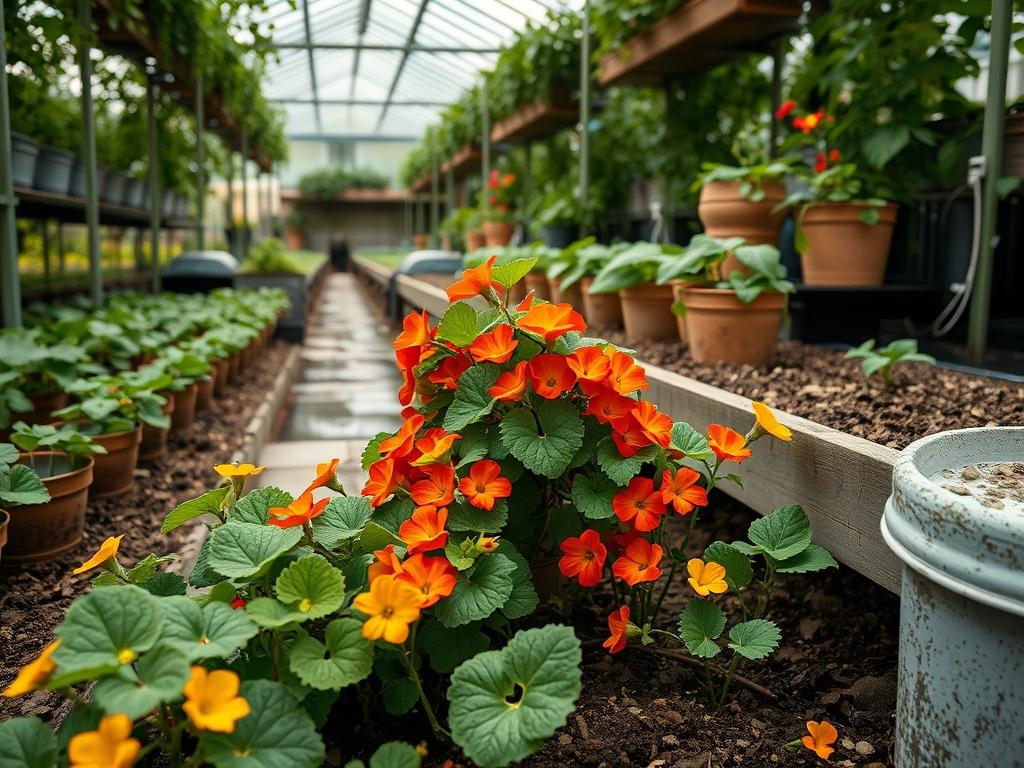
Integrating edible elements into a sophisticated outdoor environment requires a delicate balance between aesthetic design and functional utility. When a client requests a garden that supports the habit of picking fresh nasturtiums for culinary use, the landscape architect must consider more than just simple garden beds. We view the Tropaeolum majus, or common nasturtium, as a versatile tool in the designer’s palette. It serves as a vibrant ground cover, a cascading focal point for retaining walls, and a functional biological control agent. The challenge lies in placing these plants within a climate-appropriate micro-zone that maximizes their peppery flavor while maintaining the property’s curb appeal. A well-designed edible landscape should look intentional even during the peak harvest season. By treating the nasturtium as both a visual asset and a crop, we create a space that satisfies the senses of sight and taste simultaneously. This dual-purpose approach requires careful attention to soil composition, sun exposure, and accessibility, ensuring that the act of harvesting remains a seamless part of the outdoor living experience.
Landscape Design Principles
Successful landscape design relies on the core pillars of symmetry, focal points, and elevation layers. When planning for a harvestable crop like nasturtiums, these principles ensure the garden remains organized and high-performing. Symmetry can be achieved by flanking a stone walkway with identical raised planters, creating a formal entrance that leads to the picking area. Within these planters, the nasturtium acts as a “spiller” in the “thriller, filler, spiller” design hierarchy. By allowing the vines to tumble over the edge of a limestone masonry wall, we introduce a soft, organic texture that contrasts with the rigid lines of the hardscape.
Elevation layers are critical for ease of access. We often design multi-tier garden beds that bring the plants closer to waist height. This elevation prevents the need for excessive bending during the process of picking fresh nasturtiums. Furthermore, the use of focal points, such as a central obelisk or trellis, allows climbing varieties to grow vertically. This verticality increases the surface area for flower production and creates a stunning visual anchor in the backyard. Irrigation planning must also be integrated into the design. We recommend a drip irrigation system tucked beneath a layer of hardwood mulch. This delivery method ensures that moisture reaches the root zone without wetting the foliage, which can lead to fungal issues and detract from the quality of the edible leaves.
Plant and Material Selection
Selecting the right variety and supporting materials is the foundation of a productive edible landscape. The following table outlines the specifications for common nasturtium varieties and their environmental requirements.
| Plant Type | Sun Exposure | Soil Needs | Water Demand | Growth Speed | Maintenance Level |
| :— | :— | :— | :— | :— | :— |
| Trailing Nasturtium | Full Sun | Poor to Average | Moderate | Fast | Low |
| Bush/Dwarf Nasturtium | Full Sun to Part Shade | Well-Drained | Moderate | Medium | Low |
| Whirlybird Series | Full Sun | Sandy/Loamy | Low to Moderate | Medium | Low |
| Jewel Mix | Full Sun | Low Nitrogen | Moderate | Fast | Low |
| Empress of India | Full Sun | Poor Quality | Moderate | Medium | Low |
Implementation Strategy
A professional landscape implementation begins with site preparation. First, we address the grading of the land to ensure that water moves away from the foundation of the home and toward the designated planting zones. For nasturtiums, a slight 2 percent grade is often ideal to prevent root rot while maintaining hydration. Once the grade is established, we define the borders using steel edging or Belgian block to create a crisp transition between the turf and the garden beds.
The soil preparation for nasturtiums is counterintuitive to traditional gardening. These plants thrive in “lean” soil. Adding too much compost or high-nitrogen fertilizer will result in lush, green foliage but very few flowers. To achieve the best results for picking fresh nasturtiums, we mix the existing soil with coarse sand and perlite to improve macro-porosity. This ensures that the drainage is rapid. When planting, space the seeds or starts exactly 10 inches to 12 inches apart. This spacing allows for adequate airflow, which is the primary defense against aphids and whiteflies. After the plants are established, apply a 2 inch layer of shredded cedar mulch to regulate soil temperature and suppress weeds. This clean surface also keeps the lower leaves and flowers pristine for picking, preventing soil splash during rain events.
Common Landscaping Failures
The most frequent failure in edible landscaping is the over-saturation of the soil. Inadequate drainage management can lead to anaerobic conditions where roots cannot breathe. If the site has heavy clay, we must install a French drain or create raised mounds using a sandy loam mix to elevate the root ball above the water table. Another common mistake is root overcrowding. While the visual of a dense mat of flowers is appealing, overcrowding leads to smaller leaves and more bitter, stressed flowers. Professional spacing is mandatory for a high-quality harvest.
Irrigation inefficiency is a silent killer of curb appeal. Spray heads that hit the flowers directly can bruise the delicate petals, making them unsuitable for the kitchen. We prefer a low-volume emitter system that provides consistent moisture without damaging the aerial parts of the plant. Finally, soil compaction caused by foot traffic near the picking zones can stunt growth. We always design a secondary flagstone path or stepping stone circuit within the beds. This allows the homeowner to move through the garden for picking fresh nasturtiums without compressing the soil structure, ensuring the longevity of the landscape.
Seasonal Maintenance
Landscape management is a year-round commitment. In the spring, the focus is on clearing the previous year’s debris and testing the soil pH. Nasturtiums prefer a neutral range between 6.0 and 7.5. If the soil is too acidic, a light application of garden lime may be necessary. As the weather warms, we monitor the automatic irrigation clock to increase frequency, especially as the plants enter their rapid growth phase in late spring and early summer.
During the peak summer months, picking fresh nasturtiums acts as a form of pruning. Regular harvesting of the flowers and leaves encourages the plant to produce more growth. It is essential to “deadhead” any spent blooms that were not picked for salads; this prevents the plant from putting its energy into seed production. In autumn, as the first frost approaches, the plants will begin to decline. This is the time to harvest the seed pods, which can be pickled like capers. Once the vines have succumbed to the cold, they should be removed and added to a compost pile. In winter, the landscape architect focuses on the hardscape. We inspect retaining walls and pavers for shifting caused by freeze-thaw cycles, ensuring the structural integrity of the garden remains intact for the next planting season.
Professional Landscaping FAQ
What is the best time of day for picking fresh nasturtiums?
The optimal time for harvesting is the early morning, just after the dew has dried but before the sun is at its peak. This ensures the plant tissues are fully hydrated, providing a crisp texture and the brightest peppery flavor.
Can I grow nasturtiums in high-quality potting soil?
While they will grow, standard potting soil often contains too much nitrogen. This leads to massive leaf production that hides the flowers. Mix your potting soil with coarse sand to create the lean environment these plants prefer for flowering.
How do I prevent aphids without using harsh chemicals on my food?
Utilize a strong stream of water from a garden hose to physically dislodge them. Additionally, nasturtiums act as a “trap crop,” drawing aphids away from other vegetables. Planting marigolds nearby can also provide a natural deterrent within the landscape.
Which part of the nasturtium is best for spicy salads?
Both the leaves and the flowers are edible. The smaller, younger leaves tend to be more tender and have a milder spice, while the larger leaves and the brightly colored flowers provide a much stronger, mustard-like heat to the dish.
Do nasturtiums require a trellis for a clean harvest?
While trailing varieties can grow on the ground, a vertical trellis or lattice keeps the flowers away from soil and pests. This results in a much cleaner product for the kitchen and adds valuable height to your landscape design.